




Filters
SORT
Product Availability –
Brand –
Product Type –
Capacity –
Review Score –
 --%3E %3Csvg version='1.1' id='Fill' xmlns='http://www.w3.org/2000/svg' xmlns:xlink='http://www.w3.org/1999/xlink' x='0px' y='0px' viewBox='0 0 100 100' enable-background='new 0 0 100 100' xml:space='preserve'%3E %3Cpath fill='%23F15C02' d='M79.44,0.95H20.56C9.78,0.95,0.95,9.78,0.95,20.56v58.87c0,10.79,8.82,19.61,19.61,19.61h58.87 c10.79,0,19.61-8.83,19.61-19.61V20.56C99.05,9.78,90.22,0.95,79.44,0.95z M65.38,58.24l9.38,29.58L49.69,69.78L24.5,87.82 l9.34-29.6L8.8,39.6l30.73-0.17c0,0,6.98-19.61,10-28.93c0.54,1.36,9.88,29.1,9.88,29.1H91.2L65.38,58.24z'/%3E %3C/svg%3E)
 --%3E %3Csvg version='1.1' id='With-RB' xmlns='http://www.w3.org/2000/svg' xmlns:xlink='http://www.w3.org/1999/xlink' x='0px' y='0px' viewBox='0 0 100 100' enable-background='new 0 0 100 100' xml:space='preserve'%3E %3Cpath fill='%23FBC8B4' d='M79.44,0.95H20.56C9.78,0.95,0.95,9.78,0.95,20.56v58.87c0,10.79,8.82,19.61,19.61,19.61h58.87 c10.79,0,19.61-8.83,19.61-19.61V20.56C99.05,9.78,90.22,0.95,79.44,0.95z M65.38,58.24l9.38,29.58L49.69,69.78L24.5,87.82 l9.34-29.6L8.8,39.6l30.73-0.17c0,0,6.98-19.61,10-28.93c0.54,1.36,9.88,29.1,9.88,29.1H91.2L65.38,58.24z'/%3E %3C/svg%3E)
Price Range –
Pipe Vises




 --%3E %3Csvg version='1.1' id='Half' xmlns='http://www.w3.org/2000/svg' xmlns:xlink='http://www.w3.org/1999/xlink' x='0px' y='0px' viewBox='0 0 100 100' enable-background='new 0 0 100 100' xml:space='preserve'%3E %3Cg%3E %3Cpath fill='%23F15C02' d='M30.05,70.23l3.79-12.01L8.8,39.6l30.73-0.17c0,0,6.98-19.61,10-28.93c0.54,1.36,9.88,29.1,9.88,29.1h1.58 L93.71,7.18c-3.58-3.82-8.66-6.23-14.28-6.23H20.56C9.78,0.95,0.95,9.78,0.95,20.56v58.87c0,5.41,2.22,10.32,5.79,13.88 L30.05,70.23z'/%3E %3C/g%3E %3Cpath fill='%23FBC8B4' d='M93.71,7.18L60.98,39.6H91.2L65.38,58.24l9.38,29.58L49.69,69.78L24.5,87.82l5.55-17.59L6.75,93.32 c3.55,3.54,8.44,5.73,13.82,5.73h58.87c10.79,0,19.61-8.83,19.61-19.61V20.56C99.05,15.4,97.01,10.69,93.71,7.18z'/%3E %3C/svg%3E)


 --%3E %3Csvg version='1.1' id='No-RB' xmlns='http://www.w3.org/2000/svg' xmlns:xlink='http://www.w3.org/1999/xlink' x='0px' y='0px' viewBox='0 0 100 100' enable-background='new 0 0 100 100' xml:space='preserve'%3E %3Cpath fill='%23CECECE' d='M79.44,0.95H20.56C9.78,0.95,0.95,9.78,0.95,20.56v58.87c0,10.79,8.82,19.61,19.61,19.61h58.87 c10.79,0,19.61-8.83,19.61-19.61V20.56C99.05,9.78,90.22,0.95,79.44,0.95z M65.38,58.24l9.38,29.58L49.69,69.78L24.5,87.82 l9.34-29.6L8.8,39.6l30.73-0.17c0,0,6.98-19.61,10-28.93c0.54,1.36,9.88,29.1,9.88,29.1H91.2L65.38,58.24z'/%3E %3C/svg%3E)


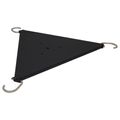





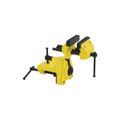


Pipe vises are clamping tools that hold round pipe and tubing stationary so a plumber or pipefitter can thread, cut, ream, or join it without the stock twisting or slipping mid-cut. A set of hardened jaws closes around the pipe from opposing sides, distributing grip pressure evenly enough to hold steel, copper, or plastic pipe without denting soft-walled tubing when the jaws are matched to the material. Bench-mounted chain vises and yoke vises are the two most common styles seen in a plumbing shop, each built to bolt or clamp onto a workbench so the tool itself doesn't move under load. A secure vise matters most when threading pipe by hand or with a power threader, since any movement in the workpiece during that operation produces uneven, leak-prone threads. Picking a vise sized and styled for the pipe diameters a crew actually runs keeps prep work fast and the finished joints reliable.
Subcategories
- Chain Vises: Chain vises use a length of hardened chain wrapped around the pipe and cinched tight against a set of jaws, which lets one vise body accommodate a wide range of pipe diameters without swapping jaw inserts. Plumbers favor them on job sites and in shops that cut and thread many different pipe sizes in a single day. The chain design also makes it easier to clamp irregular or previously threaded sections without the jaws catching on existing threads. Bench-mounted chain vises typically bolt directly to a workbench or pipe stand for stability under threading loads.
- Yoke Vises: Yoke vises clamp pipe between two fixed jaw plates using a screw-driven yoke, giving a rigid, high-clamping-force grip well suited to heavier steel pipe and repetitive production threading. They hold their setting more consistently than a chain vise when the same pipe diameter is run repeatedly, which speeds up shop work on standard sizes. Yoke vises are common on stationary pipe-threading machines and dedicated fabrication benches rather than portable job-site kits. Jaw inserts are typically replaceable as they wear from repeated clamping.
- Portable and Tripod-Mount Vises: Tripod-mount and portable vises attach to a folding stand or tripod base so a crew can set up a secure clamping point away from a fixed bench, which matters on new construction or remodel jobs without an established shop area. They fold down for transport in a service truck and set up in a few minutes at a work location. Weight capacity and stability drop compared with a bolted bench vise, so these units suit lighter-duty field cutting and threading rather than heavy production work. Matching the stand's footprint to the working surface keeps the setup from tipping under load.
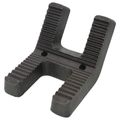
- Vise Jaws and Replacement Inserts: Replacement jaw inserts let a crew restore grip on a vise once the original teeth wear smooth from repeated clamping, without buying a whole new vise body. Inserts are sized and toothed to match specific vise models and pipe materials, since a jaw pattern cut for steel pipe can mar softer copper or plastic stock. Keeping a spare set on hand avoids downtime when a heavily used shop vise starts slipping. Swapping inserts is usually a simple bolt-on replacement rather than a full teardown.
Buying Guide
Choosing a pipe vise starts with matching its jaw capacity to the range of pipe diameters a crew actually works with, since a vise built for small-diameter copper won't securely hold larger steel pipe and vice versa. Chain vises offer the broadest diameter range from a single tool, which suits shops and service trucks that handle mixed pipe sizes on a regular basis, while yoke vises deliver a more rigid, repeatable clamp better suited to high-volume threading of a narrower size range. Where the vise will be used matters just as much as what it holds: a bench-mounted unit anchored to a fixed shop table won't work for a crew that needs to set up clamping points at different job sites, which is where a tripod or stand-mounted portable vise earns its place in the truck. Jaw material and tooth pattern also need to fit the pipe being clamped, since aggressive teeth cut for gripping steel can scar the softer wall of copper or plastic pipe if the wrong jaw insert gets used. Buyers replacing an aging vise should check whether the jaw inserts are sold separately and remain available for that model, since a vise with discontinued replacement jaws effectively becomes disposable once its teeth wear out. Considering how the vise mounts, whether bolted, clamped, or tripod-based, alongside the pipe sizes and materials it needs to handle keeps a pipe vise purchase matched to the actual work in front of a crew rather than a generic all-purpose pick.
Frequently Asked Questions
What's the difference between a chain vise and a yoke vise?
A chain vise wraps a hardened chain around the pipe and cinches it against a jaw, allowing one tool to handle a wide range of diameters without swapping parts. A yoke vise instead clamps pipe between two fixed jaw plates driven by a screw mechanism, giving a more rigid hold but typically covering a narrower diameter range per jaw set. Shops running mixed pipe sizes often prefer a chain vise for its flexibility, while dedicated threading setups favor the repeatable grip of a yoke vise. Either style needs jaw inserts matched to the pipe material being clamped.
Can a pipe vise damage soft-walled copper or plastic pipe?
Yes, a jaw pattern cut with aggressive teeth for gripping steel pipe can mar, dent, or crush the thinner wall of copper or plastic pipe if it's the wrong insert for the material. Vise manufacturers typically offer jaw inserts specifically designed for softer pipe materials that distribute clamping pressure more gently. Checking that the jaw insert matches the pipe material before clamping avoids leaving marks that could weaken a fitting joint later. Some crews keep a separate set of soft jaws just for copper and plastic work.
Do pipe vises need to be bolted to a workbench?
Bench-mounted chain and yoke vises are generally most stable when bolted or securely clamped to a fixed workbench, since any movement in the vise body during threading throws off the cut. Portable tripod or stand-mount vises are built as an alternative for job sites without a fixed bench, trading some rigidity for the ability to set up anywhere. Whether a vise needs bolting depends on the model and how heavy the threading or cutting load will be. Matching the mounting style to the work location keeps the setup stable either way.
How do I know when to replace pipe vise jaws?
Worn jaws typically show smoothed-down or rounded teeth that no longer bite into the pipe surface, which shows up as the pipe slipping or spinning under load during cutting or threading. Continuing to use worn jaws increases the risk of an uneven cut or thread from pipe movement mid-operation. Most vise manufacturers sell replacement jaw inserts sized to specific models, so a worn vise usually doesn't need full replacement. Checking jaw condition periodically, especially on a heavily used shop vise, catches wear before it causes a bad cut.
What pipe vise style works best for a service truck?
Portable tripod or stand-mounted vises are generally the better fit for a service truck, since they fold down for transport and set up quickly at a job site without a fixed workbench. A chain-style jaw on a portable vise also covers a wider range of pipe diameters from one tool, which matters when a crew doesn't know exactly what size pipe a call will involve. These units trade some rigidity and load capacity compared with a bolted shop vise, so they suit field cutting and threading rather than high-volume production work. Folding stands should be checked for a stable footprint on uneven job-site flooring.
