




Filters
SORT
Product Availability –
Brand –
Finish –
Size –
Review Score –
 --%3E %3Csvg version='1.1' id='Fill' xmlns='http://www.w3.org/2000/svg' xmlns:xlink='http://www.w3.org/1999/xlink' x='0px' y='0px' viewBox='0 0 100 100' enable-background='new 0 0 100 100' xml:space='preserve'%3E %3Cpath fill='%23F15C02' d='M79.44,0.95H20.56C9.78,0.95,0.95,9.78,0.95,20.56v58.87c0,10.79,8.82,19.61,19.61,19.61h58.87 c10.79,0,19.61-8.83,19.61-19.61V20.56C99.05,9.78,90.22,0.95,79.44,0.95z M65.38,58.24l9.38,29.58L49.69,69.78L24.5,87.82 l9.34-29.6L8.8,39.6l30.73-0.17c0,0,6.98-19.61,10-28.93c0.54,1.36,9.88,29.1,9.88,29.1H91.2L65.38,58.24z'/%3E %3C/svg%3E)
 --%3E %3Csvg version='1.1' id='With-RB' xmlns='http://www.w3.org/2000/svg' xmlns:xlink='http://www.w3.org/1999/xlink' x='0px' y='0px' viewBox='0 0 100 100' enable-background='new 0 0 100 100' xml:space='preserve'%3E %3Cpath fill='%23FBC8B4' d='M79.44,0.95H20.56C9.78,0.95,0.95,9.78,0.95,20.56v58.87c0,10.79,8.82,19.61,19.61,19.61h58.87 c10.79,0,19.61-8.83,19.61-19.61V20.56C99.05,9.78,90.22,0.95,79.44,0.95z M65.38,58.24l9.38,29.58L49.69,69.78L24.5,87.82 l9.34-29.6L8.8,39.6l30.73-0.17c0,0,6.98-19.61,10-28.93c0.54,1.36,9.88,29.1,9.88,29.1H91.2L65.38,58.24z'/%3E %3C/svg%3E)
Price Range –
Cleanouts and Cleanout Covers

 --%3E %3Csvg version='1.1' id='No-RB' xmlns='http://www.w3.org/2000/svg' xmlns:xlink='http://www.w3.org/1999/xlink' x='0px' y='0px' viewBox='0 0 100 100' enable-background='new 0 0 100 100' xml:space='preserve'%3E %3Cpath fill='%23CECECE' d='M79.44,0.95H20.56C9.78,0.95,0.95,9.78,0.95,20.56v58.87c0,10.79,8.82,19.61,19.61,19.61h58.87 c10.79,0,19.61-8.83,19.61-19.61V20.56C99.05,9.78,90.22,0.95,79.44,0.95z M65.38,58.24l9.38,29.58L49.69,69.78L24.5,87.82 l9.34-29.6L8.8,39.6l30.73-0.17c0,0,6.98-19.61,10-28.93c0.54,1.36,9.88,29.1,9.88,29.1H91.2L65.38,58.24z'/%3E %3C/svg%3E)

 --%3E %3Csvg version='1.1' id='Half' xmlns='http://www.w3.org/2000/svg' xmlns:xlink='http://www.w3.org/1999/xlink' x='0px' y='0px' viewBox='0 0 100 100' enable-background='new 0 0 100 100' xml:space='preserve'%3E %3Cg%3E %3Cpath fill='%23F15C02' d='M30.05,70.23l3.79-12.01L8.8,39.6l30.73-0.17c0,0,6.98-19.61,10-28.93c0.54,1.36,9.88,29.1,9.88,29.1h1.58 L93.71,7.18c-3.58-3.82-8.66-6.23-14.28-6.23H20.56C9.78,0.95,0.95,9.78,0.95,20.56v58.87c0,5.41,2.22,10.32,5.79,13.88 L30.05,70.23z'/%3E %3C/g%3E %3Cpath fill='%23FBC8B4' d='M93.71,7.18L60.98,39.6H91.2L65.38,58.24l9.38,29.58L49.69,69.78L24.5,87.82l5.55-17.59L6.75,93.32 c3.55,3.54,8.44,5.73,13.82,5.73h58.87c10.79,0,19.61-8.83,19.61-19.61V20.56C99.05,15.4,97.01,10.69,93.71,7.18z'/%3E %3C/svg%3E)

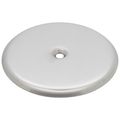
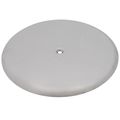
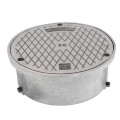
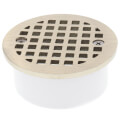
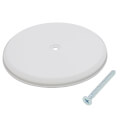
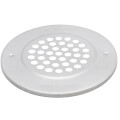
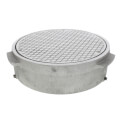
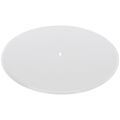
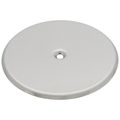
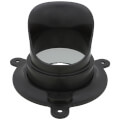
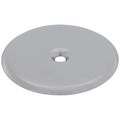
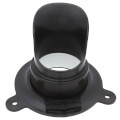
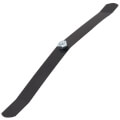
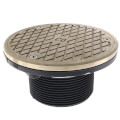

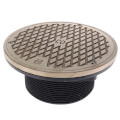
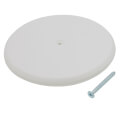
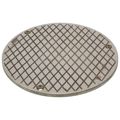
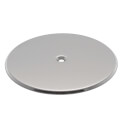
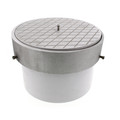
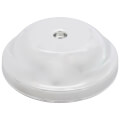
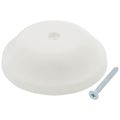
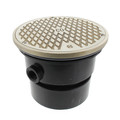
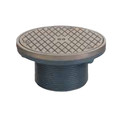
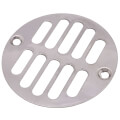
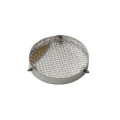
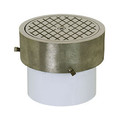
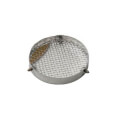
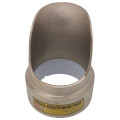
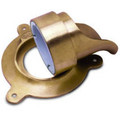

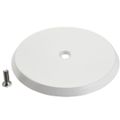

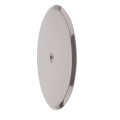
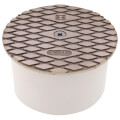
Cleanouts and cleanout covers are access fittings installed in a drain, waste, or vent line that let a plumber reach the pipe interior for clearing clogs and performing routine inspection without cutting into the line. A cleanout typically consists of a threaded fitting installed at a branch, a change in direction, or the base of a stack, capped with a removable plug that can be unscrewed when access is needed. Cleanout covers finish the installation where a cleanout terminates at a floor, wall, or exterior grade, concealing the fitting while still allowing quick access. Plumbing code generally requires cleanouts at specific intervals along horizontal drain runs and at the base of vertical stacks, since a line without periodic access points makes clearing a blockage far more disruptive. Contractors installing new drainage systems or repairing existing ones plan cleanout placement early, since retrofitting access into a finished wall or floor after the fact is considerably more work than including it during rough-in.
Subcategories
- Cleanout Plugs and Fittings: Cleanout plugs thread into a cleanout tee or fitting and seal the access point when it is not in use, while the fitting itself provides the branch connection into the main drain line. Plumbers select plug material, typically brass or plastic, based on the pipe material and local code requirements for the specific application. A properly seated plug prevents sewer gas from entering the building while still allowing removal when access is needed. These fittings are installed during rough-in at code-required intervals along the drainage system.
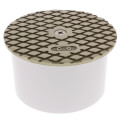
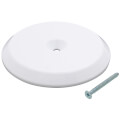
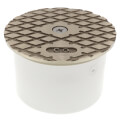
- Floor and Wall Access Covers: Floor and wall access covers conceal a cleanout where it terminates at a finished surface, providing a neat appearance while still allowing the cover to be removed for access. Covers come in round and square profiles and various finishes to match different flooring and wall materials. Selecting a cover rated for the expected foot traffic matters in commercial settings, where a lightweight residential cover could crack or deform under repeated use. Matching the cover diameter to the cleanout fitting underneath ensures a secure, properly seated fit.
- Exterior Cleanout Boxes: Exterior cleanout boxes protect a cleanout access point where a main sewer line reaches grade outside a building, shielding the fitting from lawn equipment, vehicle traffic, and general weather exposure. These boxes typically sit at or near ground level with a lid that can be removed for access by a plumber or drain service technician. Selecting a box rated for the expected load, particularly in a driveway or parking area, prevents the box from cracking under vehicle weight. Regular exterior cleanout access is often the starting point for sewer line inspection or clearing service.
- Test Tees and Combination Fittings: Test tees combine a cleanout access point with a branch or transition fitting, commonly used where code requires both a directional change and an access point in the same section of pipe. This combination reduces the number of separate fittings needed in a tight run while still meeting cleanout spacing requirements. Plumbers use these fittings particularly at the base of stacks and at points where horizontal and vertical runs meet. Confirming the fitting's pipe size and material match the surrounding drainage system avoids a compatibility issue during rough-in.
Buying Guide
Selecting the right cleanout starts with confirming the pipe material and size of the drain line it will connect to, since cleanout fittings and plugs are made to match specific pipe types such as PVC, ABS, or cast iron, and mixing materials without the correct transition fitting can create a weak point in the line. Local plumbing code should also be checked for required cleanout spacing and placement, since these requirements vary by jurisdiction and by whether the run is horizontal or vertical.
Where the cleanout will terminate drives the choice of cover or box. A cleanout ending inside a finished space needs a floor or wall access cover selected for the surrounding material and expected foot traffic, while one terminating outside at grade needs an exterior box rated for the loads it will see, whether that is foot traffic, lawn equipment, or vehicle weight in a driveway. Choosing a cover or box that is too lightweight for its location risks cracking or displacement over time.
Material selection for the plug itself, typically brass or plastic, should follow both the pipe material and any local code preferences, since some jurisdictions specify particular materials for certain applications. Considering long-term serviceability during planning, rather than treating a cleanout as an afterthought once the drain layout is finalized, keeps future access straightforward and avoids the need to cut into a finished wall or floor down the line.
Frequently Asked Questions
Why does plumbing code require cleanouts at specific intervals?
Cleanouts give a plumber access to clear a blockage without cutting into the drain line, and code requires them at regular intervals so that no section of pipe becomes difficult to reach if a clog develops. Requirements vary by jurisdiction but generally apply to both horizontal runs and the base of vertical stacks. Skipping required cleanouts during installation can create access problems that are expensive to correct later.
What is the difference between a cleanout plug and a cleanout cover?
A cleanout plug threads directly into the pipe fitting to seal the access point and prevent sewer gas from escaping, while a cleanout cover conceals the fitting at a finished floor, wall, or exterior grade for appearance and protection. Both are needed together in most finished installations. The cover can typically be removed without disturbing the plug underneath unless full access to the pipe is required.
Should a cleanout plug be brass or plastic?
The choice generally follows the pipe material it connects to and any local code preferences, with brass commonly used for cast iron systems and plastic commonly used for PVC or ABS systems. Some jurisdictions have specific requirements for certain applications, so checking local code before selecting plug material is a good practice. Matching the plug to the surrounding pipe material helps maintain a proper seal.
Can a cleanout be added to an existing drain line that does not have one?
Yes, though it typically requires cutting into the existing pipe to install a cleanout tee or fitting where none currently exists. This is more involved than including a cleanout during original rough-in, particularly if the line is behind a finished wall or floor. Planning cleanout locations during initial installation avoids this more disruptive retrofit later.
What rating should an exterior cleanout box have if it is located in a driveway?
An exterior cleanout box located where vehicles will drive over it needs to be rated for that load, since a lightweight box designed for foot traffic only can crack or collapse under a vehicle's weight. Selecting a box specifically rated for traffic loads in this location prevents damage to both the box and the cleanout access underneath. Confirming the expected use of the area before installation guides this choice.
