



Filters
SORT
Product Availability –
Category –
Duct Size –
Max Airflow (CFM) –
Min Airflow (CFM) –
Review Score –
 --%3E %3Csvg version='1.1' id='Fill' xmlns='http://www.w3.org/2000/svg' xmlns:xlink='http://www.w3.org/1999/xlink' x='0px' y='0px' viewBox='0 0 100 100' enable-background='new 0 0 100 100' xml:space='preserve'%3E %3Cpath fill='%23F15C02' d='M79.44,0.95H20.56C9.78,0.95,0.95,9.78,0.95,20.56v58.87c0,10.79,8.82,19.61,19.61,19.61h58.87 c10.79,0,19.61-8.83,19.61-19.61V20.56C99.05,9.78,90.22,0.95,79.44,0.95z M65.38,58.24l9.38,29.58L49.69,69.78L24.5,87.82 l9.34-29.6L8.8,39.6l30.73-0.17c0,0,6.98-19.61,10-28.93c0.54,1.36,9.88,29.1,9.88,29.1H91.2L65.38,58.24z'/%3E %3C/svg%3E)
 --%3E %3Csvg version='1.1' id='With-RB' xmlns='http://www.w3.org/2000/svg' xmlns:xlink='http://www.w3.org/1999/xlink' x='0px' y='0px' viewBox='0 0 100 100' enable-background='new 0 0 100 100' xml:space='preserve'%3E %3Cpath fill='%23FBC8B4' d='M79.44,0.95H20.56C9.78,0.95,0.95,9.78,0.95,20.56v58.87c0,10.79,8.82,19.61,19.61,19.61h58.87 c10.79,0,19.61-8.83,19.61-19.61V20.56C99.05,9.78,90.22,0.95,79.44,0.95z M65.38,58.24l9.38,29.58L49.69,69.78L24.5,87.82 l9.34-29.6L8.8,39.6l30.73-0.17c0,0,6.98-19.61,10-28.93c0.54,1.36,9.88,29.1,9.88,29.1H91.2L65.38,58.24z'/%3E %3C/svg%3E)
Price Range –
Fantech Ventilation Fans

 --%3E %3Csvg version='1.1' id='No-RB' xmlns='http://www.w3.org/2000/svg' xmlns:xlink='http://www.w3.org/1999/xlink' x='0px' y='0px' viewBox='0 0 100 100' enable-background='new 0 0 100 100' xml:space='preserve'%3E %3Cpath fill='%23CECECE' d='M79.44,0.95H20.56C9.78,0.95,0.95,9.78,0.95,20.56v58.87c0,10.79,8.82,19.61,19.61,19.61h58.87 c10.79,0,19.61-8.83,19.61-19.61V20.56C99.05,9.78,90.22,0.95,79.44,0.95z M65.38,58.24l9.38,29.58L49.69,69.78L24.5,87.82 l9.34-29.6L8.8,39.6l30.73-0.17c0,0,6.98-19.61,10-28.93c0.54,1.36,9.88,29.1,9.88,29.1H91.2L65.38,58.24z'/%3E %3C/svg%3E)



 --%3E %3Csvg version='1.1' id='Half' xmlns='http://www.w3.org/2000/svg' xmlns:xlink='http://www.w3.org/1999/xlink' x='0px' y='0px' viewBox='0 0 100 100' enable-background='new 0 0 100 100' xml:space='preserve'%3E %3Cg%3E %3Cpath fill='%23F15C02' d='M30.05,70.23l3.79-12.01L8.8,39.6l30.73-0.17c0,0,6.98-19.61,10-28.93c0.54,1.36,9.88,29.1,9.88,29.1h1.58 L93.71,7.18c-3.58-3.82-8.66-6.23-14.28-6.23H20.56C9.78,0.95,0.95,9.78,0.95,20.56v58.87c0,5.41,2.22,10.32,5.79,13.88 L30.05,70.23z'/%3E %3C/g%3E %3Cpath fill='%23FBC8B4' d='M93.71,7.18L60.98,39.6H91.2L65.38,58.24l9.38,29.58L49.69,69.78L24.5,87.82l5.55-17.59L6.75,93.32 c3.55,3.54,8.44,5.73,13.82,5.73h58.87c10.79,0,19.61-8.83,19.61-19.61V20.56C99.05,15.4,97.01,10.69,93.71,7.18z'/%3E %3C/svg%3E)
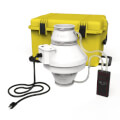

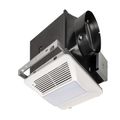

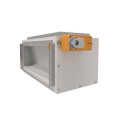
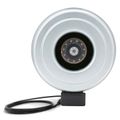
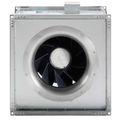
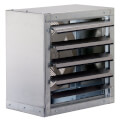


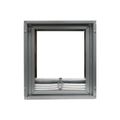
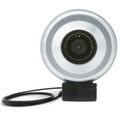


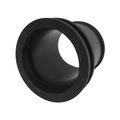
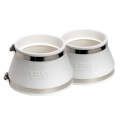
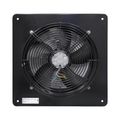

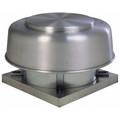
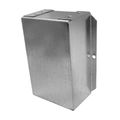

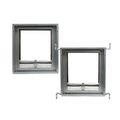

Fantech ventilation fans deliver reliable airflow management for residential and commercial spaces. Inline duct fans, axial units, and energy recovery ventilators (ERV) keep air moving, remove stale air, and maintain indoor air quality without excess noise.
Why Choose Fantech Ventilation Fans
- Precision airflow: Engineered impellers and motors deliver consistent CFM across duct runs.
- Energy recovery options: ERV and HRV units reclaim heat or coolness to reduce HVAC load.
- Quiet performance: Advanced acoustic insulation keeps noise levels low in living and working areas.
- Durable construction: Corrosion-resistant housings and sealed motors stand up to tough environments.
Types of Fantech Ventilation Fans
- Inline Duct Fans – Compact units that install within ductwork to boost airflow for bathrooms, kitchens, and laundry rooms.
- Axial Fans – High-velocity fans for roof or wall mounting, ideal for attic exhaust and garage ventilation.
- Energy Recovery Ventilators – ERV units exchange stale indoor air with fresh outdoor air while transferring heat and humidity.
- Heat Recovery Ventilators – HRV systems balance ventilation with heat exchange to maintain comfortable indoor temperatures.
- Ceiling-Mounted Bathroom Fans – Quiet, efficient fans with optional LED lighting and humidity sensors.
Selecting the Right Fan
- Determine airflow requirement: Calculate CFM based on room size and application (bathroom, kitchen, whole-house).
- Choose duct size: Match fan inlet/outlet diameter to existing ductwork for optimal performance.
- Consider sound rating: Review sone levels to select models suitable for living spaces.
- Decide on control options: Integrate timers, humidity sensors, or variable speed controllers.
Installation Tips
- Secure inline fans on vibration isolators to minimize noise transmission through ducts.
- Maintain straight duct runs with minimal bends to preserve fan efficiency.
- Install weatherproof roof caps or wall hoods for exterior axial fans.
- Make proper electrical connections to dedicated circuits and follow local code for ventilation circuits.
Maintenance Best Practices
- Clean impellers and housings periodically to prevent dust buildup and airflow restriction.
- Inspect fan bearings and motor mounts annually for wear and vibration.
- Check ERV/HRV core filters quarterly and replace as recommended to maintain efficiency.
- Verify control settings and test variable speed functions to ensure balanced ventilation.
FAQs about Fantech Ventilation Fans
What is an ERV and when should it be used?
An ERV (Energy Recovery Ventilator) exchanges indoor and outdoor air while transferring heat and humidity, ideal for balanced ventilation in moderate climates.
How is a duct booster fan different from an inline fan?
Duct booster fans install inside duct runs to increase flow in specific zones, whereas inline fans serve as primary exhaust or supply fans in larger systems.
Can Fantech fans be connected to smart home systems?
Many Fantech fans and controllers support integration with home automation platforms via voltage or dry-contact controls.
How quiet are Fantech inline fans?
Sound levels range from 0.5 to 2.5 sones; models with insulated housings operate at the lower end suitable for bedrooms and living areas.
What maintenance does an HRV require?
HRV units need quarterly core filter cleaning and biannual core inspections to maintain heat exchange efficiency and indoor air quality.
