




Plumbing Supplies
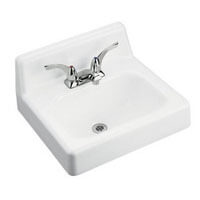
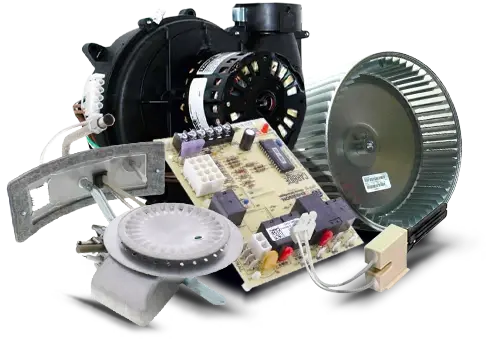
Plumbing supplies are the pipe, fittings, fixtures, and mechanical components that make up a building's water supply, drainage, and venting systems. The category covers everything from rough-in materials like pipe and fittings to finished fixtures such as sinks, faucets, and water heaters. It also includes the specialty parts and tools plumbers rely on to complete a job. Residential and commercial contractors alike draw from this range daily, whether they're roughing in a new construction job, replacing a failed water heater, or repairing a leaking supply line.
Choosing the right plumbing supplies affects both the speed of installation and the long-term reliability of the system. A plumber weighing PEX against copper is balancing material cost, labor time, and how the finished system will perform under daily use. The same trade-off applies when choosing between a tank and tankless water heater. Because plumbing work is inspected against local and national codes, the material grade, certification, and compatibility of each component carry real weight in that decision. This is why the category groups a wide range of products in one place for easy comparison and sourcing.












Subcategories
- Access Doors: Access doors give plumbers and service technicians a way to reach shutoff valves, cleanouts, and other components hidden behind finished walls or ceilings without cutting new openings. They come in various frame materials and mounting styles to match drywall, tile, or fire-rated assemblies. Contractors typically size and place them during rough-in so the finished wall has a permanent, code-compliant access point for future maintenance.
- Backflow Preventers: Backflow preventers stop contaminated water from siphoning back into the potable water supply when pressure drops or reverses. They're required on irrigation systems, boiler feed lines, and many commercial plumbing connections where cross-contamination is a risk. Local codes typically dictate which type and how often it needs testing, so plumbers match the device to the specific application and jurisdiction.
- Bathtubs: Bathtubs range from standard alcove units to freestanding and drop-in soaking tubs, built from materials like acrylic, cast iron, and fiberglass. Contractors select based on the rough-in dimensions already in place, the weight the floor structure can support, and the finish level the homeowner wants. Replacement jobs often hinge on matching an existing footprint so the surrounding tile or surround doesn't need to be redone.
- Drains: Drains cover the fittings and assemblies that move wastewater out of sinks, tubs, showers, and floor areas into the building's waste line. They need to match the trap arrangement and pipe material already in the system, whether that's PVC, ABS, or cast iron. Floor drains in particular are chosen with the surrounding slope and expected water volume in mind so standing water doesn't become a problem.
- Emergency Eye Wash & Showers: Emergency eye wash and shower stations are safety fixtures required in facilities where workers handle chemicals or other hazardous materials. They deliver a controlled flow of water to flush eyes or skin quickly. Placement and plumbing supply lines are dictated by workplace safety regulations, so contractors typically install them as part of a broader facility safety plan rather than a standalone fixture. Combination units that pair an eye wash with a full-body shower are common in industrial and lab settings.
- Expansion Tanks: Expansion tanks absorb the increased water volume that occurs when water heats and expands in a closed plumbing system, protecting pipes and the water heater tank from excess pressure. They're sized to the water heater's capacity and the system's incoming pressure, and many jurisdictions require one whenever a check valve or pressure-reducing valve creates a closed system. Plumbers check the tank's pre-charge pressure against the system's static pressure during installation to keep it working correctly.
Buying Guide
Start with the scope of the job. A full rough-in for new construction calls for a different shopping list than a single-fixture replacement, and knowing which category of plumbing supplies applies narrows the search considerably. Rough-in work centers on pipe, fittings, and venting, while finish work draws from fixtures, faucets, and trim.
Match materials to the application and local code. Copper, PEX, CPVC, and PVC each have different pressure ratings, temperature limits, and approved uses. An inspector will flag anything installed outside the code-approved method for that pipe type. Checking the local plumbing code before ordering saves a return trip and a failed inspection.
Factor in compatibility with what's already installed. Replacement jobs are rarely done from scratch. Matching thread type, pipe diameter, and connection method to the existing system avoids the need for extra adapters or a full re-pipe. This is especially true for water heater and fixture replacements, where the rough-in plumbing typically stays in place.
Weigh installation time against material cost. Push-fit and press fittings cost more per piece than traditional soldered or threaded connections. They cut labor time significantly, which often makes them the better value on a time-sensitive job. Plumbing Supplies spans both ends of that spectrum, so the right call depends on the crew's schedule and the customer's budget.
Confirm certifications required for the specific use case. Backflow preventers, water heaters, and fixtures used in commercial or food-service settings often need specific NSF, ASSE, or local approval listings. Verifying the certification on the product page before purchase prevents a compliance issue from surfacing during final inspection.
Frequently Asked Questions
What's the difference between PEX and copper for supply lines?
PEX is flexible plastic tubing that installs faster and resists freeze-related splitting better than rigid copper, while copper has a longer track record and higher heat tolerance. Many plumbers use PEX for most residential supply runs and reserve copper for areas near water heaters or where local code requires it.
Do I need a backflow preventer on a residential irrigation system?
Most jurisdictions require some form of backflow protection on irrigation systems because chemicals or fertilizer residue in the sprinkler lines could siphon back into the drinking water supply. The required device type varies by municipality, so plumbers match the device to local code.
How do I know what size expansion tank I need?
Expansion tank sizing depends on the water heater's tank capacity and the system's incoming water pressure. Undersizing the tank means it can't absorb the full expansion volume, which defeats the purpose of installing one.
Can I replace a cast iron drain with PVC?
In most cases yes, using a no-hub coupling or transition fitting rated for that connection, as long as local code allows mixed-material drain lines. It's worth checking whether the jurisdiction requires the transition point to be accessible for future inspection.
What should I check before buying a replacement bathtub?
Measure the existing rough-in opening and drain location first, since matching those dimensions avoids cutting into surrounding tile or subfloor. Also confirm the new tub's weight is within what the existing floor framing can support, especially with cast iron or water-filled acrylic tubs.
Resources
Subcategories
- Access Doors: Access doors give plumbers and service technicians a way to reach shutoff valves, cleanouts, and other components hidden behind finished walls or ceilings without cutting new openings. They come in various frame materials and mounting styles to match drywall, tile, or fire-rated assemblies. Contractors typically size and place them during rough-in so the finished wall has a permanent, code-compliant access point for future maintenance.
- Backflow Preventers: Backflow preventers stop contaminated water from siphoning back into the potable water supply when pressure drops or reverses. They're required on irrigation systems, boiler feed lines, and many commercial plumbing connections where cross-contamination is a risk. Local codes typically dictate which type and how often it needs testing, so plumbers match the device to the specific application and jurisdiction.
- Bathtubs: Bathtubs range from standard alcove units to freestanding and drop-in soaking tubs, built from materials like acrylic, cast iron, and fiberglass. Contractors select based on the rough-in dimensions already in place, the weight the floor structure can support, and the finish level the homeowner wants. Replacement jobs often hinge on matching an existing footprint so the surrounding tile or surround doesn't need to be redone.
- Drains: Drains cover the fittings and assemblies that move wastewater out of sinks, tubs, showers, and floor areas into the building's waste line. They need to match the trap arrangement and pipe material already in the system, whether that's PVC, ABS, or cast iron. Floor drains in particular are chosen with the surrounding slope and expected water volume in mind so standing water doesn't become a problem.
- Emergency Eye Wash & Showers: Emergency eye wash and shower stations are safety fixtures required in facilities where workers handle chemicals or other hazardous materials. They deliver a controlled flow of water to flush eyes or skin quickly. Placement and plumbing supply lines are dictated by workplace safety regulations, so contractors typically install them as part of a broader facility safety plan rather than a standalone fixture. Combination units that pair an eye wash with a full-body shower are common in industrial and lab settings.
- Expansion Tanks: Expansion tanks absorb the increased water volume that occurs when water heats and expands in a closed plumbing system, protecting pipes and the water heater tank from excess pressure. They're sized to the water heater's capacity and the system's incoming pressure, and many jurisdictions require one whenever a check valve or pressure-reducing valve creates a closed system. Plumbers check the tank's pre-charge pressure against the system's static pressure during installation to keep it working correctly.
Buying Guide
Start with the scope of the job. A full rough-in for new construction calls for a different shopping list than a single-fixture replacement, and knowing which category of plumbing supplies applies narrows the search considerably. Rough-in work centers on pipe, fittings, and venting, while finish work draws from fixtures, faucets, and trim.
Match materials to the application and local code. Copper, PEX, CPVC, and PVC each have different pressure ratings, temperature limits, and approved uses. An inspector will flag anything installed outside the code-approved method for that pipe type. Checking the local plumbing code before ordering saves a return trip and a failed inspection.
Factor in compatibility with what's already installed. Replacement jobs are rarely done from scratch. Matching thread type, pipe diameter, and connection method to the existing system avoids the need for extra adapters or a full re-pipe. This is especially true for water heater and fixture replacements, where the rough-in plumbing typically stays in place.
Weigh installation time against material cost. Push-fit and press fittings cost more per piece than traditional soldered or threaded connections. They cut labor time significantly, which often makes them the better value on a time-sensitive job. Plumbing Supplies spans both ends of that spectrum, so the right call depends on the crew's schedule and the customer's budget.
Confirm certifications required for the specific use case. Backflow preventers, water heaters, and fixtures used in commercial or food-service settings often need specific NSF, ASSE, or local approval listings. Verifying the certification on the product page before purchase prevents a compliance issue from surfacing during final inspection.
Frequently Asked Questions
What's the difference between PEX and copper for supply lines?
PEX is flexible plastic tubing that installs faster and resists freeze-related splitting better than rigid copper, while copper has a longer track record and higher heat tolerance. Many plumbers use PEX for most residential supply runs and reserve copper for areas near water heaters or where local code requires it.
Do I need a backflow preventer on a residential irrigation system?
Most jurisdictions require some form of backflow protection on irrigation systems because chemicals or fertilizer residue in the sprinkler lines could siphon back into the drinking water supply. The required device type varies by municipality, so plumbers match the device to local code.
How do I know what size expansion tank I need?
Expansion tank sizing depends on the water heater's tank capacity and the system's incoming water pressure. Undersizing the tank means it can't absorb the full expansion volume, which defeats the purpose of installing one.
Can I replace a cast iron drain with PVC?
In most cases yes, using a no-hub coupling or transition fitting rated for that connection, as long as local code allows mixed-material drain lines. It's worth checking whether the jurisdiction requires the transition point to be accessible for future inspection.
What should I check before buying a replacement bathtub?
Measure the existing rough-in opening and drain location first, since matching those dimensions avoids cutting into surrounding tile or subfloor. Also confirm the new tub's weight is within what the existing floor framing can support, especially with cast iron or water-filled acrylic tubs.