




Tankless Heater Venting


 --%3E %3Csvg version='1.1' id='No-RB' xmlns='http://www.w3.org/2000/svg' xmlns:xlink='http://www.w3.org/1999/xlink' x='0px' y='0px' viewBox='0 0 100 100' enable-background='new 0 0 100 100' xml:space='preserve'%3E %3Cpath fill='%23CECECE' d='M79.44,0.95H20.56C9.78,0.95,0.95,9.78,0.95,20.56v58.87c0,10.79,8.82,19.61,19.61,19.61h58.87 c10.79,0,19.61-8.83,19.61-19.61V20.56C99.05,9.78,90.22,0.95,79.44,0.95z M65.38,58.24l9.38,29.58L49.69,69.78L24.5,87.82 l9.34-29.6L8.8,39.6l30.73-0.17c0,0,6.98-19.61,10-28.93c0.54,1.36,9.88,29.1,9.88,29.1H91.2L65.38,58.24z'/%3E %3C/svg%3E)




 --%3E %3Csvg version='1.1' id='Fill' xmlns='http://www.w3.org/2000/svg' xmlns:xlink='http://www.w3.org/1999/xlink' x='0px' y='0px' viewBox='0 0 100 100' enable-background='new 0 0 100 100' xml:space='preserve'%3E %3Cpath fill='%23F15C02' d='M79.44,0.95H20.56C9.78,0.95,0.95,9.78,0.95,20.56v58.87c0,10.79,8.82,19.61,19.61,19.61h58.87 c10.79,0,19.61-8.83,19.61-19.61V20.56C99.05,9.78,90.22,0.95,79.44,0.95z M65.38,58.24l9.38,29.58L49.69,69.78L24.5,87.82 l9.34-29.6L8.8,39.6l30.73-0.17c0,0,6.98-19.61,10-28.93c0.54,1.36,9.88,29.1,9.88,29.1H91.2L65.38,58.24z'/%3E %3C/svg%3E)




 --%3E %3Csvg version='1.1' id='Half' xmlns='http://www.w3.org/2000/svg' xmlns:xlink='http://www.w3.org/1999/xlink' x='0px' y='0px' viewBox='0 0 100 100' enable-background='new 0 0 100 100' xml:space='preserve'%3E %3Cg%3E %3Cpath fill='%23F15C02' d='M30.05,70.23l3.79-12.01L8.8,39.6l30.73-0.17c0,0,6.98-19.61,10-28.93c0.54,1.36,9.88,29.1,9.88,29.1h1.58 L93.71,7.18c-3.58-3.82-8.66-6.23-14.28-6.23H20.56C9.78,0.95,0.95,9.78,0.95,20.56v58.87c0,5.41,2.22,10.32,5.79,13.88 L30.05,70.23z'/%3E %3C/g%3E %3Cpath fill='%23FBC8B4' d='M93.71,7.18L60.98,39.6H91.2L65.38,58.24l9.38,29.58L49.69,69.78L24.5,87.82l5.55-17.59L6.75,93.32 c3.55,3.54,8.44,5.73,13.82,5.73h58.87c10.79,0,19.61-8.83,19.61-19.61V20.56C99.05,15.4,97.01,10.69,93.71,7.18z'/%3E %3C/svg%3E)
 --%3E %3Csvg version='1.1' id='With-RB' xmlns='http://www.w3.org/2000/svg' xmlns:xlink='http://www.w3.org/1999/xlink' x='0px' y='0px' viewBox='0 0 100 100' enable-background='new 0 0 100 100' xml:space='preserve'%3E %3Cpath fill='%23FBC8B4' d='M79.44,0.95H20.56C9.78,0.95,0.95,9.78,0.95,20.56v58.87c0,10.79,8.82,19.61,19.61,19.61h58.87 c10.79,0,19.61-8.83,19.61-19.61V20.56C99.05,9.78,90.22,0.95,79.44,0.95z M65.38,58.24l9.38,29.58L49.69,69.78L24.5,87.82 l9.34-29.6L8.8,39.6l30.73-0.17c0,0,6.98-19.61,10-28.93c0.54,1.36,9.88,29.1,9.88,29.1H91.2L65.38,58.24z'/%3E %3C/svg%3E)
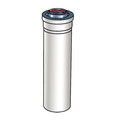


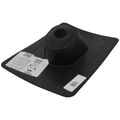


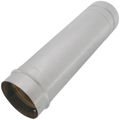


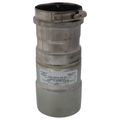
Tankless heater venting is the piping, fittings, and termination hardware that carries combustion exhaust away from a tankless water heater and, on many models, draws in fresh combustion air at the same time. Direct vent and power vent tankless units typically call for PVC, CPVC, or stainless steel vent pipe rated for the unit's specific temperature and pressure requirements, since standard water heater venting wasn't designed to handle sustained flue gas exposure at the higher efficiencies tankless equipment runs at. A concentric vent kit combines the intake and exhaust into a single wall or roof penetration, which simplifies installation in tight mechanical rooms where running two separate penetrations isn't practical. Getting the venting material, diameter, and maximum run length right matters as much as the water heater itself, because manufacturers void warranties when installers use unapproved venting or exceed a unit's rated vent length. Replacing failed or corroded venting components promptly keeps a tankless system running at its rated efficiency and prevents exhaust leakage into occupied space.
Subcategories
- PVC and CPVC Vent Pipe: PVC and CPVC vent pipe fits non-condensing and lower-temperature direct vent tankless water heaters where the manufacturer's installation manual specifically lists that material as approved. Installers glue and fit these runs using standard plumbing techniques, which keeps material and labor costs down compared with metal venting. Vent pipe here still needs to match the exact diameter called for in the unit's manual, since undersized runs restrict exhaust flow and can trigger a flame-failure lockout. Contractors check the maximum approved run length before finalizing a layout, since PVC and CPVC systems typically carry tighter length limits than stainless steel alternatives.
- Stainless Steel Vent Pipe: Stainless steel vent pipe handles the higher flue gas temperatures found in some non-condensing and combination direct vent or power vent tankless units, where plastic venting isn't an approved option. The material resists the corrosive condensate that forms as exhaust gas cools inside the pipe, which extends service life in installations with long horizontal runs. Stainless sections use band or twist-lock connections rather than solvent welding, so installers need matching couplers and elbows from the same product line to keep every joint sealed. Longer approved run lengths make stainless steel useful in mechanical rooms set back from an exterior wall.
- Concentric Vent Kits: Concentric vent kits combine the combustion air intake and exhaust into one pipe assembly, routing through a single wall or roof penetration instead of two separate ones. Tight mechanical closets and remodels where cutting a second penetration isn't practical benefit most from this configuration. The kit's termination cap keeps intake air and exhaust gas properly separated at the outside wall so exhaust isn't drawn back into the intake stream. Confirming the kit matches the tankless unit's rated diameter and maximum vent length keeps the installation within the manufacturer's approved configurations.
- Vent Terminations and Wall or Roof Caps: Vent terminations and wall or roof caps are the fittings installed where combustion exhaust exits the building, sized and clearance-rated to keep exhaust gas away from windows, soffits, and adjacent structures. Manufacturers publish minimum clearance distances from grade, walkways, and building openings that terminations need to meet at installation. A termination that isn't rated for the local snow line or roof pitch can allow blockage during winter months, a common cause of nuisance shutdowns. Replacing a cracked or corroded termination cap protects the rest of the vent run from moisture intrusion.
Buying Guide
Matching venting material to the specific tankless water heater model is the first step in any vent replacement or new installation, since manufacturers approve only certain pipe types, diameters, and maximum run lengths for each unit. Installation manuals list these requirements explicitly, and using an unapproved material or exceeding a rated run length can void the equipment warranty even when the water heater itself is functioning correctly.
Vent diameter and configuration depend on whether the unit is non-condensing or condensing, and whether the installation calls for a single exhaust pipe or a concentric intake and exhaust assembly. Tankless heater venting components need to stay consistent across an entire run. Mixing PVC fittings with a stainless steel section, for example, isn't an approved configuration on most equipment and creates a point where condensate or exhaust gas can leak.
Termination placement matters beyond the equipment itself. Local clearance requirements govern how far a vent termination sits from windows, doors, walkways, and property lines, and roof terminations need enough height and protection to avoid snow or debris blockage. Contractors planning a longer run should total the equivalent length of every elbow and fitting against the manufacturer's maximum approved distance before ordering pipe, since exceeding that limit restricts draft and can trigger safety lockouts on the unit.
Frequently Asked Questions
What venting material is approved for a condensing tankless water heater?
Condensing tankless units typically approve PVC, CPVC, or polypropylene venting because flue gas temperatures stay low enough for plastic pipe to handle safely. The specific approved material and maximum run length varies by manufacturer and model, so checking the installation manual before ordering pipe avoids installing venting that voids the warranty.
Can PVC vent pipe be used on a non-condensing tankless unit?
Non-condensing units run hotter exhaust temperatures that most PVC pipe isn't rated to handle, so these installations typically call for stainless steel or another high-temperature material instead. Installing PVC on a non-condensing unit against the manufacturer's specifications creates a safety hazard and voids coverage.
What's the benefit of a concentric vent kit over separate intake and exhaust pipes?
A concentric vent kit routes combustion air intake and exhaust through a single wall or roof penetration, cutting the number of holes needed in the structure and simplifying termination clearance planning. Installations in tight mechanical closets or finished spaces often favor this configuration for that reason.
How is maximum vent run length calculated for a tankless water heater?
Manufacturers publish a maximum equivalent length that accounts for straight pipe runs plus an additional distance for each elbow or fitting in the system. Adding up every component's equivalent length against the published maximum keeps the completed run within the unit's rated draft capacity.
What causes a tankless water heater to shut down with a venting-related error code?
Blocked terminations, undersized pipe diameter, or exceeding the maximum approved run length are common causes of exhaust or intake restriction that trigger a safety lockout. Checking the termination for debris or snow buildup and confirming the vent run matches the manual's specifications typically resolves the issue.
