




Filters
SORT
Product Availability –
Category –
Review Score –
 --%3E %3Csvg version='1.1' id='Fill' xmlns='http://www.w3.org/2000/svg' xmlns:xlink='http://www.w3.org/1999/xlink' x='0px' y='0px' viewBox='0 0 100 100' enable-background='new 0 0 100 100' xml:space='preserve'%3E %3Cpath fill='%23F15C02' d='M79.44,0.95H20.56C9.78,0.95,0.95,9.78,0.95,20.56v58.87c0,10.79,8.82,19.61,19.61,19.61h58.87 c10.79,0,19.61-8.83,19.61-19.61V20.56C99.05,9.78,90.22,0.95,79.44,0.95z M65.38,58.24l9.38,29.58L49.69,69.78L24.5,87.82 l9.34-29.6L8.8,39.6l30.73-0.17c0,0,6.98-19.61,10-28.93c0.54,1.36,9.88,29.1,9.88,29.1H91.2L65.38,58.24z'/%3E %3C/svg%3E)
 --%3E %3Csvg version='1.1' id='With-RB' xmlns='http://www.w3.org/2000/svg' xmlns:xlink='http://www.w3.org/1999/xlink' x='0px' y='0px' viewBox='0 0 100 100' enable-background='new 0 0 100 100' xml:space='preserve'%3E %3Cpath fill='%23FBC8B4' d='M79.44,0.95H20.56C9.78,0.95,0.95,9.78,0.95,20.56v58.87c0,10.79,8.82,19.61,19.61,19.61h58.87 c10.79,0,19.61-8.83,19.61-19.61V20.56C99.05,9.78,90.22,0.95,79.44,0.95z M65.38,58.24l9.38,29.58L49.69,69.78L24.5,87.82 l9.34-29.6L8.8,39.6l30.73-0.17c0,0,6.98-19.61,10-28.93c0.54,1.36,9.88,29.1,9.88,29.1H91.2L65.38,58.24z'/%3E %3C/svg%3E)
Price Range –
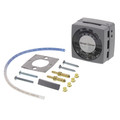
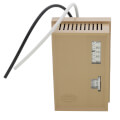
Barber Colman Thermostats



 --%3E %3Csvg version='1.1' id='Half' xmlns='http://www.w3.org/2000/svg' xmlns:xlink='http://www.w3.org/1999/xlink' x='0px' y='0px' viewBox='0 0 100 100' enable-background='new 0 0 100 100' xml:space='preserve'%3E %3Cg%3E %3Cpath fill='%23F15C02' d='M30.05,70.23l3.79-12.01L8.8,39.6l30.73-0.17c0,0,6.98-19.61,10-28.93c0.54,1.36,9.88,29.1,9.88,29.1h1.58 L93.71,7.18c-3.58-3.82-8.66-6.23-14.28-6.23H20.56C9.78,0.95,0.95,9.78,0.95,20.56v58.87c0,5.41,2.22,10.32,5.79,13.88 L30.05,70.23z'/%3E %3C/g%3E %3Cpath fill='%23FBC8B4' d='M93.71,7.18L60.98,39.6H91.2L65.38,58.24l9.38,29.58L49.69,69.78L24.5,87.82l5.55-17.59L6.75,93.32 c3.55,3.54,8.44,5.73,13.82,5.73h58.87c10.79,0,19.61-8.83,19.61-19.61V20.56C99.05,15.4,97.01,10.69,93.71,7.18z'/%3E %3C/svg%3E)
 --%3E %3Csvg version='1.1' id='No-RB' xmlns='http://www.w3.org/2000/svg' xmlns:xlink='http://www.w3.org/1999/xlink' x='0px' y='0px' viewBox='0 0 100 100' enable-background='new 0 0 100 100' xml:space='preserve'%3E %3Cpath fill='%23CECECE' d='M79.44,0.95H20.56C9.78,0.95,0.95,9.78,0.95,20.56v58.87c0,10.79,8.82,19.61,19.61,19.61h58.87 c10.79,0,19.61-8.83,19.61-19.61V20.56C99.05,9.78,90.22,0.95,79.44,0.95z M65.38,58.24l9.38,29.58L49.69,69.78L24.5,87.82 l9.34-29.6L8.8,39.6l30.73-0.17c0,0,6.98-19.61,10-28.93c0.54,1.36,9.88,29.1,9.88,29.1H91.2L65.38,58.24z'/%3E %3C/svg%3E)
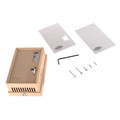

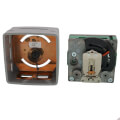
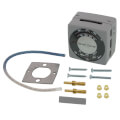
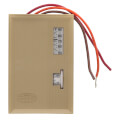
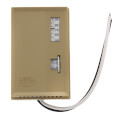
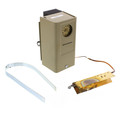
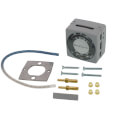
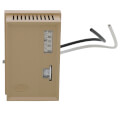

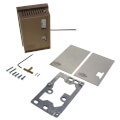
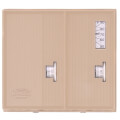

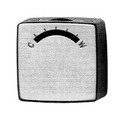
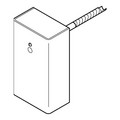
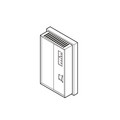
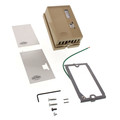
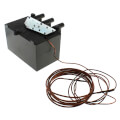


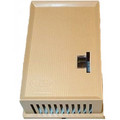
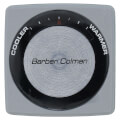
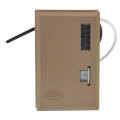
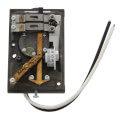
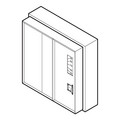
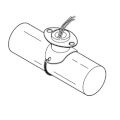
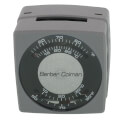
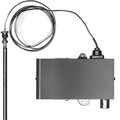
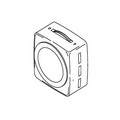
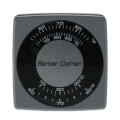

Barber Colman thermostats are legacy pneumatic and electric room controls found in older commercial buildings, schools, and institutional HVAC systems that still run on original Barber Colman control loops. Building engineers and controls techs stock these parts to keep existing pneumatic systems running rather than replace an entire control loop that otherwise still works. Because these systems are long out of production, matching the exact thermostat type to what's already installed on the wall is the first step on any service call.
Barber Colman thermostats typically control zone temperature by modulating air pressure to a pneumatic actuator or switching a low-voltage circuit tied into a larger building automation panel. Keeping a working stock of direct replacements lets a facilities crew swap a failed unit in minutes instead of waiting on a full retrofit, which matters most in occupied buildings where downtime on heating or cooling isn't an option.
Subcategories
- Pneumatic Room Thermostats: Pneumatic room thermostats sense space temperature and adjust a compressed air signal that drives a connected damper or valve actuator. They're the most commonly replaced part in older Barber Colman pneumatic loops since the temperature-sensing element wears out well before the surrounding ductwork or piping. Facilities techs match these by mounting style and pressure range to the existing branch line setup.
- Discharge and Duct Thermostats: Discharge and duct-mounted thermostats sit directly in the airstream rather than on a wall, monitoring supply or return air temperature for reset and limit control. They're used where a single room sensor isn't enough to protect equipment from overheating or freezing conditions in the duct. Replacement units need to match the original sensing bulb length and mounting flange.
- Thermostat Guards and Covers: Guards and covers protect an installed thermostat from tampering or accidental adjustment in public and institutional spaces like schools and common building corridors. They typically lock over the existing thermostat body without interfering with its normal operation. Facilities crews add these during renovations or after repeated occupant tampering issues.
Buying Guide
Matching an existing pneumatic control loop starts with identifying whether the current thermostat is direct-acting or reverse-acting, since swapping the wrong type will drive the connected damper or valve the opposite direction from what's needed. Pull the old unit and check its markings, or trace the branch line back to the actuator to confirm which way it should move on a temperature rise before ordering a replacement.
Mounting style matters just as much as the internal action. Older Barber Colman systems used a mix of exposed wall-mounted thermostats and semi-recessed models, and a mismatched mounting plate can leave a visible gap or an unstable install. Check the branch line pressure range on the existing unit too, since pneumatic thermostats are calibrated to a specific main air pressure and won't control accurately if that range doesn't match the building's compressor setup.
Because these are legacy parts supporting equipment no longer in production, availability can be limited compared to current-generation digital controls. It's worth confirming a direct physical and functional match before a service call rather than assuming compatibility across different thermostat generations, since even small differences in the branch line connection or calibration range can keep a pneumatic loop from holding setpoint. For buildings planning a longer-term upgrade, weigh the cost of continuing to source legacy pneumatic parts against migrating that zone to a current digital control system.
Frequently Asked Questions
Are Barber Colman pneumatic thermostats still manufactured?
No, these are legacy parts supporting existing installed systems rather than new production. Techs source direct replacements to keep older pneumatic control loops running without a full system retrofit.
How do I know if a replacement thermostat is direct-acting or reverse-acting?
Check the markings on the unit being replaced, or trace how the branch line pressure change affects the connected damper or valve actuator. Installing the wrong action type will drive the actuator the opposite direction from what the zone needs.
What's the difference between a room thermostat and a discharge thermostat?
A room thermostat mounts on a wall and senses space temperature, while a discharge or duct thermostat mounts directly in the airstream to monitor supply or return air. Discharge thermostats are typically used for equipment protection and reset control rather than direct room comfort.
Why would a building still be running on Barber Colman pneumatic controls?
Many older commercial and institutional buildings installed pneumatic control loops decades ago, and replacing the entire system is a much larger project than swapping individual failed components. Facilities teams often keep these loops running with direct replacement parts until a broader controls upgrade is planned.
Do thermostat guards affect how the thermostat controls temperature?
No, a guard or cover is designed to lock over the thermostat without interfering with its normal sensing or adjustment. They're added mainly to prevent tampering in public or shared spaces.
