




Filters
SORT
Product Availability –
Actuator Type –
Fail Safe Mode –
Review Score –
 --%3E %3Csvg version='1.1' id='Fill' xmlns='http://www.w3.org/2000/svg' xmlns:xlink='http://www.w3.org/1999/xlink' x='0px' y='0px' viewBox='0 0 100 100' enable-background='new 0 0 100 100' xml:space='preserve'%3E %3Cpath fill='%23F15C02' d='M79.44,0.95H20.56C9.78,0.95,0.95,9.78,0.95,20.56v58.87c0,10.79,8.82,19.61,19.61,19.61h58.87 c10.79,0,19.61-8.83,19.61-19.61V20.56C99.05,9.78,90.22,0.95,79.44,0.95z M65.38,58.24l9.38,29.58L49.69,69.78L24.5,87.82 l9.34-29.6L8.8,39.6l30.73-0.17c0,0,6.98-19.61,10-28.93c0.54,1.36,9.88,29.1,9.88,29.1H91.2L65.38,58.24z'/%3E %3C/svg%3E)
Price Range –
Flowrite Actuators


 --%3E %3Csvg version='1.1' id='No-RB' xmlns='http://www.w3.org/2000/svg' xmlns:xlink='http://www.w3.org/1999/xlink' x='0px' y='0px' viewBox='0 0 100 100' enable-background='new 0 0 100 100' xml:space='preserve'%3E %3Cpath fill='%23CECECE' d='M79.44,0.95H20.56C9.78,0.95,0.95,9.78,0.95,20.56v58.87c0,10.79,8.82,19.61,19.61,19.61h58.87 c10.79,0,19.61-8.83,19.61-19.61V20.56C99.05,9.78,90.22,0.95,79.44,0.95z M65.38,58.24l9.38,29.58L49.69,69.78L24.5,87.82 l9.34-29.6L8.8,39.6l30.73-0.17c0,0,6.98-19.61,10-28.93c0.54,1.36,9.88,29.1,9.88,29.1H91.2L65.38,58.24z'/%3E %3C/svg%3E)




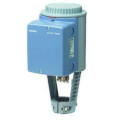




Flowrite actuators are Siemens-branded electric and pneumatic valve actuators used to drive rack-and-pinion and linear control valves in commercial HVAC and hydronic systems. Electronic Flowrite models accept a 0 to 10 Vdc or 4 to 20 mA control signal and produce a stroke proportional to that input, which lets a building automation system modulate valve position rather than just switching it open or closed. Pneumatic versions use a spring-and-diaphragm design in direct-acting or reverse-acting configurations to fit different fail-safe requirements on a given valve. Contractors specify Flowrite actuators most often when replacing an aging actuator on an existing Siemens-controlled valve, since matching the original actuator family keeps stroke length and mounting geometry consistent. Getting the acting direction, direct versus reverse, right during replacement matters, since a mismatched actuator will drive the valve the wrong way relative to the control signal.
Subcategories
- Electronic Flowrite Actuators: Electronic Flowrite actuators use a 0 to 10 Vdc or 4 to 20 mA input signal to drive a proportional stroke on a rack-and-pinion or linear valve. Controls contractors specify these for modulating applications where a building automation system needs fine position control rather than simple on/off switching. The electronic design eliminates the compressed air piping that pneumatic actuators require. Confirming the control signal type matches the building automation system's output is the main spec to check before ordering.
- Pneumatic Flowrite Actuators: Pneumatic Flowrite actuators use a spring-and-diaphragm design, available in direct-acting or reverse-acting configurations, to convert compressed air pressure into valve stroke. Facility teams maintaining older pneumatic control systems specify these to keep an existing air-based control loop intact without a full conversion to electronic controls. Acting direction determines which position the valve fails to if air pressure is lost. Matching acting direction to the valve's fail-safe requirement is critical during replacement.
- Flowrite Actuator Linkage and Mounting Kits: Linkage and mounting kits adapt a Flowrite actuator to the specific rack-and-pinion valve body it's paired with on a given job. Installers use these kits most often when replacing an actuator on a valve that predates the current actuator generation. Correct linkage travel keeps the actuator from overdriving the valve past its mechanical stop. Confirming valve model compatibility before ordering avoids a linkage mismatch in the field.
Buying Guide
Selecting a Flowrite actuator starts with identifying whether the existing valve and control loop are electronic or pneumatic, since the two actuator families aren't interchangeable without also changing the control wiring or air piping. For electronic applications, confirming whether the building automation system outputs a 0 to 10 Vdc or 4 to 20 mA signal determines which actuator model accepts the input correctly; using the wrong signal type can leave the valve stuck at one end of its stroke. Flowrite actuators built for pneumatic systems add a second decision point: acting direction. Direct-acting and reverse-acting versions fail to opposite valve positions if air pressure is lost, so matching acting direction to the valve's designed fail-safe behavior is not optional on life-safety or freeze-protection applications. Replacement jobs on existing Siemens-controlled valves generally go faster when the new actuator matches the stroke length and mounting geometry of the one being replaced, since a mismatched stroke can either underdrive or overdrive the valve. Contractors converting an older pneumatic loop to electronic controls should budget for the linkage and mounting hardware separately, since a pneumatic valve body doesn't automatically accept an electronic actuator without an adapter kit. Checking valve model compatibility against the actuator's published fit list before ordering avoids the most common return on Flowrite actuator orders.
Frequently Asked Questions
What's the difference between electronic and pneumatic Flowrite actuators?
Electronic Flowrite actuators use a 0 to 10 Vdc or 4 to 20 mA control signal to drive a proportional stroke, while pneumatic versions use a spring-and-diaphragm design powered by compressed air. Electronic actuators fit modern building automation systems without added air piping. Pneumatic actuators are still specified on buildings maintaining an existing compressed-air control loop. Choosing between them depends on what control infrastructure is already in place.
How do I know if I need a direct-acting or reverse-acting actuator?
The choice depends on which position the valve needs to fail to if air pressure or control signal is lost; direct-acting and reverse-acting actuators drive the valve in opposite directions relative to the same input. Life-safety and freeze-protection valves usually have a specific required fail-safe position written into the design documents. Checking the original actuator's acting direction before replacement is the safest way to confirm which type to order. Installing the wrong acting direction can leave a valve failing open when it should fail closed, or the reverse.
Can a Flowrite actuator be used on a valve from a different manufacturer?
Flowrite actuators are designed to mount to Siemens rack-and-pinion and linear valve bodies, so using one on a different manufacturer's valve usually requires a linkage or mounting adapter kit. Controls contractors confirm valve model compatibility against the actuator's fit list before ordering to avoid a mismatched connection. Stroke length and mounting geometry both need to line up for the actuator to drive the valve through its full range. Sticking with the matched valve and actuator family is the more reliable option when it's available.
What control signal do electronic Flowrite actuators accept?
Electronic Flowrite actuators accept either a 0 to 10 Vdc or 4 to 20 mA input signal and produce a proportional stroke based on that input. Confirming which signal type the building automation system outputs is necessary before ordering, since the two aren't interchangeable without a signal converter. A mismatched signal type typically leaves the actuator stuck at one end of its travel. Controls technicians check this during commissioning before closing out the job.
Why would a contractor replace an actuator instead of the whole valve?
Replacing just the actuator is usually faster and less disruptive than replacing the entire valve body, especially on hydronic systems where draining and refilling the loop takes real time. Matching the replacement actuator's stroke length and acting direction to the original keeps the valve operating correctly without further adjustment. Contractors typically only replace the full valve if the valve body itself is leaking or worn, not just the actuator. Checking actuator availability for the existing valve model is usually the first step before deciding between the two approaches.
