




GREE Ductless Mini Split Systems


 --%3E %3Csvg version='1.1' id='No-RB' xmlns='http://www.w3.org/2000/svg' xmlns:xlink='http://www.w3.org/1999/xlink' x='0px' y='0px' viewBox='0 0 100 100' enable-background='new 0 0 100 100' xml:space='preserve'%3E %3Cpath fill='%23CECECE' d='M79.44,0.95H20.56C9.78,0.95,0.95,9.78,0.95,20.56v58.87c0,10.79,8.82,19.61,19.61,19.61h58.87 c10.79,0,19.61-8.83,19.61-19.61V20.56C99.05,9.78,90.22,0.95,79.44,0.95z M65.38,58.24l9.38,29.58L49.69,69.78L24.5,87.82 l9.34-29.6L8.8,39.6l30.73-0.17c0,0,6.98-19.61,10-28.93c0.54,1.36,9.88,29.1,9.88,29.1H91.2L65.38,58.24z'/%3E %3C/svg%3E)
 --%3E %3Csvg version='1.1' id='Fill' xmlns='http://www.w3.org/2000/svg' xmlns:xlink='http://www.w3.org/1999/xlink' x='0px' y='0px' viewBox='0 0 100 100' enable-background='new 0 0 100 100' xml:space='preserve'%3E %3Cpath fill='%23F15C02' d='M79.44,0.95H20.56C9.78,0.95,0.95,9.78,0.95,20.56v58.87c0,10.79,8.82,19.61,19.61,19.61h58.87 c10.79,0,19.61-8.83,19.61-19.61V20.56C99.05,9.78,90.22,0.95,79.44,0.95z M65.38,58.24l9.38,29.58L49.69,69.78L24.5,87.82 l9.34-29.6L8.8,39.6l30.73-0.17c0,0,6.98-19.61,10-28.93c0.54,1.36,9.88,29.1,9.88,29.1H91.2L65.38,58.24z'/%3E %3C/svg%3E)

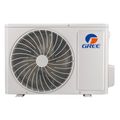
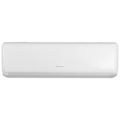
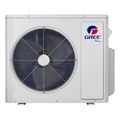
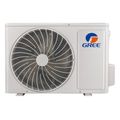
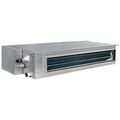
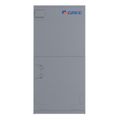
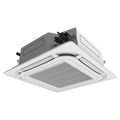
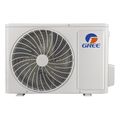
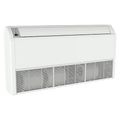
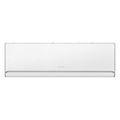
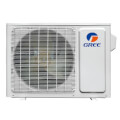
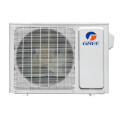
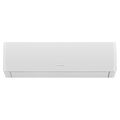
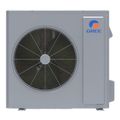

GREE ductless mini split systems are heating and cooling units that condition individual rooms or zones without the ductwork a central forced-air system requires, pairing an outdoor condenser with one or more indoor wall, ceiling, or floor-mounted units. Contractors spec these systems for additions, garages, and older buildings where running new ductwork is impractical or would eat into usable space. A single outdoor condenser can often support multiple indoor heads on a multi-zone layout, letting each room run its own temperature setting independently of the others. Installation centers on a refrigerant line set that connects the indoor and outdoor components through a small wall penetration, along with a condensate drain and a control wiring run. Because zoning is handled at the unit level rather than through dampers, a mini split setup gives a homeowner or building owner room-by-room comfort control that a single central thermostat cannot match.
Subcategories
- Outdoor Condensing Units: The outdoor unit houses the compressor and condenser coil and is sized to match the combined capacity of the indoor heads it will serve. Single-zone condensers pair with one indoor unit, while multi-zone condensers split refrigerant flow across two or more indoor heads on independent circuits. Mounting location matters for these units, since airflow clearance and vibration isolation both affect long-term compressor life. Matching condenser capacity to the connected indoor units keeps the system running at its intended efficiency.
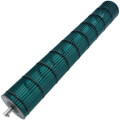
- Indoor Wall-Mounted Units: Wall-mounted indoor heads are the most common style installed in bedrooms, living areas, and offices because of their compact profile and simple mounting bracket. Each head contains its own evaporator coil, blower wheel, and filter that can be serviced without touching the outdoor unit. Technicians select head capacity based on room square footage, insulation level, and window exposure rather than a flat rule of thumb. A wall-mounted head typically includes a wireless remote and, on many models, a built-in timer function.
- Ceiling Cassette and Concealed Duct Units: Ceiling cassette units mount flush into a drop ceiling and distribute air in multiple directions, which suits open commercial spaces or rooms where a wall unit would be visually obtrusive. Concealed duct units sit above the ceiling entirely and connect to a short run of ductwork feeding one or more grilles, giving an installer more flexibility over where supply air lands in the room. Both styles need service access above the ceiling for filter changes and coil cleaning. Contractors size these units the same way as wall-mounted heads, based on the zone's heat gain and loss.
- Line Sets and Installation Accessories: Line sets carry refrigerant between the indoor and outdoor units and have to be cut, brazed or flared, and evacuated correctly to prevent a slow refrigerant leak down the road. Wall sleeves, line hide covers, and mounting brackets keep the exposed portion of the line set protected from weather and UV exposure on an outdoor wall. Condensate pumps are often added to this category when gravity drainage from an indoor unit is not possible. Choosing the correct line set length and diameter for the specific condenser and head combination is critical to proper system charge.
Buying Guide
Sizing is the first decision on any GREE ductless mini split system. Oversizing a unit leads to short cycling and poor humidity control, while undersizing leaves a room unable to hold temperature on the hottest or coldest days. A room-by-room load calculation, rather than a rule of thumb based on square footage alone, gives a more reliable starting point, especially in rooms with large windows, vaulted ceilings, or unusual insulation levels.
Decide between a single-zone and multi-zone layout early, since that choice affects both the outdoor condenser selection and the line set routing plan. Multi-zone systems let one condenser serve several rooms, which can simplify outdoor unit placement, but each indoor head still needs its own dedicated line set run back to the condenser. Longer or more complex line set runs can reduce a system's rated capacity, so check the manufacturer's line set length limits before finalizing a layout.
Confirm electrical requirements before ordering, since outdoor condensers on GREE Ductless Mini Split Systems typically need a dedicated circuit sized to the unit's specification, and multi-zone condensers draw more current than single-zone models. Plan for a proper condensate drain path for every indoor head, particularly ceiling cassette and concealed duct units where gravity drainage is not always straightforward. Finally, factor in accessories like line hide covers and wall sleeves at the time of purchase rather than as an afterthought, since they affect the finished look of the installation.
Frequently Asked Questions
How many indoor units can one GREE outdoor condenser support?
It depends on the specific condenser model. Single-zone condensers support exactly one indoor head, while multi-zone condensers are built to support anywhere from two to five heads depending on the model and combined capacity. Matching total indoor head capacity to the condenser's rated output keeps every zone performing as expected.
Can a mini split system heat a room as well as cool it?
Yes, most GREE ductless mini split systems are heat pumps, meaning they provide both heating and cooling from the same equipment by reversing the refrigerant cycle. Cold-climate rated models are designed to keep delivering heat effectively even at low outdoor temperatures, though performance still tapers off in extreme cold. Checking a unit's low-temperature heating rating is worthwhile in colder climates.
How far can the line set run between the indoor and outdoor units?
Each condenser model has a maximum rated line set length and elevation difference between indoor and outdoor units, and exceeding that limit can reduce capacity or cause improper refrigerant charge. Longer runs sometimes require additional refrigerant charge beyond the factory-supplied amount. Always check the specific model's installation manual before planning a longer line set run.
Do ductless mini splits need regular maintenance?
Yes, indoor filters should be cleaned on a regular schedule, and the outdoor condenser coil needs periodic cleaning to keep airflow unrestricted. Neglected filters are one of the most common reasons a mini split loses capacity or starts icing over on the indoor coil. A yearly professional check of refrigerant charge and electrical connections helps catch small problems early.
What is the difference between a wall-mounted head and a ceiling cassette?
A wall-mounted head installs on an exterior or interior wall and directs air across the room from that single point, while a ceiling cassette mounts flush into a drop ceiling and distributes air in multiple directions from the center of the room. Cassettes suit open floor plans or spaces where a wall unit is not practical, while wall units are generally simpler and less expensive to install. The choice usually comes down to room layout and ceiling type.
