



Filters
SORT
Product Availability –
Fuel Type –
Capacity (Gallons) –
Height (Inches) –
Diameter (Inches) –
Depth (Inches) –
Review Score –
 --%3E %3Csvg version='1.1' id='Fill' xmlns='http://www.w3.org/2000/svg' xmlns:xlink='http://www.w3.org/1999/xlink' x='0px' y='0px' viewBox='0 0 100 100' enable-background='new 0 0 100 100' xml:space='preserve'%3E %3Cpath fill='%23F15C02' d='M79.44,0.95H20.56C9.78,0.95,0.95,9.78,0.95,20.56v58.87c0,10.79,8.82,19.61,19.61,19.61h58.87 c10.79,0,19.61-8.83,19.61-19.61V20.56C99.05,9.78,90.22,0.95,79.44,0.95z M65.38,58.24l9.38,29.58L49.69,69.78L24.5,87.82 l9.34-29.6L8.8,39.6l30.73-0.17c0,0,6.98-19.61,10-28.93c0.54,1.36,9.88,29.1,9.88,29.1H91.2L65.38,58.24z'/%3E %3C/svg%3E)
 --%3E %3Csvg version='1.1' id='With-RB' xmlns='http://www.w3.org/2000/svg' xmlns:xlink='http://www.w3.org/1999/xlink' x='0px' y='0px' viewBox='0 0 100 100' enable-background='new 0 0 100 100' xml:space='preserve'%3E %3Cpath fill='%23FBC8B4' d='M79.44,0.95H20.56C9.78,0.95,0.95,9.78,0.95,20.56v58.87c0,10.79,8.82,19.61,19.61,19.61h58.87 c10.79,0,19.61-8.83,19.61-19.61V20.56C99.05,9.78,90.22,0.95,79.44,0.95z M65.38,58.24l9.38,29.58L49.69,69.78L24.5,87.82 l9.34-29.6L8.8,39.6l30.73-0.17c0,0,6.98-19.61,10-28.93c0.54,1.36,9.88,29.1,9.88,29.1H91.2L65.38,58.24z'/%3E %3C/svg%3E)
Price Range –
Lochinvar Water Heaters


 --%3E %3Csvg version='1.1' id='No-RB' xmlns='http://www.w3.org/2000/svg' xmlns:xlink='http://www.w3.org/1999/xlink' x='0px' y='0px' viewBox='0 0 100 100' enable-background='new 0 0 100 100' xml:space='preserve'%3E %3Cpath fill='%23CECECE' d='M79.44,0.95H20.56C9.78,0.95,0.95,9.78,0.95,20.56v58.87c0,10.79,8.82,19.61,19.61,19.61h58.87 c10.79,0,19.61-8.83,19.61-19.61V20.56C99.05,9.78,90.22,0.95,79.44,0.95z M65.38,58.24l9.38,29.58L49.69,69.78L24.5,87.82 l9.34-29.6L8.8,39.6l30.73-0.17c0,0,6.98-19.61,10-28.93c0.54,1.36,9.88,29.1,9.88,29.1H91.2L65.38,58.24z'/%3E %3C/svg%3E)
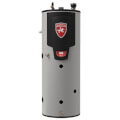
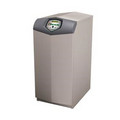
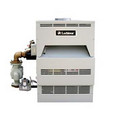
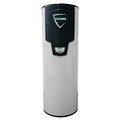
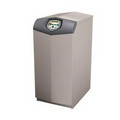
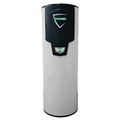
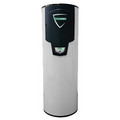
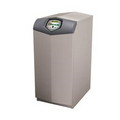
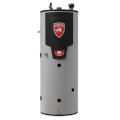
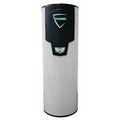
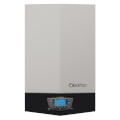

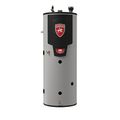
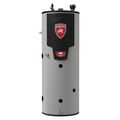
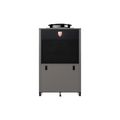
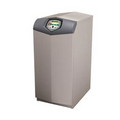
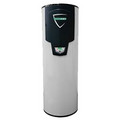
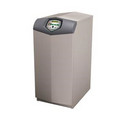
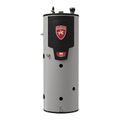
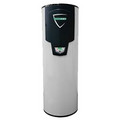
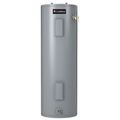

Lochinvar Water Heaters cover a range of gas-fired storage and condensing units built for both residential and light commercial hot water applications. The line includes standard atmospheric and power vent storage tanks alongside high-efficiency condensing models that recover extra heat from the flue gas before it exits the vent, letting a condensing unit reach meaningfully higher efficiency than a standard atmospheric tank of similar size. Commercial buildings with heavy or continuous hot water demand, like multi-family housing or hospitality, tend to specify the condensing models despite the higher upfront cost, since the fuel savings accumulate over the life of the unit. Venting requirements differ significantly between the atmospheric and condensing lines, which is usually the first thing to confirm before finalizing a Lochinvar model for a given mechanical room.
Subcategories
- Condensing Lochinvar Water Heaters: Condensing models use a secondary heat exchanger to pull additional heat out of the flue gas before it vents, which raises overall efficiency compared to an atmospheric unit. They vent through PVC or CPVC pipe rather than metal flue, and most also need a condensate drain. Buildings with continuous hot water demand often justify the higher upfront cost through fuel savings over time. Confirming condensate drainage is available before installation avoids a surprise mid-job.
- Atmospheric Lochinvar Water Heaters: Atmospheric models vent through a standard vertical metal flue using natural draft, which fits well in replacement jobs where that flue infrastructure already exists. They cost less upfront than condensing units and involve a simpler installation. Older commercial and residential replacement jobs frequently favor this style for that reason. Checking that the existing flue is sized correctly for the new unit is still worth doing.
- Commercial Lochinvar Water Heaters: This tier is built with larger storage and higher recovery rates for buildings with continuous or overlapping hot water demand, such as multi-family properties or hospitality. Sizing correctly depends on peak-hour draw across the whole building rather than an average. Undersizing recovery is the more common and disruptive mistake in these settings. A proper load calculation before ordering helps avoid it.
- Lochinvar Water Heater Replacement Parts: This grouping covers igniters, gas valves, and anode rods for units already installed. Keeping these parts on hand shortens turnaround on service calls, particularly for buildings that can't be without hot water for long. Anode rods need periodic inspection to protect the tank from corrosion. Matching parts to the specific model avoids a fit issue during a time-sensitive repair.
Buying Guide
Venting is usually the deciding factor between an atmospheric and a condensing model. Atmospheric units vent through a standard vertical metal flue, which works well in replacement jobs where that flue already exists, while condensing units vent through PVC or CPVC pipe that can run horizontally, opening up more placement options in a mechanical room without an existing chimney.
Recovery rate and storage capacity both matter for correctly sizing a Lochinvar Water Heaters unit to the building it serves. A commercial property with continuous, overlapping demand from multiple units needs recovery rate prioritized over storage volume, while a smaller residential replacement can usually match the outgoing unit's capacity without a full load recalculation.
Efficiency gains from a condensing model come from a secondary heat exchanger that pulls additional heat out of the flue gas before it vents, and that gain is real but comes with a higher upfront cost and, in many cases, a condensate drain requirement that an atmospheric unit doesn't need. Confirming there's a suitable place to route condensate drainage is worth doing before committing to a condensing model.
Replacement parts availability is worth checking for buildings planning to keep a unit in service for years, since gas valves, igniters, and anode rods wear out well before the tank itself typically fails. Keeping a maintenance schedule for anode inspection in particular extends tank life significantly compared to a unit left unchecked.
Frequently Asked Questions
What's the real advantage of a condensing Lochinvar model over an atmospheric one?
A condensing model pulls additional heat out of the flue gas through a secondary heat exchanger before it vents, which improves efficiency over an atmospheric unit of similar size. That advantage comes with a higher upfront cost and a condensate drain requirement, so it pays off most on buildings with heavy, continuous hot water demand.
Does a condensing Lochinvar water heater need special venting?
Yes, condensing models vent through PVC or CPVC pipe rather than a metal flue, and the vent run can typically go horizontally rather than needing a vertical chimney. Confirming venting material and routing before installation prevents a mismatch with the mechanical room layout.
How do I size a Lochinvar water heater for a multi-family building?
Sizing should be based on peak-hour hot water draw across the entire building rather than an average across the day, with recovery rate weighted more heavily than storage volume for continuous demand. Undersizing recovery is the more common and disruptive mistake in these settings.
Can atmospheric and condensing Lochinvar models share the same footprint?
Tank footprints can be similar, but venting requirements differ significantly, since condensing units need PVC or CPVC vent pipe and often a condensate drain that atmospheric units don't require. Checking both footprint and venting infrastructure together avoids an installation surprise.
What maintenance keeps a Lochinvar water heater running efficiently long-term?
Periodic anode rod inspection, sediment flushing, and checking the gas valve and igniter components are the main maintenance items across the line. Building in a regular inspection schedule, rather than waiting for a failure, extends the tank's service life.
