




Malco Pipe & Tubing Tools


 --%3E %3Csvg version='1.1' id='No-RB' xmlns='http://www.w3.org/2000/svg' xmlns:xlink='http://www.w3.org/1999/xlink' x='0px' y='0px' viewBox='0 0 100 100' enable-background='new 0 0 100 100' xml:space='preserve'%3E %3Cpath fill='%23CECECE' d='M79.44,0.95H20.56C9.78,0.95,0.95,9.78,0.95,20.56v58.87c0,10.79,8.82,19.61,19.61,19.61h58.87 c10.79,0,19.61-8.83,19.61-19.61V20.56C99.05,9.78,90.22,0.95,79.44,0.95z M65.38,58.24l9.38,29.58L49.69,69.78L24.5,87.82 l9.34-29.6L8.8,39.6l30.73-0.17c0,0,6.98-19.61,10-28.93c0.54,1.36,9.88,29.1,9.88,29.1H91.2L65.38,58.24z'/%3E %3C/svg%3E)

 --%3E %3Csvg version='1.1' id='Fill' xmlns='http://www.w3.org/2000/svg' xmlns:xlink='http://www.w3.org/1999/xlink' x='0px' y='0px' viewBox='0 0 100 100' enable-background='new 0 0 100 100' xml:space='preserve'%3E %3Cpath fill='%23F15C02' d='M79.44,0.95H20.56C9.78,0.95,0.95,9.78,0.95,20.56v58.87c0,10.79,8.82,19.61,19.61,19.61h58.87 c10.79,0,19.61-8.83,19.61-19.61V20.56C99.05,9.78,90.22,0.95,79.44,0.95z M65.38,58.24l9.38,29.58L49.69,69.78L24.5,87.82 l9.34-29.6L8.8,39.6l30.73-0.17c0,0,6.98-19.61,10-28.93c0.54,1.36,9.88,29.1,9.88,29.1H91.2L65.38,58.24z'/%3E %3C/svg%3E)




 --%3E %3Csvg version='1.1' id='With-RB' xmlns='http://www.w3.org/2000/svg' xmlns:xlink='http://www.w3.org/1999/xlink' x='0px' y='0px' viewBox='0 0 100 100' enable-background='new 0 0 100 100' xml:space='preserve'%3E %3Cpath fill='%23FBC8B4' d='M79.44,0.95H20.56C9.78,0.95,0.95,9.78,0.95,20.56v58.87c0,10.79,8.82,19.61,19.61,19.61h58.87 c10.79,0,19.61-8.83,19.61-19.61V20.56C99.05,9.78,90.22,0.95,79.44,0.95z M65.38,58.24l9.38,29.58L49.69,69.78L24.5,87.82 l9.34-29.6L8.8,39.6l30.73-0.17c0,0,6.98-19.61,10-28.93c0.54,1.36,9.88,29.1,9.88,29.1H91.2L65.38,58.24z'/%3E %3C/svg%3E)




Malco pipe and tubing tools are hand tools built for cutting, crimping, swaging, and preparing metal pipe and tubing on HVAC and sheet metal jobs. Malco is a manufacturer known for durable sheet metal and duct tools, and its pipe and tubing line extends that same build quality to tasks like cutting round duct, crimping pipe ends for slip-fit connections, and deburring cut edges. These tools are built around manual, hand-operated mechanisms rather than powered equipment, which makes them useful on rooftops, in crawl spaces, and other job sites where running a power cord or battery tool isn't practical. Sheet metal installers and HVAC technicians use this category daily for fabricating and joining round duct and pipe sections in the field. Because these tools see repeated daily use, build quality and ease of blade or jaw replacement matter as much as initial cutting performance when choosing a specific model.
Subcategories
- Pipe and Duct Crimpers: Pipe and duct crimpers create small indentations around the end of round duct or pipe so it can slip-fit into the next section without a separate connector. Sheet metal installers use these on every crimped joint in a round duct run, making them one of the most frequently used tools on the truck. Most crimpers handle a range of common duct diameters with a single adjustable jaw. Replacing worn crimping jaws rather than the whole tool extends service life.
- Tubing and Pipe Cutters: Tubing and pipe cutters give a clean, square cut on round metal pipe or tubing without the burrs and warping that come from cutting with snips. These are used when preparing pipe ends for crimping, soldering, or slip-fit joints where a straight edge matters. A sharp, well-maintained cutting wheel reduces the force needed and keeps cuts consistent across a long duct run. Technicians typically carry a dedicated cutter sized for the pipe diameters common on their jobs.
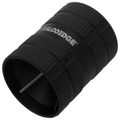
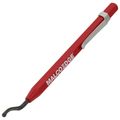
- Deburring Tools: Deburring tools remove the sharp edge left on pipe or tubing after cutting, which protects installers from cuts and keeps the pipe interior clear for proper airflow or fluid flow. These are a quick, inexpensive addition to a tool pouch that prevents injury and rework. Some deburring tools handle both the inside and outside edge of a cut in a single pass. Using one after every cut is standard practice on quality-focused installations.
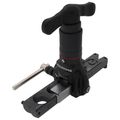
- Swaging Tools: Swaging tools expand one end of a pipe or tube slightly so the next section can be inserted directly, creating a joint without a separate coupling. This is common practice on copper and thin-wall pipe where reducing the number of fittings in a run saves both material and labor. A properly swaged joint should be soldered or otherwise sealed depending on the application. Contractors use swaging tools most often on refrigeration and HVAC line sets.
Buying Guide
Choosing the right pipe and tubing tool starts with matching the tool to the material and diameter range actually used on the job. A crimper or cutter rated for a wider diameter range offers more flexibility on mixed-size duct runs, but a dedicated tool sized to a common diameter often cuts faster and with less hand fatigue over a full day of repetitive use. Contractors working primarily on residential duct runs may prioritize a lighter, more compact tool, while commercial installers running larger diameter duct need a tool built for the added material thickness.
Build quality matters more for tools used daily than for occasional-use equipment. Look for replaceable cutting wheels, crimping jaws, or blades rather than a sealed tool that has to be discarded once the cutting edge dulls. This keeps ongoing costs down and avoids downtime waiting on a full tool replacement. A comfortable grip and smooth mechanism action also reduce fatigue on jobs that involve hundreds of repetitive crimps or cuts in a single day.
When shopping Malco Pipe & Tubing Tools, consider stocking a small set covering cutting, crimping, and deburring together rather than buying tools individually as needs come up. Having a complete set on the truck avoids delays when a job calls for a step that wasn't anticipated. Checking that accessory parts, like replacement blades or jaws, remain available for a given tool model also protects the investment over the tool's working life.
Frequently Asked Questions
What's the difference between crimping and swaging?
Crimping creates small indentations around a pipe or duct end so it slip-fits into the next section from the outside, while swaging expands the end of a pipe so the next section fits inside it directly. Crimping is more common on round HVAC duct, while swaging is more common on copper and refrigeration line sets. Both methods reduce the number of separate couplings needed in a run.
Do I need a different cutter for copper versus galvanized pipe?
Many tubing and pipe cutters are rated for a range of materials, but the cutting wheel hardness and jaw strength needed for galvanized steel is generally higher than for softer copper. Using a cutter rated for the harder material on softer pipe works fine, but the reverse can damage the tool or leave a poor cut. Checking the manufacturer's material rating before use prevents both problems.
How often should crimping jaws or cutting wheels be replaced?
Replacement frequency depends on daily use volume and the material being cut, but a dull wheel or worn jaw shows up as increased effort, uneven crimps, or ragged cuts. Most manual pipe tools are built with replaceable wear parts specifically so the whole tool doesn't need replacing. Keeping a spare wheel or jaw set on hand avoids downtime mid-job.
Are these tools suitable for both HVAC duct work and plumbing pipe?
Pipe and tubing tools are generally built around a specific application, such as round HVAC duct crimping versus copper tubing swaging, so the right tool depends on the material and joint type involved. Some cutters and deburring tools work across both trades since cutting and deburring needs are similar regardless of the pipe's end use. Checking the diameter and material rating on the specific tool confirms it fits the job.
Why is deburring necessary if the pipe will be crimped or soldered anyway?
A sharp burr left after cutting can catch on gaskets, damage seals, or restrict airflow and fluid flow even after the joint is otherwise properly made. Deburring also protects installers from cuts while handling the pipe during assembly. It's a fast step that prevents both safety issues and long-term performance problems in the finished run.
