




Filters
SORT
Product Availability –
Brand –
Color –
Finish –
Review Score –
 --%3E %3Csvg version='1.1' id='Fill' xmlns='http://www.w3.org/2000/svg' xmlns:xlink='http://www.w3.org/1999/xlink' x='0px' y='0px' viewBox='0 0 100 100' enable-background='new 0 0 100 100' xml:space='preserve'%3E %3Cpath fill='%23F15C02' d='M79.44,0.95H20.56C9.78,0.95,0.95,9.78,0.95,20.56v58.87c0,10.79,8.82,19.61,19.61,19.61h58.87 c10.79,0,19.61-8.83,19.61-19.61V20.56C99.05,9.78,90.22,0.95,79.44,0.95z M65.38,58.24l9.38,29.58L49.69,69.78L24.5,87.82 l9.34-29.6L8.8,39.6l30.73-0.17c0,0,6.98-19.61,10-28.93c0.54,1.36,9.88,29.1,9.88,29.1H91.2L65.38,58.24z'/%3E %3C/svg%3E)
 --%3E %3Csvg version='1.1' id='With-RB' xmlns='http://www.w3.org/2000/svg' xmlns:xlink='http://www.w3.org/1999/xlink' x='0px' y='0px' viewBox='0 0 100 100' enable-background='new 0 0 100 100' xml:space='preserve'%3E %3Cpath fill='%23FBC8B4' d='M79.44,0.95H20.56C9.78,0.95,0.95,9.78,0.95,20.56v58.87c0,10.79,8.82,19.61,19.61,19.61h58.87 c10.79,0,19.61-8.83,19.61-19.61V20.56C99.05,9.78,90.22,0.95,79.44,0.95z M65.38,58.24l9.38,29.58L49.69,69.78L24.5,87.82 l9.34-29.6L8.8,39.6l30.73-0.17c0,0,6.98-19.61,10-28.93c0.54,1.36,9.88,29.1,9.88,29.1H91.2L65.38,58.24z'/%3E %3C/svg%3E)
Price Range –
Showers


 --%3E %3Csvg version='1.1' id='No-RB' xmlns='http://www.w3.org/2000/svg' xmlns:xlink='http://www.w3.org/1999/xlink' x='0px' y='0px' viewBox='0 0 100 100' enable-background='new 0 0 100 100' xml:space='preserve'%3E %3Cpath fill='%23CECECE' d='M79.44,0.95H20.56C9.78,0.95,0.95,9.78,0.95,20.56v58.87c0,10.79,8.82,19.61,19.61,19.61h58.87 c10.79,0,19.61-8.83,19.61-19.61V20.56C99.05,9.78,90.22,0.95,79.44,0.95z M65.38,58.24l9.38,29.58L49.69,69.78L24.5,87.82 l9.34-29.6L8.8,39.6l30.73-0.17c0,0,6.98-19.61,10-28.93c0.54,1.36,9.88,29.1,9.88,29.1H91.2L65.38,58.24z'/%3E %3C/svg%3E)

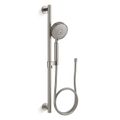


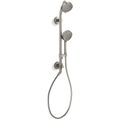
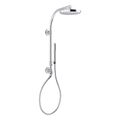
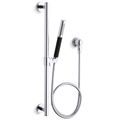
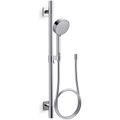
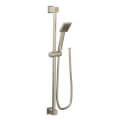

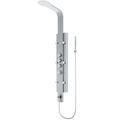

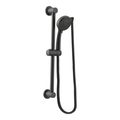
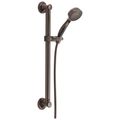
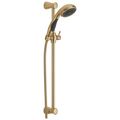
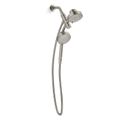
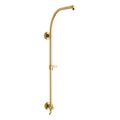
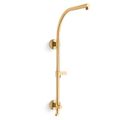
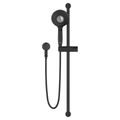
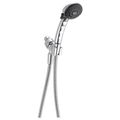
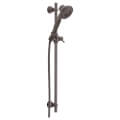

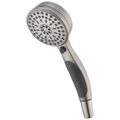
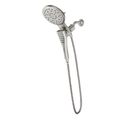
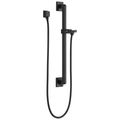
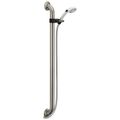
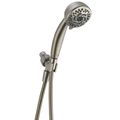
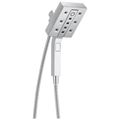

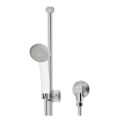
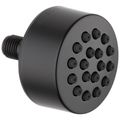
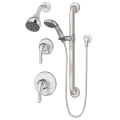
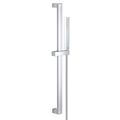
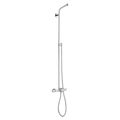
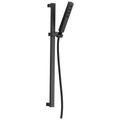

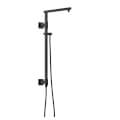
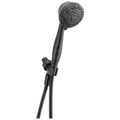

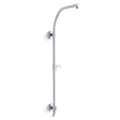
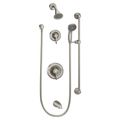
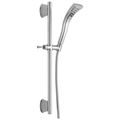
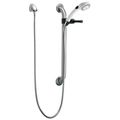
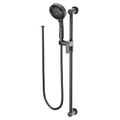

Showers cover the full range of components that make up a shower installation, from the shower head and valve to the base, walls, and drain that complete the enclosure. A shower system typically combines a mixing valve that blends hot and cold water to a set temperature, supply piping that feeds the valve, a shower head or body sprays that deliver the water, and a base or pan paired with a drain to carry water away safely. Plumbers handle shower installations in both new construction and remodel work, where existing rough-in dimensions and wall framing often dictate what components will fit without major demolition. Getting the valve type and rough-in position right early in a project matters most, since moving a valve after walls are finished means cutting into tile or drywall to make the change. Contractors also need to account for local code requirements around anti-scald protection, which most jurisdictions require on shower valves regardless of fixture brand.
Subcategories
- Shower Valves: The shower valve controls water temperature and flow, blending hot and cold supply lines before sending water to the head or body sprays. Most codes require pressure-balancing or thermostatic valves to prevent sudden temperature spikes if water pressure changes elsewhere in the building. Valve rough-in position needs to be set before wall finishing, since relocating a valve later requires opening the wall. Pressure-balancing valves are the more common and generally less expensive option, while thermostatic valves offer more precise temperature control.
- Shower Heads and Body Sprays: Shower heads deliver the final water spray and range from fixed wall-mount styles to handheld units on a slide bar or hose. Body sprays mount at multiple points along the shower wall to add spray coverage beyond the main head, common in higher-end remodel and new construction work. Flow rate on shower heads is subject to water-efficiency regulations in many areas, so contractors should confirm compliance before installation. Matching the head's connection thread to the existing supply arm avoids an unnecessary adapter fitting.
- Shower Bases and Pans: A shower base or pan forms the floor of the shower and directs water to the drain while providing a waterproof barrier over the subfloor. Prefabricated bases install faster than a tiled mortar bed and suit standard shower dimensions, while custom mortar bases accommodate irregular layouts or curbless designs. Base material choices include acrylic, fiberglass, and solid surface, each with different durability and maintenance characteristics. Confirming drain location alignment between the base and existing rough plumbing avoids a costly mismatch during installation.
- Shower Doors and Enclosures: Shower doors and enclosures contain water within the shower area and range from simple curtain rods to framed, semi-frameless, and fully frameless glass systems. Frameless glass has become a common upgrade choice in remodels for its cleaner appearance, though it typically costs more and requires more precise installation than framed alternatives. Enclosure dimensions need to match the base and available wall space, so measuring carefully before ordering custom glass avoids an expensive reorder. Sliding doors work well in tighter spaces where a swinging door would interfere with other bathroom fixtures.
Buying Guide
Start any shower project by confirming the rough-in dimensions, especially if replacing an existing shower rather than building new. Showers involve multiple interconnected components, and a valve or drain rough-in that doesn't match new fixtures often forces unplanned changes once walls or floors are opened up.
Decide on valve type early, since pressure-balancing and thermostatic valves have different price points, installation requirements, and code compliance considerations. Most local codes require some form of anti-scald protection, so confirming what's required in the specific jurisdiction avoids a failed inspection.
Choose the base or pan based on the shower's footprint and whether a standard prefabricated size fits or a custom mortar bed is needed. Irregular layouts, curbless designs, and non-standard dimensions typically call for a custom solution rather than an off-the-shelf base.
Match the enclosure style to both the space available and the look the project is going for. Framed enclosures are typically more budget-friendly and forgiving of minor dimensional variance, while frameless glass demands more precise measurements and a higher up-front cost.
Finally, confirm all the pieces work together before ordering. Shower head connection threads, valve trim compatibility, and drain alignment between the base and rough plumbing all need to match, and catching a mismatch before installation saves a return trip to the supply house.
Frequently Asked Questions
What's the difference between a pressure-balancing and thermostatic shower valve?
Pressure-balancing valves adjust the hot and cold mix to keep output pressure steady, protecting against sudden temperature swings. Thermostatic valves go a step further, letting the user set and maintain a specific temperature regardless of pressure changes elsewhere in the system.
Can a shower base be installed without tiling?
Yes, prefabricated acrylic or fiberglass bases install without tile and work well for standard shower dimensions. Custom mortar bases are typically used when the layout is irregular or a curbless design is needed.
Do all shower installations need anti-scald protection?
Most local plumbing codes require some form of anti-scald protection, typically through a pressure-balancing or thermostatic valve. Requirements vary by jurisdiction, so checking local code before finalizing a valve choice is important.
Why is rough-in position so important for a shower valve?
Valve rough-in position gets set before walls are finished, and moving it afterward means cutting into tile or drywall to access the plumbing. Confirming rough-in dimensions early in a remodel or new installation avoids this rework.
What should I check before ordering a frameless glass enclosure?
Frameless glass requires precise measurements of the shower base and available wall space, since custom panels are cut to exact dimensions. Measuring carefully before ordering avoids an expensive reorder if the panels don't fit correctly.
