




Filters
SORT
Product Availability –
Brand –
Review Score –
 --%3E %3Csvg version='1.1' id='Fill' xmlns='http://www.w3.org/2000/svg' xmlns:xlink='http://www.w3.org/1999/xlink' x='0px' y='0px' viewBox='0 0 100 100' enable-background='new 0 0 100 100' xml:space='preserve'%3E %3Cpath fill='%23F15C02' d='M79.44,0.95H20.56C9.78,0.95,0.95,9.78,0.95,20.56v58.87c0,10.79,8.82,19.61,19.61,19.61h58.87 c10.79,0,19.61-8.83,19.61-19.61V20.56C99.05,9.78,90.22,0.95,79.44,0.95z M65.38,58.24l9.38,29.58L49.69,69.78L24.5,87.82 l9.34-29.6L8.8,39.6l30.73-0.17c0,0,6.98-19.61,10-28.93c0.54,1.36,9.88,29.1,9.88,29.1H91.2L65.38,58.24z'/%3E %3C/svg%3E)
 --%3E %3Csvg version='1.1' id='With-RB' xmlns='http://www.w3.org/2000/svg' xmlns:xlink='http://www.w3.org/1999/xlink' x='0px' y='0px' viewBox='0 0 100 100' enable-background='new 0 0 100 100' xml:space='preserve'%3E %3Cpath fill='%23FBC8B4' d='M79.44,0.95H20.56C9.78,0.95,0.95,9.78,0.95,20.56v58.87c0,10.79,8.82,19.61,19.61,19.61h58.87 c10.79,0,19.61-8.83,19.61-19.61V20.56C99.05,9.78,90.22,0.95,79.44,0.95z M65.38,58.24l9.38,29.58L49.69,69.78L24.5,87.82 l9.34-29.6L8.8,39.6l30.73-0.17c0,0,6.98-19.61,10-28.93c0.54,1.36,9.88,29.1,9.88,29.1H91.2L65.38,58.24z'/%3E %3C/svg%3E)
Price Range –
Snips & Shears


 --%3E %3Csvg version='1.1' id='Half' xmlns='http://www.w3.org/2000/svg' xmlns:xlink='http://www.w3.org/1999/xlink' x='0px' y='0px' viewBox='0 0 100 100' enable-background='new 0 0 100 100' xml:space='preserve'%3E %3Cg%3E %3Cpath fill='%23F15C02' d='M30.05,70.23l3.79-12.01L8.8,39.6l30.73-0.17c0,0,6.98-19.61,10-28.93c0.54,1.36,9.88,29.1,9.88,29.1h1.58 L93.71,7.18c-3.58-3.82-8.66-6.23-14.28-6.23H20.56C9.78,0.95,0.95,9.78,0.95,20.56v58.87c0,5.41,2.22,10.32,5.79,13.88 L30.05,70.23z'/%3E %3C/g%3E %3Cpath fill='%23FBC8B4' d='M93.71,7.18L60.98,39.6H91.2L65.38,58.24l9.38,29.58L49.69,69.78L24.5,87.82l5.55-17.59L6.75,93.32 c3.55,3.54,8.44,5.73,13.82,5.73h58.87c10.79,0,19.61-8.83,19.61-19.61V20.56C99.05,15.4,97.01,10.69,93.71,7.18z'/%3E %3C/svg%3E)
 --%3E %3Csvg version='1.1' id='No-RB' xmlns='http://www.w3.org/2000/svg' xmlns:xlink='http://www.w3.org/1999/xlink' x='0px' y='0px' viewBox='0 0 100 100' enable-background='new 0 0 100 100' xml:space='preserve'%3E %3Cpath fill='%23CECECE' d='M79.44,0.95H20.56C9.78,0.95,0.95,9.78,0.95,20.56v58.87c0,10.79,8.82,19.61,19.61,19.61h58.87 c10.79,0,19.61-8.83,19.61-19.61V20.56C99.05,9.78,90.22,0.95,79.44,0.95z M65.38,58.24l9.38,29.58L49.69,69.78L24.5,87.82 l9.34-29.6L8.8,39.6l30.73-0.17c0,0,6.98-19.61,10-28.93c0.54,1.36,9.88,29.1,9.88,29.1H91.2L65.38,58.24z'/%3E %3C/svg%3E)

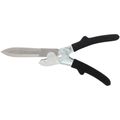


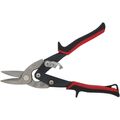
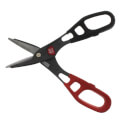
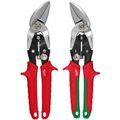
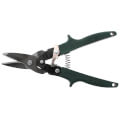
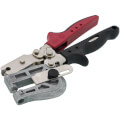
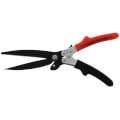
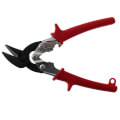
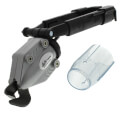
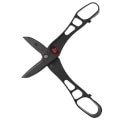
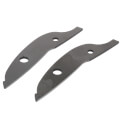
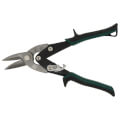
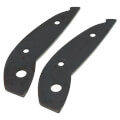
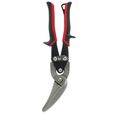
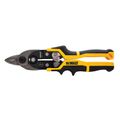
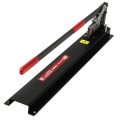
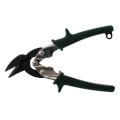
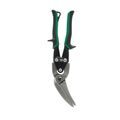
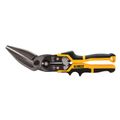
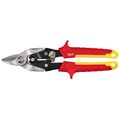
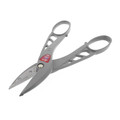
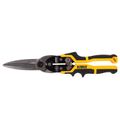
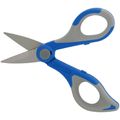
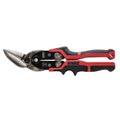
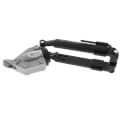
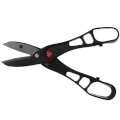
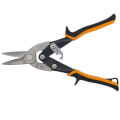
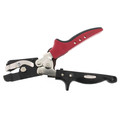
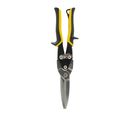
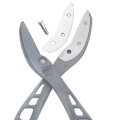
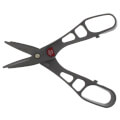
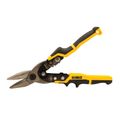


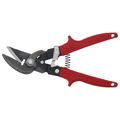
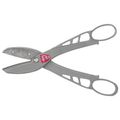
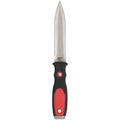
Snips and shears are hand-cutting tools used to cut sheet metal, duct board, and other thin materials on HVAC and construction job sites. Aviation snips, the most common style, come in straight-cut, left-cut, and right-cut versions distinguished by handle color, letting installers match the tool to the direction of the cut needed for ductwork fabrication. Offset and duckbill snips add reach and control for detail work like notching or cutting curves in sheet metal. Beyond aviation-style snips, heavier-duty shears handle thicker gauge metal or longer straight cuts that aviation snips aren't built for. HVAC installers, sheet metal fabricators, and general contractors all keep a set of snips on hand for fabricating and modifying ductwork, flashing, and other metal components on site. Blade sharpness and pivot tension both affect cutting performance over time, so replacing a worn pair keeps fabrication work clean and efficient.
Subcategories
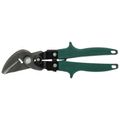
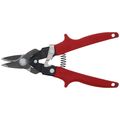
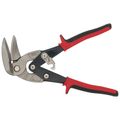
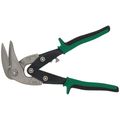
- Aviation Snips: Aviation snips are the standard cutting tool for sheet metal ductwork, available in straight-cut, left-cut, and right-cut versions. Color-coded handles, usually yellow for straight, red for left, and green for right, make it easy to grab the right tool for a given cut direction. Compound-action jaws multiply hand force at the blades, making it possible to cut sheet metal that would otherwise require far more effort. HVAC installers typically carry all three cut directions to handle straight runs, curves, and notches without switching tools.
- Offset & Duckbill Snips: Offset snips angle the handles away from the blade line, keeping hands clear of the metal surface during long or detailed cuts. Duckbill snips use a narrow, curved blade suited to cutting tight curves and intricate shapes in thin sheet metal. Both styles see frequent use in flashing work and detail fabrication where standard aviation snips are too bulky. Fabricators reach for these when a cut requires more control than raw cutting power.
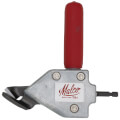
- Heavy-Duty & Bench Shears: Heavy-duty shears handle thicker gauge sheet metal or longer straight cuts than aviation snips are designed for. Bench-mounted shears anchor to a workbench, giving the leverage needed for repeated cuts on heavier material without hand fatigue. Metal fabrication shops and sheet metal contractors doing high-volume duct fabrication rely on these tools to keep production moving. Choosing the right shear for the material gauge prevents excess wear on both the tool and the blade edge.
Buying Guide
Cut direction is the first thing to check when choosing snips for ductwork fabrication. Straight-cut snips handle long, direct cuts, while left-cut and right-cut versions are built to curve in opposite directions without binding the blade in the material. A full Snips & Shears selection for a duct fabrication crew usually includes all three cut directions, since most jobs call for a mix of straight runs and curved cuts.
Material gauge matters just as much as cut direction. Standard aviation snips handle common HVAC sheet metal gauges without issue, but thicker gauge material or repeated heavy cutting wears blades down faster and can strain the compound-action mechanism. Stepping up to heavy-duty or bench shears for consistently thicker material keeps standard snips in better condition for lighter work.
Blade material and construction affect how long a pair holds an edge. Hardened alloy blades resist dulling better than basic carbon steel, which matters on jobs with heavy daily cutting. Comfort features like cushioned grips and spring-loaded jaws reduce hand fatigue over a full day of fabrication work, an important consideration for crews doing repetitive cutting.
Replacing snips before the blades go fully dull, rather than after, keeps cuts clean and reduces the physical effort needed to finish a job.
Frequently Asked Questions
What do the different handle colors on aviation snips mean?
Handle color indicates cut direction: yellow typically means straight-cut, red means left-cut, and green means right-cut. Left-cut snips curve to the left as they cut, and right-cut snips curve to the right, while straight-cut snips are built for direct, straight lines. Keeping all three on hand covers most ductwork cutting needs without switching tools mid-job.
Can aviation snips cut stainless steel?
Standard aviation snips can cut light-gauge stainless steel, but the harder material dulls blades faster than mild steel or aluminum. Heavier gauge stainless steel typically calls for a heavy-duty shear built for tougher material. Checking the manufacturer's gauge and material rating before cutting stainless steel prevents excess blade wear.
What's the difference between snips and shears?
Snips generally refer to smaller, handheld cutting tools like aviation snips used for detail and curved cuts. Shears usually describe larger, heavier tools built for thicker material or longer straight cuts, including bench-mounted versions. The terms overlap in everyday use, but tool size and intended material gauge are the practical difference on the job.
How often should snip blades be replaced or sharpened?
Blade life depends on the material being cut and how often the tool sees use, so there's no fixed replacement schedule. A dull blade shows up as increased hand effort, ragged cut edges, or the jaws slipping instead of shearing cleanly. Replacing a worn pair rather than pushing through with dull blades keeps fabrication work clean and reduces strain during repetitive cutting.
Are offset snips better than standard aviation snips for ductwork?
Offset snips aren't a replacement for standard aviation snips, but a complement suited to specific tasks like detail work and tight curves. Standard aviation snips still cover most straight and general curved cutting on a duct fabrication job. Keeping both styles available lets a crew match the tool to the specific cut instead of forcing one tool to do every job.
