




Filters
SORT
Product Availability –
Product Type –
Type –
Size –
Color –
Review Score –
 --%3E %3Csvg version='1.1' id='Fill' xmlns='http://www.w3.org/2000/svg' xmlns:xlink='http://www.w3.org/1999/xlink' x='0px' y='0px' viewBox='0 0 100 100' enable-background='new 0 0 100 100' xml:space='preserve'%3E %3Cpath fill='%23F15C02' d='M79.44,0.95H20.56C9.78,0.95,0.95,9.78,0.95,20.56v58.87c0,10.79,8.82,19.61,19.61,19.61h58.87 c10.79,0,19.61-8.83,19.61-19.61V20.56C99.05,9.78,90.22,0.95,79.44,0.95z M65.38,58.24l9.38,29.58L49.69,69.78L24.5,87.82 l9.34-29.6L8.8,39.6l30.73-0.17c0,0,6.98-19.61,10-28.93c0.54,1.36,9.88,29.1,9.88,29.1H91.2L65.38,58.24z'/%3E %3C/svg%3E)
 --%3E %3Csvg version='1.1' id='With-RB' xmlns='http://www.w3.org/2000/svg' xmlns:xlink='http://www.w3.org/1999/xlink' x='0px' y='0px' viewBox='0 0 100 100' enable-background='new 0 0 100 100' xml:space='preserve'%3E %3Cpath fill='%23FBC8B4' d='M79.44,0.95H20.56C9.78,0.95,0.95,9.78,0.95,20.56v58.87c0,10.79,8.82,19.61,19.61,19.61h58.87 c10.79,0,19.61-8.83,19.61-19.61V20.56C99.05,9.78,90.22,0.95,79.44,0.95z M65.38,58.24l9.38,29.58L49.69,69.78L24.5,87.82 l9.34-29.6L8.8,39.6l30.73-0.17c0,0,6.98-19.61,10-28.93c0.54,1.36,9.88,29.1,9.88,29.1H91.2L65.38,58.24z'/%3E %3C/svg%3E)
Price Range –
SpeediChannel Line Set Covers

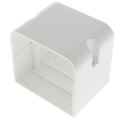
 --%3E %3Csvg version='1.1' id='No-RB' xmlns='http://www.w3.org/2000/svg' xmlns:xlink='http://www.w3.org/1999/xlink' x='0px' y='0px' viewBox='0 0 100 100' enable-background='new 0 0 100 100' xml:space='preserve'%3E %3Cpath fill='%23CECECE' d='M79.44,0.95H20.56C9.78,0.95,0.95,9.78,0.95,20.56v58.87c0,10.79,8.82,19.61,19.61,19.61h58.87 c10.79,0,19.61-8.83,19.61-19.61V20.56C99.05,9.78,90.22,0.95,79.44,0.95z M65.38,58.24l9.38,29.58L49.69,69.78L24.5,87.82 l9.34-29.6L8.8,39.6l30.73-0.17c0,0,6.98-19.61,10-28.93c0.54,1.36,9.88,29.1,9.88,29.1H91.2L65.38,58.24z'/%3E %3C/svg%3E)

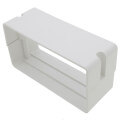
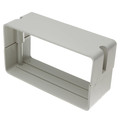
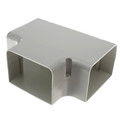
 --%3E %3Csvg version='1.1' id='Half' xmlns='http://www.w3.org/2000/svg' xmlns:xlink='http://www.w3.org/1999/xlink' x='0px' y='0px' viewBox='0 0 100 100' enable-background='new 0 0 100 100' xml:space='preserve'%3E %3Cg%3E %3Cpath fill='%23F15C02' d='M30.05,70.23l3.79-12.01L8.8,39.6l30.73-0.17c0,0,6.98-19.61,10-28.93c0.54,1.36,9.88,29.1,9.88,29.1h1.58 L93.71,7.18c-3.58-3.82-8.66-6.23-14.28-6.23H20.56C9.78,0.95,0.95,9.78,0.95,20.56v58.87c0,5.41,2.22,10.32,5.79,13.88 L30.05,70.23z'/%3E %3C/g%3E %3Cpath fill='%23FBC8B4' d='M93.71,7.18L60.98,39.6H91.2L65.38,58.24l9.38,29.58L49.69,69.78L24.5,87.82l5.55-17.59L6.75,93.32 c3.55,3.54,8.44,5.73,13.82,5.73h58.87c10.79,0,19.61-8.83,19.61-19.61V20.56C99.05,15.4,97.01,10.69,93.71,7.18z'/%3E %3C/svg%3E)
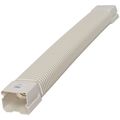
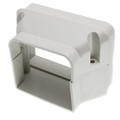
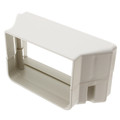
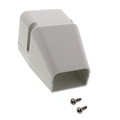
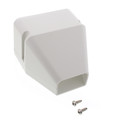
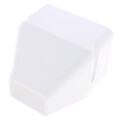
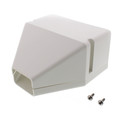
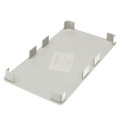
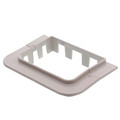
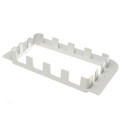
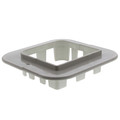
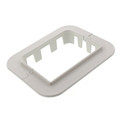
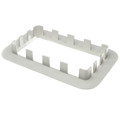
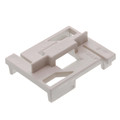
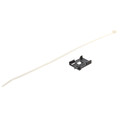
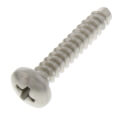
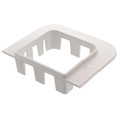
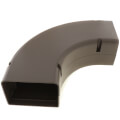
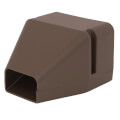
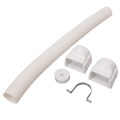
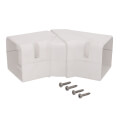
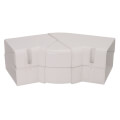
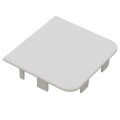
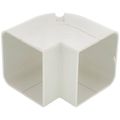
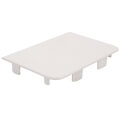
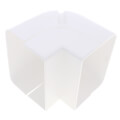
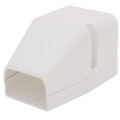
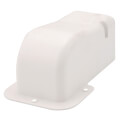
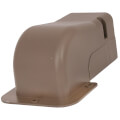
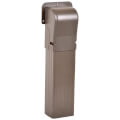
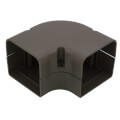
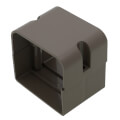
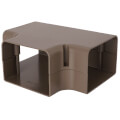
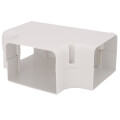
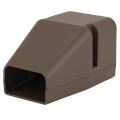
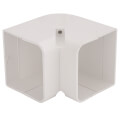
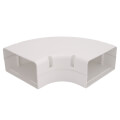
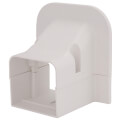
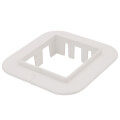

SpeediChannel line set covers are PVC channel systems that conceal and protect the refrigerant lines, condensate drain, and electrical wiring running between an outdoor condenser and an indoor ductless or mini-split unit. The cover system consists of a wall channel, corner and coupling fittings, and an end cap that together route line sets along an exterior wall without the lines being exposed to weather or physical damage. Installers cut the channel to length on site and join sections using solvent cement or snap-fit couplings depending on the specific fitting type. Color options are typically limited to a small number of finishes meant to blend with common siding and stucco colors. Because the cover conceals multiple lines at once, planning the full route before cutting channel sections reduces waste and keeps fitting counts to a minimum.
Subcategories
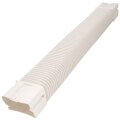
- Wall Channel and Straight Sections: Wall channel sections form the main body of the cover system and run in straight lengths along the exterior wall between the condenser and the wall penetration. Installers cut these sections to the exact route length on site rather than ordering pre-cut pieces for most jobs. Matching channel width to the number and diameter of lines being routed keeps everything enclosed without forcing lines together. Standard lengths cover most single and multi-zone routing distances with minimal seams.
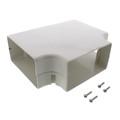
- Corner and Elbow Fittings: Corner and elbow fittings join channel sections at wall corners or where the route changes direction, and come in inside-corner, outside-corner, and offset configurations. Selecting the correct fitting type for each direction change keeps the finished run looking continuous rather than pieced together. Installers should measure each corner angle before ordering, since most fittings are built for standard 90-degree corners. Mismatched fittings at irregular corners often require field modification.
- Wall Entry and End Fittings: Wall entry fittings seal the point where line sets pass through an exterior wall into the indoor unit location, while end fittings cap off a channel run at the condenser end. A properly sealed wall entry fitting keeps moisture and pests from entering the wall cavity around the penetration. Installers should caulk or seal around the wall entry fitting in addition to using the fitting itself for best weather protection. End fittings are typically installed last, after all lines are routed and connected.
- Mounting Hardware and Accessories: Mounting hardware includes the screws, clips, and adhesive backing used to secure channel sections to different wall surfaces such as vinyl siding, stucco, or masonry. Choosing hardware rated for the specific wall surface keeps the cover secure through temperature swings that cause PVC to expand and contract. Installers should space mounting points according to manufacturer spacing guidance rather than stretching intervals to save hardware. Touch-up paint and color-matched caulk are also available for finishing exposed cut edges.
Buying Guide
Planning a SpeediChannel Line Set Covers installation starts with measuring the full route from the condenser to the wall penetration, including every corner, so the right mix of straight channel and corner fittings can be ordered together rather than in a second trip. Channel width should be selected based on the total number and diameter of lines being routed, since a channel sized for a single-zone system may not have room for the extra lines a multi-zone installation requires. Matching the cover's color to the building's exterior finish is largely a cosmetic decision, but confirming the color option before the job starts avoids a mismatched appearance if a substitute has to be used. Wall surface matters when selecting mounting hardware, since vinyl siding, stucco, and masonry each call for different fasteners or adhesive approaches to keep the channel secure over time. Sealing the wall entry fitting properly, including caulking around its perimeter, protects against moisture intrusion at the penetration point regardless of how well the rest of the run is installed. Leaving a small amount of slack in the line sets inside the channel, where the manufacturer's instructions allow it, accommodates thermal expansion without stressing joints at the fittings. Ordering slightly more channel than the measured route length accounts for cutting waste and any last-minute route adjustments.
Frequently Asked Questions
What does a line set cover protect against?
A line set cover protects refrigerant lines, condensate drain tubing, and electrical wiring from UV exposure, physical impact, and pest intrusion along an exterior wall run. It also improves the finished appearance of the installation compared to exposed lines. Covering the full route from condenser to wall penetration gives the most complete protection.
How do I choose the right channel width?
Channel width should be sized to the total number and diameter of lines being routed together, including refrigerant lines, condensate tubing, and any control wiring. A channel that's too narrow won't close properly over all the lines. Checking manufacturer sizing charts against the actual line count for the job confirms the right width.
Can line set covers be painted to match a building's exterior?
Many line set covers can be painted after installation using paint rated for PVC, in addition to the manufacturer's standard color options. Confirming paint compatibility with the specific cover material before painting avoids adhesion problems. Manufacturer color options are usually the simpler choice when an available color already matches the building.
What fittings are needed for a run with multiple corners?
Runs with multiple direction changes need corner or elbow fittings matched to each corner's angle, typically inside-corner, outside-corner, or offset configurations. Measuring each corner before ordering avoids field modification of fittings built for standard angles. Planning the full route before purchase keeps fitting counts accurate.
How is the wall entry point sealed against moisture?
A dedicated wall entry fitting routes lines through the wall while sealing around the penetration, and installers typically add caulk around the fitting's perimeter for additional protection. Skipping the sealant step can allow moisture to reach the wall cavity even with the fitting installed. Sealing this point properly is one of the most important steps in the installation.
