



Plumbing Tools & Equipment
Plumbing tools and equipment cover the powered and hand tools plumbers use across rough-in, service, and repair work, from cordless platforms like Milwaukee's M12 and M18 systems to Ridgid's pipe wrenches, cutters, and threading equipment.
Press fitting tools have become a standard part of many plumbers' toolkits since they let a technician make a solderless copper connection in seconds. Drain cleaning equipment and soldering supplies round out the category for the tasks that come up on nearly every plumbing service call.












Milwaukee Electric Tools include the M12 and M18 cordless platforms used extensively in plumbing, with models covering screw drivers, drill drivers, hex drivers, grease guns, and reciprocating saws. The M12 HACKZALL provides compact reciprocating saw capability in tight spaces. The M12 cordless grease gun delivers over 8,000 psi max operating pressure and dispenses up to seven cartridges per charge. Milwaukee tools run on lithium-ion battery platforms shared across the full M12 and M18 product lines.
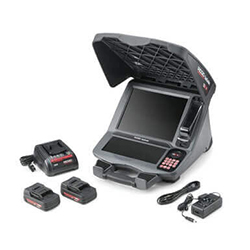
Ridgid Tools include pipe wrenches, pipe cutters, threading equipment, and drain cleaning machines that have been standard in the plumbing trade for decades. Ridgid pipe cutters are available in sizes from small tubing cutters for 1/8 inch copper through large capacity cutters for steel pipe. Ridgid drain cleaning equipment covers hand spinners, drum machines, and electric drain augers for residential and light commercial clearing work.
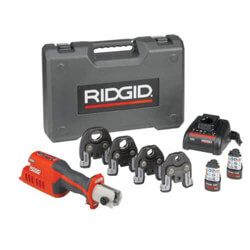
Copper Press Tools & Jaws enable solderless copper pipe connections using a press fitting system that crimps a specially designed fitting around the pipe with a powered pressing tool. Press connections are faster than soldering, eliminate open flame, and can be made on wet pipe. Press tools are available as standalone tools and as jaw attachments for compatible battery-powered pressing tools. Jaws must be matched to the fitting series and pipe diameter for a proper connection.
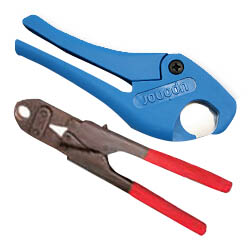
Pipe & Tubing Tools (Metal) include cutters, reamers, deburring tools, and benders for working with copper, steel, and stainless tubing. Proper deburring after cutting is critical for avoiding flow restrictions and ensuring fittings seat fully. Tubing benders allow copper and soft metal tubing to be formed into curves without kinking. Pipe reamers restore the inner diameter of cut pipe ends that have been distorted during cutting.
Drain Cleaners range from manual drain snakes for clearing household clogs to electric drum machines for clearing main line blockages. Drain cleaning equipment is selected based on the drain diameter, the type of obstruction, and the drain length to be reached. Hand spinners work for short runs and light clogs in fixture drains. Electric drum machines with cable diameters matched to the drain size are required for clearing main line stoppages and root intrusions in larger diameter pipes.
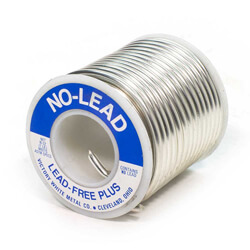
Soldering Supplies include torches, solder, flux, and related consumables for joining copper pipe and fittings using the sweat soldering method. Soldering remains the standard joining method for copper in many applications. The quality of the flux application and the cleanliness of the pipe and fitting surfaces directly affect joint integrity. Lead-free solder is required for potable water systems in all US jurisdictions.
Tool selection starts with the connection type required by the job. PEX systems use crimp, clamp, or expansion fittings, each requiring a different tool. Copper press fittings require a press tool with the correct jaw for the fitting manufacturer and pipe size. Soldered copper joints require a torch and correct solder and flux. Mixing tool types within a connection system creates compatibility issues and potential leak points.
Battery platform compatibility matters when building a tool set over time. Milwaukee M12 and M18 tools share batteries within each platform but not across them. Standardizing on one brand's cordless platform reduces the number of chargers and battery packs required.
Drain cleaning equipment must be matched to the drain diameter and type of blockage. Hand spinners are appropriate for fixture drains up to 2 inches with soft clogs. Electric drum machines with the correct cable diameter are needed for 3-inch and 4-inch main drains and for cutting through root intrusions.
Press tool jaw selection depends on the fitting brand and pipe diameter. Press fittings from different manufacturers use different jaw geometries. Always confirm that the jaw set matches the fitting manufacturer's specification before pressing a connection.
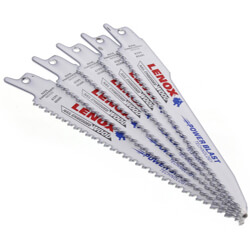
Pipe cutting tools must be appropriate for the material. Copper tubing cutters should not be used on steel or CPVC. Steel pipe requires a pipe threading machine or hacksaw with appropriate blades. PVC and CPVC cuts must be square and deburred before fittings are installed.
What's the difference between M12 and M18 Milwaukee tools for plumbing?
The Milwaukee M12 platform uses a 12-volt battery and is designed for compact, lightweight tools suited to tight spaces. The M18 platform uses an 18-volt battery and delivers more power for heavier applications like large drill drivers and press tools. Both platforms have plumbing-specific tools, and the choice typically comes down to the power requirement of the task and the preference for a lighter tool in confined spaces.
Do I need a dedicated press tool for copper press fittings?
Yes, copper press fittings require a compatible pressing tool with the correct jaw for the fitting size and brand. The jaw must match both the fitting manufacturer's specification and the pipe diameter. A standard crimping tool used for PEX is not compatible with copper press fittings. Pressing a copper fitting without the correct tool and jaw will result in an incomplete seal that can fail under pressure.
When should I use a drain machine instead of a hand snake?
A hand snake is appropriate for clearing soft clogs in fixture drains up to 2 inches in diameter. A drain machine is needed for longer runs, larger diameter drains, and harder blockages including root intrusions in main lines. Any clog in a 3-inch or 4-inch drain or any blockage more than 10 feet from the cleanout access point calls for a drum machine with an appropriately sized cutting cable.
Is lead-free solder required for plumbing?
Yes, lead-free solder is required by law for all potable water systems in the United States. The Safe Drinking Water Act requires that any solder used in potable water plumbing contain no more than 0.2 percent lead. Lead-free solder requires higher temperatures to flow properly and requires flux specifically formulated for lead-free applications.
Can press fittings be made on wet pipe?
Yes, one of the primary advantages of copper press fittings over soldering is that press connections can be made on damp or wet pipe. Soldering requires the pipe to be completely dry because any moisture will turn to steam during heating and prevent the solder from flowing. Press fittings use a mechanical crimp that is not affected by moisture inside the pipe, making them particularly useful for service calls where draining the system is not practical.
Resources
Milwaukee Electric Tools include the M12 and M18 cordless platforms used extensively in plumbing, with models covering screw drivers, drill drivers, hex drivers, grease guns, and reciprocating saws. The M12 HACKZALL provides compact reciprocating saw capability in tight spaces. The M12 cordless grease gun delivers over 8,000 psi max operating pressure and dispenses up to seven cartridges per charge. Milwaukee tools run on lithium-ion battery platforms shared across the full M12 and M18 product lines.
Ridgid Tools include pipe wrenches, pipe cutters, threading equipment, and drain cleaning machines that have been standard in the plumbing trade for decades. Ridgid pipe cutters are available in sizes from small tubing cutters for 1/8 inch copper through large capacity cutters for steel pipe. Ridgid drain cleaning equipment covers hand spinners, drum machines, and electric drain augers for residential and light commercial clearing work.
Copper Press Tools & Jaws enable solderless copper pipe connections using a press fitting system that crimps a specially designed fitting around the pipe with a powered pressing tool. Press connections are faster than soldering, eliminate open flame, and can be made on wet pipe. Press tools are available as standalone tools and as jaw attachments for compatible battery-powered pressing tools. Jaws must be matched to the fitting series and pipe diameter for a proper connection.
Pipe & Tubing Tools (Metal) include cutters, reamers, deburring tools, and benders for working with copper, steel, and stainless tubing. Proper deburring after cutting is critical for avoiding flow restrictions and ensuring fittings seat fully. Tubing benders allow copper and soft metal tubing to be formed into curves without kinking. Pipe reamers restore the inner diameter of cut pipe ends that have been distorted during cutting.
Drain Cleaners range from manual drain snakes for clearing household clogs to electric drum machines for clearing main line blockages. Drain cleaning equipment is selected based on the drain diameter, the type of obstruction, and the drain length to be reached. Hand spinners work for short runs and light clogs in fixture drains. Electric drum machines with cable diameters matched to the drain size are required for clearing main line stoppages and root intrusions in larger diameter pipes.
Soldering Supplies include torches, solder, flux, and related consumables for joining copper pipe and fittings using the sweat soldering method. Soldering remains the standard joining method for copper in many applications. The quality of the flux application and the cleanliness of the pipe and fitting surfaces directly affect joint integrity. Lead-free solder is required for potable water systems in all US jurisdictions.
Tool selection starts with the connection type required by the job. PEX systems use crimp, clamp, or expansion fittings, each requiring a different tool. Copper press fittings require a press tool with the correct jaw for the fitting manufacturer and pipe size. Soldered copper joints require a torch and correct solder and flux. Mixing tool types within a connection system creates compatibility issues and potential leak points.
Battery platform compatibility matters when building a tool set over time. Milwaukee M12 and M18 tools share batteries within each platform but not across them. Standardizing on one brand's cordless platform reduces the number of chargers and battery packs required.
Drain cleaning equipment must be matched to the drain diameter and type of blockage. Hand spinners are appropriate for fixture drains up to 2 inches with soft clogs. Electric drum machines with the correct cable diameter are needed for 3-inch and 4-inch main drains and for cutting through root intrusions.
Press tool jaw selection depends on the fitting brand and pipe diameter. Press fittings from different manufacturers use different jaw geometries. Always confirm that the jaw set matches the fitting manufacturer's specification before pressing a connection.
Pipe cutting tools must be appropriate for the material. Copper tubing cutters should not be used on steel or CPVC. Steel pipe requires a pipe threading machine or hacksaw with appropriate blades. PVC and CPVC cuts must be square and deburred before fittings are installed.
What's the difference between M12 and M18 Milwaukee tools for plumbing?
The Milwaukee M12 platform uses a 12-volt battery and is designed for compact, lightweight tools suited to tight spaces. The M18 platform uses an 18-volt battery and delivers more power for heavier applications like large drill drivers and press tools. Both platforms have plumbing-specific tools, and the choice typically comes down to the power requirement of the task and the preference for a lighter tool in confined spaces.
Do I need a dedicated press tool for copper press fittings?
Yes, copper press fittings require a compatible pressing tool with the correct jaw for the fitting size and brand. The jaw must match both the fitting manufacturer's specification and the pipe diameter. A standard crimping tool used for PEX is not compatible with copper press fittings. Pressing a copper fitting without the correct tool and jaw will result in an incomplete seal that can fail under pressure.
When should I use a drain machine instead of a hand snake?
A hand snake is appropriate for clearing soft clogs in fixture drains up to 2 inches in diameter. A drain machine is needed for longer runs, larger diameter drains, and harder blockages including root intrusions in main lines. Any clog in a 3-inch or 4-inch drain or any blockage more than 10 feet from the cleanout access point calls for a drum machine with an appropriately sized cutting cable.
Is lead-free solder required for plumbing?
Yes, lead-free solder is required by law for all potable water systems in the United States. The Safe Drinking Water Act requires that any solder used in potable water plumbing contain no more than 0.2 percent lead. Lead-free solder requires higher temperatures to flow properly and requires flux specifically formulated for lead-free applications.
Can press fittings be made on wet pipe?
Yes, one of the primary advantages of copper press fittings over soldering is that press connections can be made on damp or wet pipe. Soldering requires the pipe to be completely dry because any moisture will turn to steam during heating and prevent the solder from flowing. Press fittings use a mechanical crimp that is not affected by moisture inside the pipe, making them particularly useful for service calls where draining the system is not practical.