




Filters
SORT
Product Availability –
Size –
Inlet Type –
Outlet Type –
Max Pressure (PSI) –
Min Pressure (PSI) –
Review Score –
 --%3E %3Csvg version='1.1' id='Fill' xmlns='http://www.w3.org/2000/svg' xmlns:xlink='http://www.w3.org/1999/xlink' x='0px' y='0px' viewBox='0 0 100 100' enable-background='new 0 0 100 100' xml:space='preserve'%3E %3Cpath fill='%23F15C02' d='M79.44,0.95H20.56C9.78,0.95,0.95,9.78,0.95,20.56v58.87c0,10.79,8.82,19.61,19.61,19.61h58.87 c10.79,0,19.61-8.83,19.61-19.61V20.56C99.05,9.78,90.22,0.95,79.44,0.95z M65.38,58.24l9.38,29.58L49.69,69.78L24.5,87.82 l9.34-29.6L8.8,39.6l30.73-0.17c0,0,6.98-19.61,10-28.93c0.54,1.36,9.88,29.1,9.88,29.1H91.2L65.38,58.24z'/%3E %3C/svg%3E)
 --%3E %3Csvg version='1.1' id='With-RB' xmlns='http://www.w3.org/2000/svg' xmlns:xlink='http://www.w3.org/1999/xlink' x='0px' y='0px' viewBox='0 0 100 100' enable-background='new 0 0 100 100' xml:space='preserve'%3E %3Cpath fill='%23FBC8B4' d='M79.44,0.95H20.56C9.78,0.95,0.95,9.78,0.95,20.56v58.87c0,10.79,8.82,19.61,19.61,19.61h58.87 c10.79,0,19.61-8.83,19.61-19.61V20.56C99.05,9.78,90.22,0.95,79.44,0.95z M65.38,58.24l9.38,29.58L49.69,69.78L24.5,87.82 l9.34-29.6L8.8,39.6l30.73-0.17c0,0,6.98-19.61,10-28.93c0.54,1.36,9.88,29.1,9.88,29.1H91.2L65.38,58.24z'/%3E %3C/svg%3E)
Price Range –
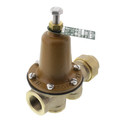
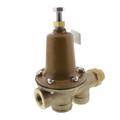
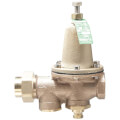
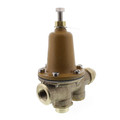
Watts 25AUB Pressure Valves


 --%3E %3Csvg version='1.1' id='No-RB' xmlns='http://www.w3.org/2000/svg' xmlns:xlink='http://www.w3.org/1999/xlink' x='0px' y='0px' viewBox='0 0 100 100' enable-background='new 0 0 100 100' xml:space='preserve'%3E %3Cpath fill='%23CECECE' d='M79.44,0.95H20.56C9.78,0.95,0.95,9.78,0.95,20.56v58.87c0,10.79,8.82,19.61,19.61,19.61h58.87 c10.79,0,19.61-8.83,19.61-19.61V20.56C99.05,9.78,90.22,0.95,79.44,0.95z M65.38,58.24l9.38,29.58L49.69,69.78L24.5,87.82 l9.34-29.6L8.8,39.6l30.73-0.17c0,0,6.98-19.61,10-28.93c0.54,1.36,9.88,29.1,9.88,29.1H91.2L65.38,58.24z'/%3E %3C/svg%3E)
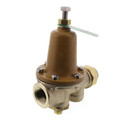

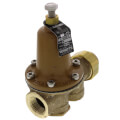
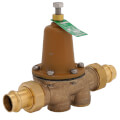
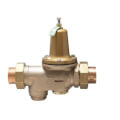
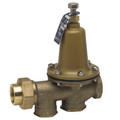
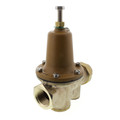
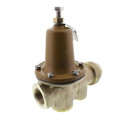
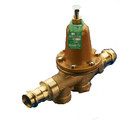
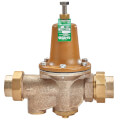
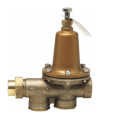
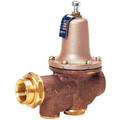
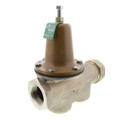
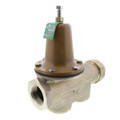
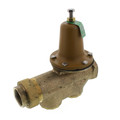
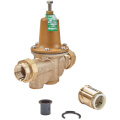


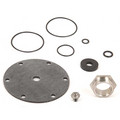
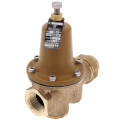
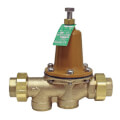
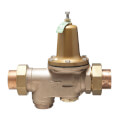
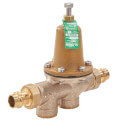

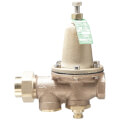
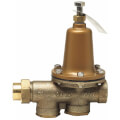
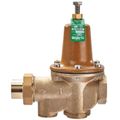
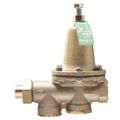
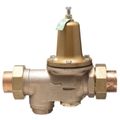
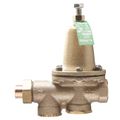
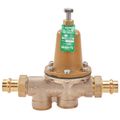
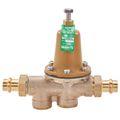
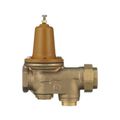

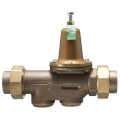
Watts 25AUB Pressure Valves reduce incoming water pressure at the point where a main enters a building, protecting downstream fixtures, water heaters, and appliances from damage caused by excessive city or well pressure. The 25AUB line is a bronze-body pressure reducing valve with a union inlet and an integral stainless steel strainer, adjustable across a 25 to 75 psi range with a standard factory setting of 50 psi and a maximum working pressure of 300 psi. Plumbers install these valves on both new construction and retrofit jobs anywhere incoming pressure runs high enough to stress pipe joints, valves, and fixture supply lines over time. A built-in strainer catches sediment before it reaches the reducing mechanism, which keeps the valve working accurately for longer between service visits. Choosing the right Watts 25AUB Pressure Valves connection type for the supply line in use keeps pressure consistent throughout a building's plumbing system.
Subcategories
- Threaded Watts 25AUB Valves: Threaded models use NPT connections and suit jobs where the existing supply line already terminates in threaded pipe, common on commercial retrofits and older residential systems. A plumber can install a threaded valve without disturbing a nearby soldered joint, which speeds up a service call. The adjustable 25 to 75 psi range and bronze body carry over from the rest of the 25AUB line regardless of connection style.
- Sweat Watts 25AUB Valves: Sweat connection valves solder directly onto copper supply lines and are common on new residential construction where the plumber is already sweating joints throughout the system. Keeping the connection type consistent with the rest of the copper run avoids adding a threaded adapter that becomes another potential leak point. The internal reducing mechanism and stainless strainer stay identical across every connection type in the line.
- PEX and Quick-Connect Watts 25AUB Valves: PEX and quick-connect models let a contractor tie a pressure reducing valve directly into a PEX manifold or crimped supply line without a torch on site. Remodel and repipe jobs favor this connection style because it speeds installation in tight spaces near an electrical panel or other fire-sensitive area. Adjustable range and strainer protection remain unchanged from the threaded and sweat versions.
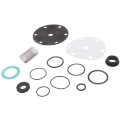
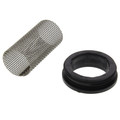
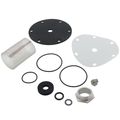
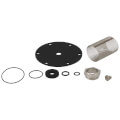
- Watts 25AUB Replacement Strainers and Cartridges: The integral stainless steel strainer on a 25AUB valve is a serviceable part, and a clogged strainer is one of the most common reasons pressure downstream starts drifting from the set point. Replacing the strainer or internal cartridge restores accurate pressure control without removing the entire valve body from the line. Keeping a spare cartridge on the truck cuts down on a second trip for a straightforward maintenance call.
Buying Guide
Selecting the right Watts 25AUB Pressure Valves starts with matching connection type to the existing supply line, since the family covers threaded, sweat, PEX, quick-connect, and CPVC options in both union and double union configurations. Matching the valve to the existing pipe material saves the labor of adding a transition fitting that becomes another potential leak point later. Setting outlet pressure correctly matters as much as the connection choice itself: the Watts 25AUB Pressure Valves adjust across a 25 to 75 psi range with a 50 psi factory setting, and dialing pressure too high defeats the purpose of installing the valve in the first place while setting it too low can leave upper floors under-pressured in a multi-story building. Confirming incoming static pressure with a gauge before installation is worthwhile even though the line carries a 300 psi maximum working pressure rating, since unusually high static pressure on an unfamiliar system is worth knowing about ahead of time. The integral strainer needs periodic cleaning or replacement in areas with sediment-heavy well or municipal water, and skipping that maintenance is one of the more common reasons a correctly installed valve starts underperforming within its first few years. Union connections on most models also simplify future service, letting a plumber pull the valve for cleaning or adjustment without cutting into the surrounding pipe.
Frequently Asked Questions
What pressure should a Watts 25AUB valve be set to?
The 25AUB line ships from the factory set to 50 psi, which works for most residential and light commercial applications. Adjusting the valve anywhere within its 25 to 75 psi range is possible using the top adjustment screw, and the correct setting depends on building height and fixture requirements. Checking pressure at the farthest fixture from the valve after adjustment confirms the setting is working as intended throughout the building.
Does the Watts 25AUB valve need its strainer cleaned regularly?
The integral stainless steel strainer catches sediment before it reaches the reducing mechanism, and a clogged strainer is one of the more common causes of pressure drift on an otherwise properly installed valve. Water with heavy sediment, whether from an older municipal main or a private well, calls for more frequent strainer checks than clean city water. Cleaning or replacing the strainer typically does not require removing the entire valve body from the line.
What connection types are available for the Watts 25AUB?
The line covers threaded, solder, PEX, quick-connect, and CPVC connections in both union and double union configurations, so a contractor can usually match the valve directly to whatever pipe material is already in place. Matching connection type to the existing line avoids adding a transition fitting that becomes another potential leak point. Union configurations on many models also simplify future service without cutting the surrounding pipe.
What is the maximum incoming pressure the Watts 25AUB can handle?
The valve is rated for a maximum working pressure of 300 psi on the inlet side, well above what most municipal or well systems deliver under normal conditions. That headroom protects the valve itself even on systems with unusually high static pressure before the reducing mechanism brings output down to the adjustable range. Confirming incoming pressure with a gauge before installation is still good practice on any unfamiliar system.
Can the Watts 25AUB be installed on a hot water line?
The 25AUB includes a reinforced diaphragm built for hot water service in addition to standard cold-water installation. Installing the valve on the cold supply ahead of the water heater is still the more common configuration for whole-building pressure reduction. Where a hot-side installation is needed, checking the specific model's rating against the application avoids a mismatch.
