




Filters
SORT
Product Availability –
Category –
Application –
Size –
Connection Type –
Connection Method –
Max Temp (F) –
Min Temp (F) –
Review Score –
 --%3E %3Csvg version='1.1' id='Fill' xmlns='http://www.w3.org/2000/svg' xmlns:xlink='http://www.w3.org/1999/xlink' x='0px' y='0px' viewBox='0 0 100 100' enable-background='new 0 0 100 100' xml:space='preserve'%3E %3Cpath fill='%23F15C02' d='M79.44,0.95H20.56C9.78,0.95,0.95,9.78,0.95,20.56v58.87c0,10.79,8.82,19.61,19.61,19.61h58.87 c10.79,0,19.61-8.83,19.61-19.61V20.56C99.05,9.78,90.22,0.95,79.44,0.95z M65.38,58.24l9.38,29.58L49.69,69.78L24.5,87.82 l9.34-29.6L8.8,39.6l30.73-0.17c0,0,6.98-19.61,10-28.93c0.54,1.36,9.88,29.1,9.88,29.1H91.2L65.38,58.24z'/%3E %3C/svg%3E)
 --%3E %3Csvg version='1.1' id='With-RB' xmlns='http://www.w3.org/2000/svg' xmlns:xlink='http://www.w3.org/1999/xlink' x='0px' y='0px' viewBox='0 0 100 100' enable-background='new 0 0 100 100' xml:space='preserve'%3E %3Cpath fill='%23FBC8B4' d='M79.44,0.95H20.56C9.78,0.95,0.95,9.78,0.95,20.56v58.87c0,10.79,8.82,19.61,19.61,19.61h58.87 c10.79,0,19.61-8.83,19.61-19.61V20.56C99.05,9.78,90.22,0.95,79.44,0.95z M65.38,58.24l9.38,29.58L49.69,69.78L24.5,87.82 l9.34-29.6L8.8,39.6l30.73-0.17c0,0,6.98-19.61,10-28.93c0.54,1.36,9.88,29.1,9.88,29.1H91.2L65.38,58.24z'/%3E %3C/svg%3E)
Price Range –
Watts Mixing Valves




 --%3E %3Csvg version='1.1' id='No-RB' xmlns='http://www.w3.org/2000/svg' xmlns:xlink='http://www.w3.org/1999/xlink' x='0px' y='0px' viewBox='0 0 100 100' enable-background='new 0 0 100 100' xml:space='preserve'%3E %3Cpath fill='%23CECECE' d='M79.44,0.95H20.56C9.78,0.95,0.95,9.78,0.95,20.56v58.87c0,10.79,8.82,19.61,19.61,19.61h58.87 c10.79,0,19.61-8.83,19.61-19.61V20.56C99.05,9.78,90.22,0.95,79.44,0.95z M65.38,58.24l9.38,29.58L49.69,69.78L24.5,87.82 l9.34-29.6L8.8,39.6l30.73-0.17c0,0,6.98-19.61,10-28.93c0.54,1.36,9.88,29.1,9.88,29.1H91.2L65.38,58.24z'/%3E %3C/svg%3E)
 --%3E %3Csvg version='1.1' id='Half' xmlns='http://www.w3.org/2000/svg' xmlns:xlink='http://www.w3.org/1999/xlink' x='0px' y='0px' viewBox='0 0 100 100' enable-background='new 0 0 100 100' xml:space='preserve'%3E %3Cg%3E %3Cpath fill='%23F15C02' d='M30.05,70.23l3.79-12.01L8.8,39.6l30.73-0.17c0,0,6.98-19.61,10-28.93c0.54,1.36,9.88,29.1,9.88,29.1h1.58 L93.71,7.18c-3.58-3.82-8.66-6.23-14.28-6.23H20.56C9.78,0.95,0.95,9.78,0.95,20.56v58.87c0,5.41,2.22,10.32,5.79,13.88 L30.05,70.23z'/%3E %3C/g%3E %3Cpath fill='%23FBC8B4' d='M93.71,7.18L60.98,39.6H91.2L65.38,58.24l9.38,29.58L49.69,69.78L24.5,87.82l5.55-17.59L6.75,93.32 c3.55,3.54,8.44,5.73,13.82,5.73h58.87c10.79,0,19.61-8.83,19.61-19.61V20.56C99.05,15.4,97.01,10.69,93.71,7.18z'/%3E %3C/svg%3E)

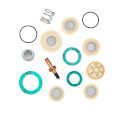

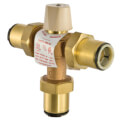
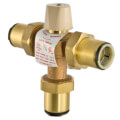
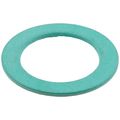
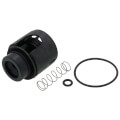
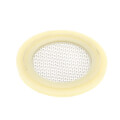

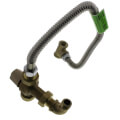
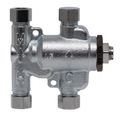






Watts mixing valves blend hot and cold water, or hot supply and return water in a heating loop, to deliver a controlled output temperature at a fixed point downstream. Plumbers and heating contractors install them to protect occupants from scald hazards at fixtures, to extend the life of a boiler by tempering return water, or to hold a hydronic loop at a target temperature regardless of upstream fluctuations. The valve senses outlet temperature and adjusts the ratio of hot to cold input automatically, maintaining a steady set point even as supply temperatures or flow demand shift. Some models are set once during installation and rarely touched again, while others include an adjustable dial that lets a technician change the target temperature as needs change. Choosing the right valve depends on the application, whether that's a domestic hot water fixture, a boiler protection loop, or a radiant heating manifold.
Subcategories
- Thermostatic Mixing Valves: Thermostatic mixing valves use an internal temperature-sensing element to automatically adjust the hot and cold blend, holding the outlet temperature steady even when supply pressure or temperature varies. Plumbers install these at point-of-use fixtures or master mixing stations to guard against scalding. Because the sensing element reacts quickly to temperature swings, these valves respond faster to upstream changes than a fixed-ratio design. Regular fixtures in healthcare and multi-family housing often specify this style for code compliance.
- Boiler Protection and Return Water Mixing Valves: Boiler protection valves blend hot supply water with cooler return water to keep the water entering the boiler above the temperature where condensation and corrosion become a problem. Heating contractors install these on boiler piping to extend equipment life, particularly on cast iron boilers sensitive to low return temperatures. The valve typically holds a fixed minimum return temperature rather than a variable set point. This application differs from fixture mixing valves, which focus on occupant safety rather than equipment protection.
- Radiant and Hydronic Loop Mixing Valves: Radiant and hydronic loop mixing valves temper high-temperature boiler water down to the lower supply temperature that radiant floor tubing or low-temperature baseboard requires. Installers place these at the manifold or near the boiler to protect flooring and tubing rated for a specific maximum temperature. Because radiant systems typically run at lower temperatures than baseboard or fin-tube heat, using the correct mixing valve prevents overheating the floor assembly. Some models include a built-in circulator to move water through the mixed loop.
Buying Guide
Selecting a mixing valve starts with identifying the application, since a fixture-safety valve, a boiler protection valve, and a radiant loop valve are built around different priorities even though they all blend hot and cold water streams. For fixture applications, checking local plumbing code for required outlet temperature limits comes first, since many jurisdictions mandate a maximum temperature at showers, tubs, and lavatories in certain building types. Flow capacity needs to match the fixture or loop demand, since an undersized valve can restrict flow or fail to maintain its set temperature under peak demand. Connection size and type, whether threaded, sweat, or union, should match the existing piping to avoid extra adapters during installation. For boiler protection applications, confirming the minimum return temperature the boiler manufacturer requires helps select a valve set to the correct fixed point rather than guessing. Radiant and hydronic loop valves should be sized to the loop's flow rate and matched to the tubing or baseboard manufacturer's maximum supply temperature rating. Response speed matters more in some applications than others: a fixture safety valve benefits from a fast-reacting thermostatic element, while a boiler protection valve holding a steady fixed point doesn't need the same responsiveness. Reviewing whether the valve needs periodic recalibration or can be set once and left alone helps set expectations for ongoing maintenance after installation.
Frequently Asked Questions
What is the difference between a thermostatic mixing valve and a boiler protection valve?
A thermostatic mixing valve focuses on occupant safety, blending hot and cold water to hold a safe outlet temperature at a fixture. A boiler protection valve instead blends boiler supply water with cooler return water to keep the water entering the boiler above a minimum safe temperature, protecting the equipment rather than a person. The two serve different purposes even though both are mixing valves.
Why do radiant heating systems need a mixing valve?
Radiant floor tubing and some baseboard systems are rated for a lower maximum supply temperature than a boiler typically produces, so a mixing valve tempers the hotter boiler water down to a safe range before it enters the radiant loop. Without this tempering, the floor assembly or tubing could overheat. The valve is usually installed at the manifold or near the boiler.
How does a thermostatic mixing valve respond to temperature changes?
An internal temperature-sensing element continuously adjusts the ratio of hot to cold water entering the valve, holding the outlet at a steady set temperature even as supply pressure or temperature fluctuates upstream. This automatic adjustment happens without any manual intervention during normal operation. The speed of that response is one reason thermostatic valves are common at fixtures with scald risk.
Does a mixing valve need to be adjusted after installation?
Some models are set once during installation to a fixed target temperature and rarely need adjustment afterward, while others include a dial that allows periodic changes. The application usually determines which type gets installed, with boiler protection valves often set once and fixture valves sometimes adjusted to match code requirements or occupant preference. Checking the specific valve's documentation clarifies its adjustment range.
What connection types are available on Watts mixing valves?
Common connection types include threaded, sweat, and union-end fittings, with the right choice depending on the existing piping material and whether the job is new construction or a retrofit. Union-end connections make future service or replacement easier without cutting into surrounding pipe. Matching the connection type to what's already on hand avoids the need for extra adapters.
