




Filters
SORT
Product Availability –
Brand –
Material –
Review Score –
 --%3E %3Csvg version='1.1' id='Fill' xmlns='http://www.w3.org/2000/svg' xmlns:xlink='http://www.w3.org/1999/xlink' x='0px' y='0px' viewBox='0 0 100 100' enable-background='new 0 0 100 100' xml:space='preserve'%3E %3Cpath fill='%23F15C02' d='M79.44,0.95H20.56C9.78,0.95,0.95,9.78,0.95,20.56v58.87c0,10.79,8.82,19.61,19.61,19.61h58.87 c10.79,0,19.61-8.83,19.61-19.61V20.56C99.05,9.78,90.22,0.95,79.44,0.95z M65.38,58.24l9.38,29.58L49.69,69.78L24.5,87.82 l9.34-29.6L8.8,39.6l30.73-0.17c0,0,6.98-19.61,10-28.93c0.54,1.36,9.88,29.1,9.88,29.1H91.2L65.38,58.24z'/%3E %3C/svg%3E)
 --%3E %3Csvg version='1.1' id='With-RB' xmlns='http://www.w3.org/2000/svg' xmlns:xlink='http://www.w3.org/1999/xlink' x='0px' y='0px' viewBox='0 0 100 100' enable-background='new 0 0 100 100' xml:space='preserve'%3E %3Cpath fill='%23FBC8B4' d='M79.44,0.95H20.56C9.78,0.95,0.95,9.78,0.95,20.56v58.87c0,10.79,8.82,19.61,19.61,19.61h58.87 c10.79,0,19.61-8.83,19.61-19.61V20.56C99.05,9.78,90.22,0.95,79.44,0.95z M65.38,58.24l9.38,29.58L49.69,69.78L24.5,87.82 l9.34-29.6L8.8,39.6l30.73-0.17c0,0,6.98-19.61,10-28.93c0.54,1.36,9.88,29.1,9.88,29.1H91.2L65.38,58.24z'/%3E %3C/svg%3E)
Price Range –
4 Inch Dryer Vents





 --%3E %3Csvg version='1.1' id='Half' xmlns='http://www.w3.org/2000/svg' xmlns:xlink='http://www.w3.org/1999/xlink' x='0px' y='0px' viewBox='0 0 100 100' enable-background='new 0 0 100 100' xml:space='preserve'%3E %3Cg%3E %3Cpath fill='%23F15C02' d='M30.05,70.23l3.79-12.01L8.8,39.6l30.73-0.17c0,0,6.98-19.61,10-28.93c0.54,1.36,9.88,29.1,9.88,29.1h1.58 L93.71,7.18c-3.58-3.82-8.66-6.23-14.28-6.23H20.56C9.78,0.95,0.95,9.78,0.95,20.56v58.87c0,5.41,2.22,10.32,5.79,13.88 L30.05,70.23z'/%3E %3C/g%3E %3Cpath fill='%23FBC8B4' d='M93.71,7.18L60.98,39.6H91.2L65.38,58.24l9.38,29.58L49.69,69.78L24.5,87.82l5.55-17.59L6.75,93.32 c3.55,3.54,8.44,5.73,13.82,5.73h58.87c10.79,0,19.61-8.83,19.61-19.61V20.56C99.05,15.4,97.01,10.69,93.71,7.18z'/%3E %3C/svg%3E)


 --%3E %3Csvg version='1.1' id='No-RB' xmlns='http://www.w3.org/2000/svg' xmlns:xlink='http://www.w3.org/1999/xlink' x='0px' y='0px' viewBox='0 0 100 100' enable-background='new 0 0 100 100' xml:space='preserve'%3E %3Cpath fill='%23CECECE' d='M79.44,0.95H20.56C9.78,0.95,0.95,9.78,0.95,20.56v58.87c0,10.79,8.82,19.61,19.61,19.61h58.87 c10.79,0,19.61-8.83,19.61-19.61V20.56C99.05,9.78,90.22,0.95,79.44,0.95z M65.38,58.24l9.38,29.58L49.69,69.78L24.5,87.82 l9.34-29.6L8.8,39.6l30.73-0.17c0,0,6.98-19.61,10-28.93c0.54,1.36,9.88,29.1,9.88,29.1H91.2L65.38,58.24z'/%3E %3C/svg%3E)

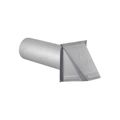







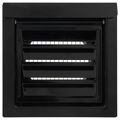


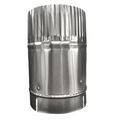



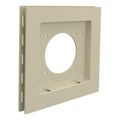
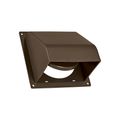

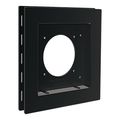

4 inch dryer vents carry hot, moist exhaust air from a clothes dryer to the exterior of a building, and the 4 inch diameter is the standard size for nearly all residential dryers sold in the United States. A correctly sized and installed vent run reduces lint buildup, shortens dry times, and lowers the risk of restricted airflow that can cause a dryer to overheat. Installers choose between rigid metal, semi-rigid, and flexible transition duct depending on the run length, number of turns, and clearance available behind and around the appliance, since each material has different airflow characteristics and code restrictions on where it can be used. Vent length and elbow count both add resistance to airflow, so keeping the total equivalent run within the dryer manufacturer's maximum specification helps the appliance perform as designed.
Subcategories
- Rigid Metal Dryer Vent Pipe: Rigid metal dryer vent pipe offers the lowest airflow resistance of the common vent materials and is required by code for long or concealed runs inside walls, floors, and ceilings. Installers use rigid pipe for the main run between the dryer location and the exterior termination point. Its smooth interior surface resists lint accumulation better than flexible alternatives. Rigid sections join with sheet metal screws or clamps at each seam rather than tape, per most code requirements.
- Semi-Rigid Dryer Vent Duct: Semi-rigid dryer vent duct flexes enough to route around tight obstacles while still providing better airflow than fully flexible duct. Installers commonly use this style for the transition connection directly behind the dryer, where some flexibility is needed to align with the wall or floor vent opening. It compresses somewhat during installation, so pulling it to its full extended length reduces internal ridging that can trap lint. Most local codes limit its use to short transition sections rather than long concealed runs.
- Flexible Foil Transition Duct: Flexible foil transition duct is the most common connector between the dryer and the wall or floor vent opening, prized for its ease of installation in tight utility spaces. Many current codes restrict or prohibit foil transition duct for concealed in-wall runs because it collects lint more readily than rigid or semi-rigid options. Homeowners and installers should check local code before using it anywhere other than the short exposed transition length. Keeping the duct pulled taut, rather than left with slack, reduces sagging pockets where lint can build up.
- Dryer Vent Terminations and Caps: Dryer vent terminations and caps cover the exterior end of the vent run and include a damper that opens under airflow and closes when the dryer is off to keep out weather and pests. Installers select a termination style based on wall, roof, or under-eave mounting location and the exterior siding or roofing material. A properly functioning damper reduces drafts and pest entry without restricting exhaust airflow. Screens are generally not recommended on dryer vent caps because they trap lint and create a fire hazard.
Buying Guide
Choosing the right materials for a 4 Inch Dryer Vents installation starts with the total run length and number of elbows between the dryer and the exterior termination, since every foot of duct and every turn adds resistance that the dryer's fan has to overcome. Rigid metal pipe is the preferred choice for any concealed or long run because it offers the least airflow resistance and the smoothest interior surface for lint to pass through, while flexible foil duct should generally be limited to the short exposed transition behind the dryer where local code allows it. Checking the dryer manufacturer's maximum equivalent vent length before finalizing a layout prevents a run that is too long for the appliance's fan to clear effectively. Termination style matters too: wall caps, roof caps, and under-eave terminations each have different mounting requirements, and the damper inside the cap should move freely to avoid restricting exhaust or letting in outside air when the dryer is off. Clamps and screws are the standard method for joining rigid and semi-rigid sections, since tape does not hold up to the heat and moisture in dryer exhaust over time. Matching all vent components to the same 4 inch diameter throughout the run avoids restrictions at transition points.
Frequently Asked Questions
What is the maximum length for a 4 inch dryer vent run?
Maximum length depends on the specific dryer model and the number of elbows in the run, since each elbow adds equivalent length to the total. Checking the dryer manufacturer's installation manual gives the exact maximum for that appliance.
Can flexible foil duct be used for the entire dryer vent run?
Flexible foil duct is generally limited to the short transition section behind the dryer and is not permitted for long or concealed runs under many current codes. Rigid metal pipe is the standard choice for the main run to the exterior.
Why does my dryer vent keep collecting lint quickly?
Excess lint buildup is often caused by a vent run that is too long, has too many elbows, or uses flexible duct with internal ridges that trap lint. Switching to rigid pipe where possible and shortening the run reduces how often cleaning is needed.
Should a screen be installed on the exterior dryer vent cap?
A screen on a dryer vent cap is not recommended because it traps lint and can create a fire hazard as buildup restricts airflow. A standard damper-style cap without a screen is the safer choice.
What size dryer vent pipe do most residential dryers require?
Most residential clothes dryers use a 4 inch diameter vent throughout the entire run, from the transition duct behind the appliance to the exterior termination. Confirming the appliance's specification sheet verifies the required diameter before purchasing materials.
