




Filters
SORT
Product Availability –
Horse Power –
Voltage –
Phase –
RPM –
Amperage –
Review Score –
 --%3E %3Csvg version='1.1' id='Fill' xmlns='http://www.w3.org/2000/svg' xmlns:xlink='http://www.w3.org/1999/xlink' x='0px' y='0px' viewBox='0 0 100 100' enable-background='new 0 0 100 100' xml:space='preserve'%3E %3Cpath fill='%23F15C02' d='M79.44,0.95H20.56C9.78,0.95,0.95,9.78,0.95,20.56v58.87c0,10.79,8.82,19.61,19.61,19.61h58.87 c10.79,0,19.61-8.83,19.61-19.61V20.56C99.05,9.78,90.22,0.95,79.44,0.95z M65.38,58.24l9.38,29.58L49.69,69.78L24.5,87.82 l9.34-29.6L8.8,39.6l30.73-0.17c0,0,6.98-19.61,10-28.93c0.54,1.36,9.88,29.1,9.88,29.1H91.2L65.38,58.24z'/%3E %3C/svg%3E)
 --%3E %3Csvg version='1.1' id='With-RB' xmlns='http://www.w3.org/2000/svg' xmlns:xlink='http://www.w3.org/1999/xlink' x='0px' y='0px' viewBox='0 0 100 100' enable-background='new 0 0 100 100' xml:space='preserve'%3E %3Cpath fill='%23FBC8B4' d='M79.44,0.95H20.56C9.78,0.95,0.95,9.78,0.95,20.56v58.87c0,10.79,8.82,19.61,19.61,19.61h58.87 c10.79,0,19.61-8.83,19.61-19.61V20.56C99.05,9.78,90.22,0.95,79.44,0.95z M65.38,58.24l9.38,29.58L49.69,69.78L24.5,87.82 l9.34-29.6L8.8,39.6l30.73-0.17c0,0,6.98-19.61,10-28.93c0.54,1.36,9.88,29.1,9.88,29.1H91.2L65.38,58.24z'/%3E %3C/svg%3E)
Price Range –
Belted Fan & Blower Motors


 --%3E %3Csvg version='1.1' id='No-RB' xmlns='http://www.w3.org/2000/svg' xmlns:xlink='http://www.w3.org/1999/xlink' x='0px' y='0px' viewBox='0 0 100 100' enable-background='new 0 0 100 100' xml:space='preserve'%3E %3Cpath fill='%23CECECE' d='M79.44,0.95H20.56C9.78,0.95,0.95,9.78,0.95,20.56v58.87c0,10.79,8.82,19.61,19.61,19.61h58.87 c10.79,0,19.61-8.83,19.61-19.61V20.56C99.05,9.78,90.22,0.95,79.44,0.95z M65.38,58.24l9.38,29.58L49.69,69.78L24.5,87.82 l9.34-29.6L8.8,39.6l30.73-0.17c0,0,6.98-19.61,10-28.93c0.54,1.36,9.88,29.1,9.88,29.1H91.2L65.38,58.24z'/%3E %3C/svg%3E)
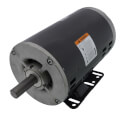
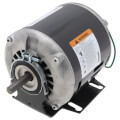
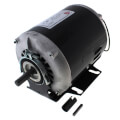
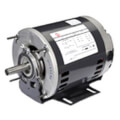
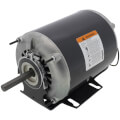
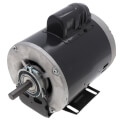
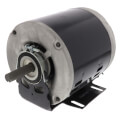
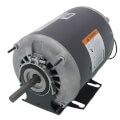
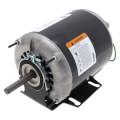
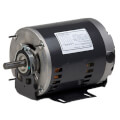
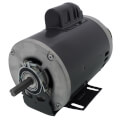
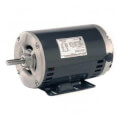
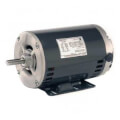
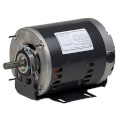
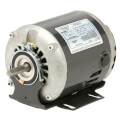
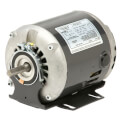
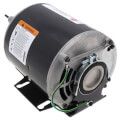
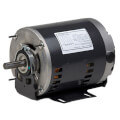

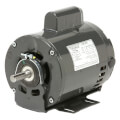
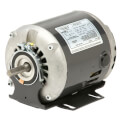
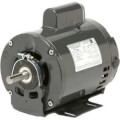

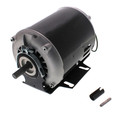
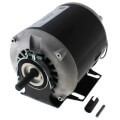
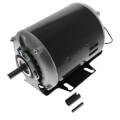
Belted fan and blower motors drive the blower wheel in HVAC equipment through a pulley and belt system rather than a direct-drive shaft connection. This design allows a technician to adjust airflow by changing pulley size or belt tension without replacing the motor itself, which gives more flexibility than a fixed-speed direct-drive setup. Belted motors are common in larger residential and light commercial air handlers and furnaces where higher static pressure or variable airflow needs make belt-driven blowers a practical choice. Selecting a replacement motor requires matching horsepower, frame size, and shaft diameter to the original, since a mismatch can prevent the pulley from seating correctly or place uneven strain on the belt. Motor speed, whether single-speed or multi-speed, also needs to align with how the original blower assembly was controlled.
Subcategories
- Single-Speed Belted Motors: Single-speed belted motors run at one constant speed and rely entirely on pulley and belt adjustments to fine-tune airflow. Contractors favor them in systems where airflow needs stay relatively constant throughout the year. Because there is no internal speed control, any airflow changes have to come from adjusting the drive pulley or swapping the belt size. These motors tend to be simpler to troubleshoot since there are fewer wiring configurations to check.
- Multi-Speed Belted Motors: Multi-speed belted motors offer several selectable speed taps, giving a technician the ability to fine-tune airflow electrically in addition to any pulley adjustments. These motors are common in systems that need different airflow settings for heating versus cooling modes. Correct tap selection during installation affects both comfort and equipment efficiency, so confirming the manufacturer's recommended speed setting for a given application matters. Rewiring a tap incorrectly can leave a system underperforming even with a properly sized motor.
- Adjustable Pulleys: Adjustable pulleys let a technician fine-tune blower speed without changing the motor itself, by varying the effective diameter of the pulley face. This is often the fastest way to correct an airflow problem on an existing belted system, since it does not require rewiring or a motor swap. Pulley adjustments need to stay within the range the belt and motor can handle, since over-adjusting can cause excess belt wear or motor strain. Marking the original pulley position before adjusting helps if the change needs to be reversed.
- Blower Belts: Blower belts transfer rotational force from the motor pulley to the blower wheel pulley, and their condition directly affects how efficiently that power gets delivered. A worn, cracked, or improperly tensioned belt can slip under load, reducing airflow even when the motor itself is functioning normally. Belt size needs to match the pulley spacing on the specific unit, since a belt that is too long or too short will not maintain proper tension. Replacing belts as part of routine maintenance helps prevent an unexpected mid-season failure.
Buying Guide
Replacing a motor from the Belted Fan & Blower Motors lineup starts with confirming horsepower, frame size, and shaft diameter against the original equipment, since even a motor with the correct horsepower rating will not install properly if the frame or shaft dimensions do not match. Voltage and phase also need to align with the electrical service already in place.
Speed configuration matters as much as physical fit. A single-speed motor relies entirely on pulley and belt adjustments to control airflow, while a multi-speed motor offers additional flexibility through selectable speed taps. Confirming which configuration the original blower assembly used prevents installing a motor that cannot be wired to match existing airflow settings.
Pulley and belt condition should be inspected any time a motor is replaced, even if they were not the cause of the original failure. A worn belt or a pulley that has drifted out of adjustment can undercut the performance of an otherwise correctly sized new motor, leading to reduced airflow or a callback that looks like a motor problem but is not.
Bearing type is worth checking as well, since some belted motors use sealed bearings that require no maintenance while others rely on oil ports that need periodic lubrication to reach expected service life.
Frequently Asked Questions
How do I know if I need a single-speed or multi-speed belted motor?
Checking how the original motor was wired is the most reliable way to confirm which type is needed. A multi-speed motor will have multiple wire leads for different speed taps, while a single-speed motor has a simpler wiring configuration. Matching the original setup avoids airflow problems after installation.
What causes a belted blower motor to run but produce weak airflow?
A slipping or worn belt is one of the most common causes, since it reduces how much power actually reaches the blower wheel even when the motor runs normally. A pulley that has drifted out of adjustment can cause a similar symptom. Checking belt tension and pulley alignment before assuming the motor itself has failed can save an unnecessary replacement.
Can I adjust airflow without replacing the motor?
Yes, adjusting the drive pulley is often the quickest way to change blower speed on a belted system without touching the motor. Small adjustments can meaningfully change airflow, so changes should be made incrementally and tested before finalizing. Over-adjusting can strain the belt or motor bearings over time.
How often should blower belts be replaced?
Belts should be inspected at every seasonal maintenance visit for cracking, glazing, or fraying, even if they have not failed outright. A visibly worn belt is worth replacing proactively rather than waiting for it to fail during a high-demand period. Replacing a belt is generally quick and inexpensive compared to the cost of an emergency service call.
Do belted motors need periodic lubrication?
It depends on the bearing type. Motors with oil ports need periodic lubrication to reach their expected service life, while sealed-bearing motors are maintenance-free by design. Checking the motor's nameplate or documentation confirms which type is installed before deciding whether lubrication is needed.
