




Filters
SORT
Product Availability –
Body Pattern –
Size –
Max Pressure (PSI) –
Review Score –
 --%3E %3Csvg version='1.1' id='Fill' xmlns='http://www.w3.org/2000/svg' xmlns:xlink='http://www.w3.org/1999/xlink' x='0px' y='0px' viewBox='0 0 100 100' enable-background='new 0 0 100 100' xml:space='preserve'%3E %3Cpath fill='%23F15C02' d='M79.44,0.95H20.56C9.78,0.95,0.95,9.78,0.95,20.56v58.87c0,10.79,8.82,19.61,19.61,19.61h58.87 c10.79,0,19.61-8.83,19.61-19.61V20.56C99.05,9.78,90.22,0.95,79.44,0.95z M65.38,58.24l9.38,29.58L49.69,69.78L24.5,87.82 l9.34-29.6L8.8,39.6l30.73-0.17c0,0,6.98-19.61,10-28.93c0.54,1.36,9.88,29.1,9.88,29.1H91.2L65.38,58.24z'/%3E %3C/svg%3E)
 --%3E %3Csvg version='1.1' id='With-RB' xmlns='http://www.w3.org/2000/svg' xmlns:xlink='http://www.w3.org/1999/xlink' x='0px' y='0px' viewBox='0 0 100 100' enable-background='new 0 0 100 100' xml:space='preserve'%3E %3Cpath fill='%23FBC8B4' d='M79.44,0.95H20.56C9.78,0.95,0.95,9.78,0.95,20.56v58.87c0,10.79,8.82,19.61,19.61,19.61h58.87 c10.79,0,19.61-8.83,19.61-19.61V20.56C99.05,9.78,90.22,0.95,79.44,0.95z M65.38,58.24l9.38,29.58L49.69,69.78L24.5,87.82 l9.34-29.6L8.8,39.6l30.73-0.17c0,0,6.98-19.61,10-28.93c0.54,1.36,9.88,29.1,9.88,29.1H91.2L65.38,58.24z'/%3E %3C/svg%3E)
Price Range –
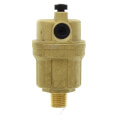
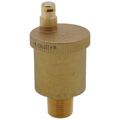
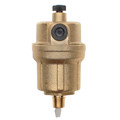
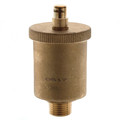
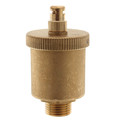
Caleffi Air Vents



 --%3E %3Csvg version='1.1' id='Half' xmlns='http://www.w3.org/2000/svg' xmlns:xlink='http://www.w3.org/1999/xlink' x='0px' y='0px' viewBox='0 0 100 100' enable-background='new 0 0 100 100' xml:space='preserve'%3E %3Cg%3E %3Cpath fill='%23F15C02' d='M30.05,70.23l3.79-12.01L8.8,39.6l30.73-0.17c0,0,6.98-19.61,10-28.93c0.54,1.36,9.88,29.1,9.88,29.1h1.58 L93.71,7.18c-3.58-3.82-8.66-6.23-14.28-6.23H20.56C9.78,0.95,0.95,9.78,0.95,20.56v58.87c0,5.41,2.22,10.32,5.79,13.88 L30.05,70.23z'/%3E %3C/g%3E %3Cpath fill='%23FBC8B4' d='M93.71,7.18L60.98,39.6H91.2L65.38,58.24l9.38,29.58L49.69,69.78L24.5,87.82l5.55-17.59L6.75,93.32 c3.55,3.54,8.44,5.73,13.82,5.73h58.87c10.79,0,19.61-8.83,19.61-19.61V20.56C99.05,15.4,97.01,10.69,93.71,7.18z'/%3E %3C/svg%3E)
 --%3E %3Csvg version='1.1' id='No-RB' xmlns='http://www.w3.org/2000/svg' xmlns:xlink='http://www.w3.org/1999/xlink' x='0px' y='0px' viewBox='0 0 100 100' enable-background='new 0 0 100 100' xml:space='preserve'%3E %3Cpath fill='%23CECECE' d='M79.44,0.95H20.56C9.78,0.95,0.95,9.78,0.95,20.56v58.87c0,10.79,8.82,19.61,19.61,19.61h58.87 c10.79,0,19.61-8.83,19.61-19.61V20.56C99.05,9.78,90.22,0.95,79.44,0.95z M65.38,58.24l9.38,29.58L49.69,69.78L24.5,87.82 l9.34-29.6L8.8,39.6l30.73-0.17c0,0,6.98-19.61,10-28.93c0.54,1.36,9.88,29.1,9.88,29.1H91.2L65.38,58.24z'/%3E %3C/svg%3E)
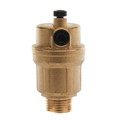
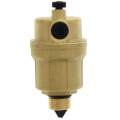
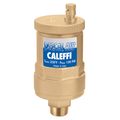
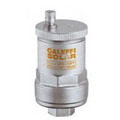
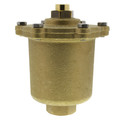
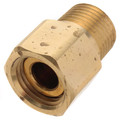
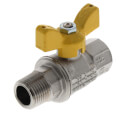
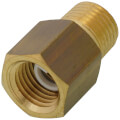
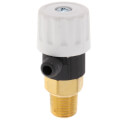
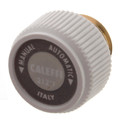
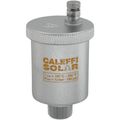
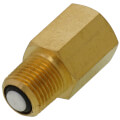
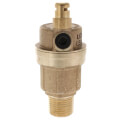

Caleffi air vents remove trapped air from hydronic heating and cooling systems, preventing the air pockets that cause noisy pipes, cold spots in radiators, and reduced circulation through a boiler loop. Automatic float-type vents release air continuously as it collects at high points in the system, closing off once water reaches the float to stop leaks. Manual vents require a technician to open a small valve periodically, typically with a bleed key or flathead screwdriver, to purge air by hand during startup or seasonal maintenance. Caleffi's vent bodies are built with a float and seat mechanism designed to resist the mineral scale and debris that can cause automatic vents to stick open or fail to reseal. Placement at system high points, such as the top of a boiler, near air separators, or at the highest baseboard loop, is what determines how effectively a vent clears air from the system.
Subcategories
- Automatic Float-Type Air Vents: Automatic float-type air vents use a float ball connected to a small valve seat that rises and falls with the water level inside the vent body. As air collects and the water level drops, the float lowers and opens the valve to release the trapped air, then reseats once water returns to close the seal. Automatic vents of this type are typically installed at boiler high points, near circulator pumps, and at air separators where air naturally collects during system operation. A cap over the valve stem contains any residual weeping and can be loosened slightly to help purge stubborn air during initial system fill.
- Manual Air Vents: Manual air vents rely on a technician opening a small key-operated or screwdriver-slot valve to release trapped air by hand, rather than venting continuously on their own. They're common at radiators, baseboard loops, and other terminal points where a technician can access the vent during startup, seasonal maintenance, or after any repair that introduces air into the system. Because they don't vent automatically, a manual vent needs to be part of a regular maintenance routine, particularly at the start of each heating season. Some manual vents include a small reservoir to catch the water released during bleeding, reducing mess during the process.
- High-Capacity Boiler Room Vents: High-capacity vents handle the larger volume of air that collects in commercial boiler rooms, larger hydronic systems, and central plant applications where a standard radiator-style vent would be undersized. Larger valve seats and bodies allow these vents to purge air faster during initial fill or after major system work, reducing the startup time needed before a system reaches full circulation. They're typically installed at the top of the boiler, on air separators, and at other collection points sized for the system's total water volume. Isolation valves are often installed beneath high-capacity vents so the vent can be serviced without draining the entire system.
- Replacement Air Vent Caps & Valve Cores: Replacement caps and valve cores address the most common point of failure on an automatic air vent, the small parts that seal against mineral buildup and debris over years of service. A vent that weeps continuously or won't hold pressure often just needs a new valve core rather than full replacement of the vent body. Caps also protect the valve stem from damage and contain minor weeping between service visits. Keeping a few replacement cores on hand for common vent sizes turns a slow drip into a five-minute fix instead of a full vent replacement.
Buying Guide
Choosing between an automatic and manual air vent depends on the location and how often air needs to be purged from that point in the system. High points that collect air continuously during normal operation, such as the top of a boiler or near a circulator pump, benefit from an automatic vent that vents without technician intervention. Lower-traffic points, like an individual radiator, often work fine with a manual vent that's bled during scheduled maintenance rather than a continuously operating automatic vent.
Sizing the vent to the system's water volume matters more in larger installations. A standard automatic vent sized for a residential system won't keep up with the air volume in a commercial boiler room, where a high-capacity vent with a larger valve seat is needed to purge air quickly during startup or after service work.
Installing an isolation valve beneath any air vent, automatic or manual, allows the vent to be serviced or replaced without draining the loop, which saves significant time on a system that's otherwise difficult to refill and purge. Confirming an isolation valve is part of any new installation is worth the extra step, since retrofitting one later requires draining the system anyway.
Water quality affects vent longevity as much as it affects any other hydronic component. Systems with untreated or frequently refilled water introduce more dissolved oxygen and mineral content, which accelerates the scale buildup that causes automatic vents to stick or fail to reseal. Pairing a quality air vent with proper glycol and water treatment extends the service interval on both the vent and the rest of the hydronic system.
Frequently Asked Questions
Where should an automatic air vent be installed in a hydronic system?
Automatic vents work best at system high points where air naturally collects, such as the top of a boiler, near circulator pumps, and at air separators. Installing a vent at a low point in the system provides little benefit, since air rises rather than settling where a low-mounted vent could catch it.
How does a technician tell if an air vent has failed?
A vent that weeps water continuously, or one that no longer releases air during a bleed test, has typically failed at the float or valve seat. Replacing the valve core or cap resolves many minor leaks, while a vent that won't seal at all usually needs full replacement.
Is an isolation valve necessary under every air vent?
An isolation valve isn't required for a vent to function, but it makes future service far easier by allowing the vent to be removed or replaced without draining the system. Installing one during initial setup avoids a full system drain later if the vent ever needs attention.
Why does a new automatic air vent leak right after installation?
A vent installed before the system is fully purged of air during initial fill can weep temporarily as trapped air works its way out. If weeping continues after startup air has cleared, checking the valve seat for debris introduced during installation, such as thread sealant or pipe shavings, is the next step.
How often should a manual air vent be bled?
Most manual vents should be bled at the start of each heating season and again after any repair or refill that could introduce air into the system. A radiator that's noticeably cooler at the top than the bottom is a common sign that a manual vent needs to be bled sooner than the regular schedule.
