




Filters
SORT
Product Availability –
Category –
Review Score –
 --%3E %3Csvg version='1.1' id='Fill' xmlns='http://www.w3.org/2000/svg' xmlns:xlink='http://www.w3.org/1999/xlink' x='0px' y='0px' viewBox='0 0 100 100' enable-background='new 0 0 100 100' xml:space='preserve'%3E %3Cpath fill='%23F15C02' d='M79.44,0.95H20.56C9.78,0.95,0.95,9.78,0.95,20.56v58.87c0,10.79,8.82,19.61,19.61,19.61h58.87 c10.79,0,19.61-8.83,19.61-19.61V20.56C99.05,9.78,90.22,0.95,79.44,0.95z M65.38,58.24l9.38,29.58L49.69,69.78L24.5,87.82 l9.34-29.6L8.8,39.6l30.73-0.17c0,0,6.98-19.61,10-28.93c0.54,1.36,9.88,29.1,9.88,29.1H91.2L65.38,58.24z'/%3E %3C/svg%3E)
 --%3E %3Csvg version='1.1' id='With-RB' xmlns='http://www.w3.org/2000/svg' xmlns:xlink='http://www.w3.org/1999/xlink' x='0px' y='0px' viewBox='0 0 100 100' enable-background='new 0 0 100 100' xml:space='preserve'%3E %3Cpath fill='%23FBC8B4' d='M79.44,0.95H20.56C9.78,0.95,0.95,9.78,0.95,20.56v58.87c0,10.79,8.82,19.61,19.61,19.61h58.87 c10.79,0,19.61-8.83,19.61-19.61V20.56C99.05,9.78,90.22,0.95,79.44,0.95z M65.38,58.24l9.38,29.58L49.69,69.78L24.5,87.82 l9.34-29.6L8.8,39.6l30.73-0.17c0,0,6.98-19.61,10-28.93c0.54,1.36,9.88,29.1,9.88,29.1H91.2L65.38,58.24z'/%3E %3C/svg%3E)
Price Range –
Field Controls Venting




 --%3E %3Csvg version='1.1' id='Half' xmlns='http://www.w3.org/2000/svg' xmlns:xlink='http://www.w3.org/1999/xlink' x='0px' y='0px' viewBox='0 0 100 100' enable-background='new 0 0 100 100' xml:space='preserve'%3E %3Cg%3E %3Cpath fill='%23F15C02' d='M30.05,70.23l3.79-12.01L8.8,39.6l30.73-0.17c0,0,6.98-19.61,10-28.93c0.54,1.36,9.88,29.1,9.88,29.1h1.58 L93.71,7.18c-3.58-3.82-8.66-6.23-14.28-6.23H20.56C9.78,0.95,0.95,9.78,0.95,20.56v58.87c0,5.41,2.22,10.32,5.79,13.88 L30.05,70.23z'/%3E %3C/g%3E %3Cpath fill='%23FBC8B4' d='M93.71,7.18L60.98,39.6H91.2L65.38,58.24l9.38,29.58L49.69,69.78L24.5,87.82l5.55-17.59L6.75,93.32 c3.55,3.54,8.44,5.73,13.82,5.73h58.87c10.79,0,19.61-8.83,19.61-19.61V20.56C99.05,15.4,97.01,10.69,93.71,7.18z'/%3E %3C/svg%3E)

 --%3E %3Csvg version='1.1' id='No-RB' xmlns='http://www.w3.org/2000/svg' xmlns:xlink='http://www.w3.org/1999/xlink' x='0px' y='0px' viewBox='0 0 100 100' enable-background='new 0 0 100 100' xml:space='preserve'%3E %3Cpath fill='%23CECECE' d='M79.44,0.95H20.56C9.78,0.95,0.95,9.78,0.95,20.56v58.87c0,10.79,8.82,19.61,19.61,19.61h58.87 c10.79,0,19.61-8.83,19.61-19.61V20.56C99.05,9.78,90.22,0.95,79.44,0.95z M65.38,58.24l9.38,29.58L49.69,69.78L24.5,87.82 l9.34-29.6L8.8,39.6l30.73-0.17c0,0,6.98-19.61,10-28.93c0.54,1.36,9.88,29.1,9.88,29.1H91.2L65.38,58.24z'/%3E %3C/svg%3E)
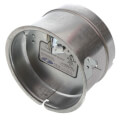

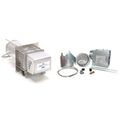
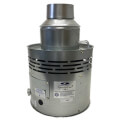
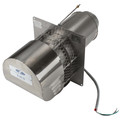
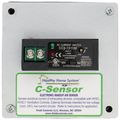
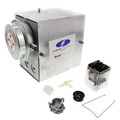
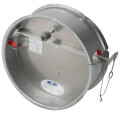
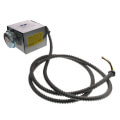
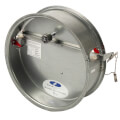
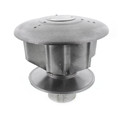
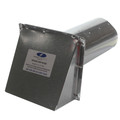


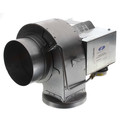
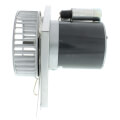

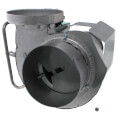
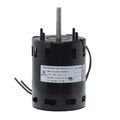
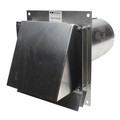
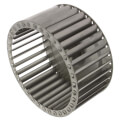
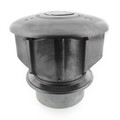
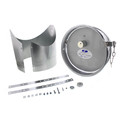
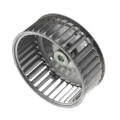
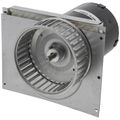
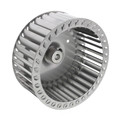
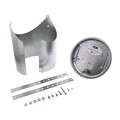
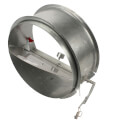


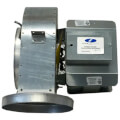
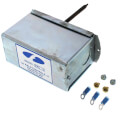
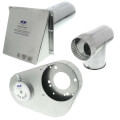
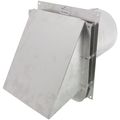
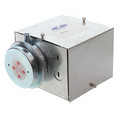
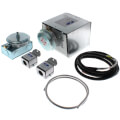
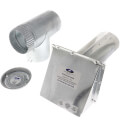
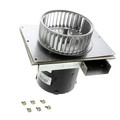
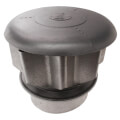
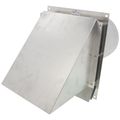

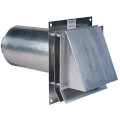
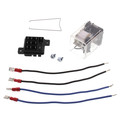
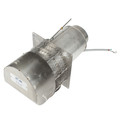

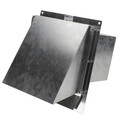
Field Controls Venting is the product line covering the barometric draft controls, vent dampers, and draft inducers that Field Controls builds to regulate combustion venting on gas, oil, and solid-fuel appliances. The lineup splits by fuel type and control action: gas vent dampers and the double-acting MG1 draft control serve gas-fired equipment, while the single-acting RC draft control and Type M residential oil draft control serve oil, wood, and coal appliances. A combined Type M plus MG2 triple-fuel draft control covers equipment that burns more than one fuel type without swapping controls between seasons. For appliances that need mechanical assistance rather than a passive damper, the DI-1, DI-2, and DI-3 draft inducers add powered venting to the same product family. Matching the control's action, single-acting or double-acting, to the appliance's fuel type keeps a vent system drafting correctly instead of spilling combustion gases into the mechanical room.
Subcategories
- Gas Vent Dampers: Gas vent dampers, Field Controls' GVD models, close off the vent connector between the appliance and chimney when a gas furnace or boiler isn't firing, cutting standby heat loss up the flue. Installers pair these with gas-fired equipment specifically, since the damper's control logic ties into the appliance's gas valve circuit. Closing the vent between cycles keeps conditioned air from being pulled out of the building and up an idle chimney. Sizing the damper to the vent connector diameter rather than the appliance's input rating keeps airflow correct when the damper opens.
- Oil Vent Dampers: Oil vent dampers, Field Controls' OVD models, perform the same standby vent closure function as the gas dampers but are built for oil-fired equipment instead. Oil-fired furnaces and boilers see the same standby loss problem as gas equipment when the vent stays open between burner cycles. The damper's control logic ties into the oil burner's primary control rather than a gas valve circuit. Matching the OVD model to the burner manufacturer's control interface keeps the interlock wiring straightforward during installation.
- MG-1 Double-Acting Draft Control: The MG-1 is Field Controls' double-acting barometric draft control built for gas-fired appliances. Being double-acting means the damper gate can swing in either direction, opening to admit dilution air on negative draft or closing to block backdraft on positive vent pressure. Gas appliances see both conditions depending on weather and chimney height, which is why gas installations call for the double-acting design over a single-acting one. Field Controls builds the MG-1 specifically for this dual-direction gas application rather than for oil or solid fuel use.
- RC Single-Acting Draft Control: The RC is Field Controls' single-acting barometric draft control built for oil, wood, or coal appliances rather than gas equipment. Single-acting means the damper gate swings in one direction only, admitting dilution air to regulate draft without needing to relieve positive vent pressure the way gas equipment sometimes does. Oil and solid-fuel appliances typically run under negative draft throughout the burn cycle, which is why the single-acting design fits the application. A related Type M residential control covers the same oil, wood, and coal fuel range in a version built for smaller residential appliances.
- Draft Inducers: Draft inducers, the DI-1, DI-2, and DI-3 models, add powered venting to appliances that can't generate enough natural draft on their own, such as those with long horizontal vent runs or undersized chimneys. A blower wheel pulls combustion gases through the vent connector rather than relying on chimney height and outdoor temperature difference alone. The mechanical assist lets an appliance vent successfully in situations where a passive barometric damper alone wouldn't establish adequate draft. Selecting the correct DI model depends on the appliance's venting requirements and the length of the vent run it needs to overcome.
Buying Guide
Start by identifying the appliance's fuel type, since Field Controls splits its draft controls by fuel rather than building one universal damper: gas equipment needs the double-acting MG-1, while oil, wood, and coal equipment needs the single-acting RC or Type M control instead. Equipment that burns more than one fuel type over a season, such as a wood-to-oil dual-fuel setup, can use the combined Type M plus MG2 triple-fuel control rather than swapping dampers between fuels. Next, confirm whether the appliance generates enough natural draft on its own or needs mechanical help. A long horizontal vent run, an undersized chimney, or a high-efficiency appliance with low flue gas temperature often can't establish draft through a passive damper alone, and that's where a DI-1, DI-2, or DI-3 draft inducer comes in. Selecting Field Controls Venting equipment also means matching the control's action to how the appliance behaves: double-acting controls handle both positive and negative vent pressure swings, which gas equipment sees more often, while single-acting controls only need to admit dilution air, which fits the steadier negative draft typical of oil and solid-fuel burns. Installers should size any vent damper to the vent connector's actual diameter rather than the appliance's input rating, since an oversized or undersized damper changes the draft the barometric control is trying to regulate. Confirming the correct fuel-type control before rough-in avoids a callback where the appliance short-cycles on a draft safety switch.
Frequently Asked Questions
What's the difference between the MG-1 and RC draft controls?
The MG-1 is a double-acting draft control built for gas-fired appliances, meaning its damper gate can swing in either direction to handle both negative draft and positive vent pressure. The RC is a single-acting draft control built for oil, wood, or coal appliances, swinging in one direction only to admit dilution air. Gas equipment needs the double-acting design because it more often sees positive vent pressure swings that oil and solid-fuel appliances don't.
When does an appliance need a draft inducer instead of a barometric damper?
A draft inducer, such as the DI-1, DI-2, or DI-3, becomes necessary when an appliance can't generate enough natural draft on its own, often due to a long horizontal vent run, an undersized chimney, or low flue gas temperature. A passive barometric damper only regulates draft that already exists; it doesn't create draft where none is available. Appliances with these venting challenges need the powered assist a draft inducer provides.
Can the same draft control work for both oil and gas appliances?
Field Controls builds separate lines for each fuel type rather than one universal control: the MG-1 serves gas equipment while the RC and Type M controls serve oil, wood, and coal equipment. A combined Type M plus MG2 triple-fuel control exists specifically for equipment that burns more than one fuel type. Using a single-fuel control on the wrong fuel type bypasses the design intent behind the double-acting or single-acting action.
What does single-acting versus double-acting mean on a barometric draft control?
A single-acting draft control's damper gate swings in one direction only, admitting dilution air to regulate draft on appliances that run under steady negative draft, such as oil, wood, or coal burners. A double-acting draft control's gate swings in either direction, also relieving positive vent pressure, which suits gas-fired appliances that see both draft conditions. Matching the action type to the fuel and appliance behavior keeps the vent system from drafting incorrectly in either direction.
What size gas vent damper does a furnace need?
A gas vent damper should match the vent connector's actual diameter rather than the furnace's input rating, since the damper regulates airflow through that connector specifically. Field Controls builds its GVD gas vent dampers for this standby closure function on gas-fired furnaces and boilers between burner cycles. Confirming the vent connector size before ordering keeps the damper sized correctly for the actual flue opening.
