




Filters
SORT
Product Availability –
Brand –
Material –
Outlet Type –
Size –
Review Score –
 --%3E %3Csvg version='1.1' id='Fill' xmlns='http://www.w3.org/2000/svg' xmlns:xlink='http://www.w3.org/1999/xlink' x='0px' y='0px' viewBox='0 0 100 100' enable-background='new 0 0 100 100' xml:space='preserve'%3E %3Cpath fill='%23F15C02' d='M79.44,0.95H20.56C9.78,0.95,0.95,9.78,0.95,20.56v58.87c0,10.79,8.82,19.61,19.61,19.61h58.87 c10.79,0,19.61-8.83,19.61-19.61V20.56C99.05,9.78,90.22,0.95,79.44,0.95z M65.38,58.24l9.38,29.58L49.69,69.78L24.5,87.82 l9.34-29.6L8.8,39.6l30.73-0.17c0,0,6.98-19.61,10-28.93c0.54,1.36,9.88,29.1,9.88,29.1H91.2L65.38,58.24z'/%3E %3C/svg%3E)
 --%3E %3Csvg version='1.1' id='With-RB' xmlns='http://www.w3.org/2000/svg' xmlns:xlink='http://www.w3.org/1999/xlink' x='0px' y='0px' viewBox='0 0 100 100' enable-background='new 0 0 100 100' xml:space='preserve'%3E %3Cpath fill='%23FBC8B4' d='M79.44,0.95H20.56C9.78,0.95,0.95,9.78,0.95,20.56v58.87c0,10.79,8.82,19.61,19.61,19.61h58.87 c10.79,0,19.61-8.83,19.61-19.61V20.56C99.05,9.78,90.22,0.95,79.44,0.95z M65.38,58.24l9.38,29.58L49.69,69.78L24.5,87.82 l9.34-29.6L8.8,39.6l30.73-0.17c0,0,6.98-19.61,10-28.93c0.54,1.36,9.88,29.1,9.88,29.1H91.2L65.38,58.24z'/%3E %3C/svg%3E)
Price Range –
Floor Drains

 --%3E %3Csvg version='1.1' id='No-RB' xmlns='http://www.w3.org/2000/svg' xmlns:xlink='http://www.w3.org/1999/xlink' x='0px' y='0px' viewBox='0 0 100 100' enable-background='new 0 0 100 100' xml:space='preserve'%3E %3Cpath fill='%23CECECE' d='M79.44,0.95H20.56C9.78,0.95,0.95,9.78,0.95,20.56v58.87c0,10.79,8.82,19.61,19.61,19.61h58.87 c10.79,0,19.61-8.83,19.61-19.61V20.56C99.05,9.78,90.22,0.95,79.44,0.95z M65.38,58.24l9.38,29.58L49.69,69.78L24.5,87.82 l9.34-29.6L8.8,39.6l30.73-0.17c0,0,6.98-19.61,10-28.93c0.54,1.36,9.88,29.1,9.88,29.1H91.2L65.38,58.24z'/%3E %3C/svg%3E)
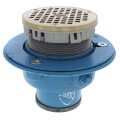

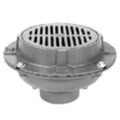
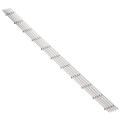
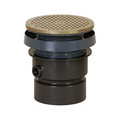
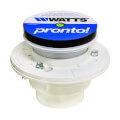
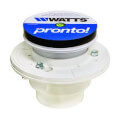
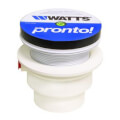
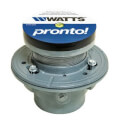
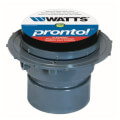
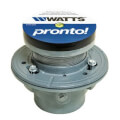
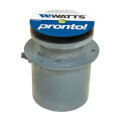
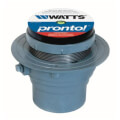

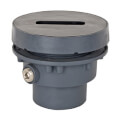
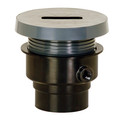

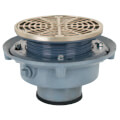
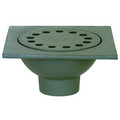
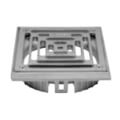
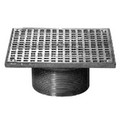
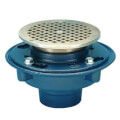
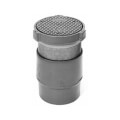

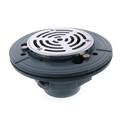
Floor drains are fixtures set into a slab or subfloor that collect and carry away water from basements, laundry rooms, mechanical rooms, and commercial kitchens before it can pool or cause damage. Plumbers install them anywhere a floor is likely to get wet on a regular basis, whether from a washing machine overflow, condensate discharge, or routine floor cleaning in a commercial space. A properly sized and trapped floor drain keeps water moving out of the building instead of sitting against a foundation or slab.
Every floor drain relies on an integral trap to hold water and block sewer gas from entering the room, so the strainer, trap, and body all have to work together for the fixture to perform. Picking the right body material and outlet size for the application on the front end avoids call-backs later, since a drain that's undersized for its drainage load or made from the wrong material for the environment will fail well before the rest of the plumbing system does.
Subcategories
- Cast Iron Floor Drains: Cast iron floor drains hold up under heavy foot traffic and repeated impact, which makes them a common choice for commercial kitchens, mechanical rooms, and parking garages. Contractors like them for their durability and long service life compared to lighter-duty materials. They typically pair with a cast iron or no-hub drainage system already running through the building.
- PVC Floor Drains: PVC floor drains are lighter and less expensive than cast iron, making them a practical fit for residential basements, utility rooms, and other light-duty locations. They resist corrosion well in damp environments where metal fixtures might eventually rust or pit. Installers connect them directly into PVC drain, waste, and vent piping without needing a transition fitting.
- Adjustable Floor Drains: Adjustable floor drains have a strainer or top assembly that can be raised or lowered after the body is set, which lets a plumber fine-tune the finished height to match tile, concrete, or other flooring installed after the rough-in. The flexibility matters most on jobs where the exact finished floor height isn't locked in until later stages of construction, since it saves a contractor from having to reset the entire drain body if the floor height shifts.
- Trench and Linear Drains: Trench and linear drains run in a channel rather than a single point, collecting water across a wider path in areas like commercial kitchen floors, garage bays, and shower rooms. They handle higher volumes of water more evenly than a single round drain covering the same floor area. Facilities with frequent washdowns often prefer them for faster, more even drainage.
Buying Guide
Start with the drainage load the fixture needs to handle. A residential basement floor drain that mainly deals with an occasional washing machine discharge or minor seepage doesn't need the same capacity as a commercial kitchen floor drain fielding constant washdown water, so match the outlet size and drain body to the volume expected in that space. Undersizing a drain for its actual use is one of the most common reasons floor drains back up or drain slowly.
Body material should match the environment. Cast iron stands up to heavy foot traffic, dropped tools, and rolling equipment, which is why it shows up so often in commercial kitchens and mechanical rooms, while PVC is a lighter and more budget-friendly option for residential basements and utility spaces that see less physical abuse. In corrosive environments, such as areas exposed to cleaning chemicals or high humidity, PVC or coated cast iron resists breakdown better than uncoated metal.
Finally, confirm how the finished floor height lines up with the drain body before installing it. An adjustable-strainer drain gives a plumber room to fine-tune the top assembly after tile, coating, or concrete work is finished, which avoids having to dig out and reset an entire drain body over a height mismatch. For larger open areas that need to shed water across a wide path rather than toward one low point, a trench or linear drain typically clears water faster and more evenly than adding multiple point drains.
Frequently Asked Questions
Why does a floor drain need a trap?
The trap holds a small amount of water at all times, and that water blocks sewer gas from coming back up through the drain into the room. Without a working trap, a floor drain becomes a direct path for sewer gas to enter the building.
What's the difference between cast iron and PVC floor drains?
Cast iron is heavier and more impact-resistant, making it the standard choice for commercial kitchens and mechanical rooms with heavy foot or equipment traffic. PVC is lighter, resists corrosion well, and costs less, so it's common in residential basements and other light-duty settings.
When is an adjustable floor drain the better choice?
Choose an adjustable floor drain when the finished floor height isn't locked in at the time the drain body is set, such as jobs where tile or coating goes in after the rough plumbing. The strainer assembly can be raised or lowered later to match the final floor surface.
Do trench drains work better than round floor drains?
Trench and linear drains handle higher water volumes across a wider area, so they perform well in commercial kitchens, garage bays, and other spaces that see frequent washdowns. A single round floor drain is usually sufficient for smaller, lower-volume areas like a residential basement.
How often does a floor drain trap need water added to it?
In drains that aren't used often, the trap's water seal can evaporate over time and let sewer gas through. Pouring a small amount of water down infrequently used floor drains every so often keeps the trap seal intact.
