




Filters
SORT
Product Availability –
Brand –
Size –
Review Score –
 --%3E %3Csvg version='1.1' id='Fill' xmlns='http://www.w3.org/2000/svg' xmlns:xlink='http://www.w3.org/1999/xlink' x='0px' y='0px' viewBox='0 0 100 100' enable-background='new 0 0 100 100' xml:space='preserve'%3E %3Cpath fill='%23F15C02' d='M79.44,0.95H20.56C9.78,0.95,0.95,9.78,0.95,20.56v58.87c0,10.79,8.82,19.61,19.61,19.61h58.87 c10.79,0,19.61-8.83,19.61-19.61V20.56C99.05,9.78,90.22,0.95,79.44,0.95z M65.38,58.24l9.38,29.58L49.69,69.78L24.5,87.82 l9.34-29.6L8.8,39.6l30.73-0.17c0,0,6.98-19.61,10-28.93c0.54,1.36,9.88,29.1,9.88,29.1H91.2L65.38,58.24z'/%3E %3C/svg%3E)
 --%3E %3Csvg version='1.1' id='With-RB' xmlns='http://www.w3.org/2000/svg' xmlns:xlink='http://www.w3.org/1999/xlink' x='0px' y='0px' viewBox='0 0 100 100' enable-background='new 0 0 100 100' xml:space='preserve'%3E %3Cpath fill='%23FBC8B4' d='M79.44,0.95H20.56C9.78,0.95,0.95,9.78,0.95,20.56v58.87c0,10.79,8.82,19.61,19.61,19.61h58.87 c10.79,0,19.61-8.83,19.61-19.61V20.56C99.05,9.78,90.22,0.95,79.44,0.95z M65.38,58.24l9.38,29.58L49.69,69.78L24.5,87.82 l9.34-29.6L8.8,39.6l30.73-0.17c0,0,6.98-19.61,10-28.93c0.54,1.36,9.88,29.1,9.88,29.1H91.2L65.38,58.24z'/%3E %3C/svg%3E)
Price Range –
Schedule 40 PVC Fittings



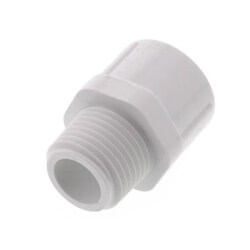
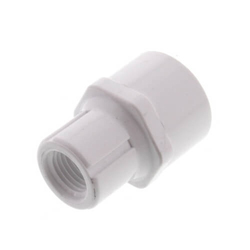
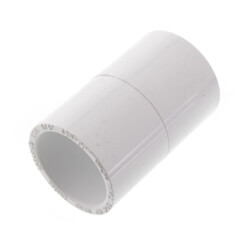

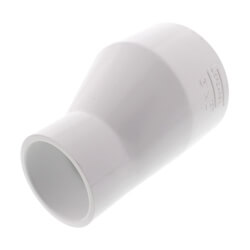





(SPG x S x S) (6)

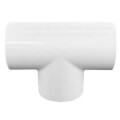
(S x S x FPT) (94)
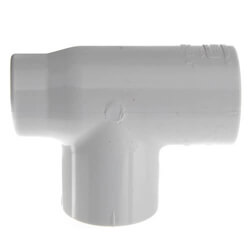

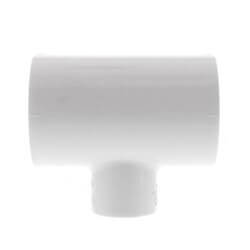
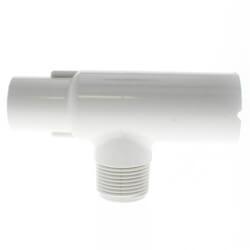


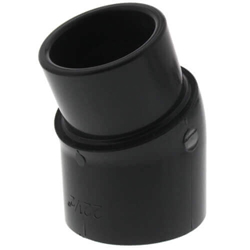
(OD SPG x I... (4)
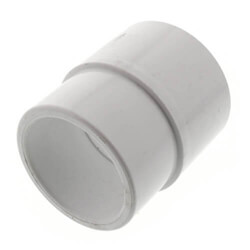
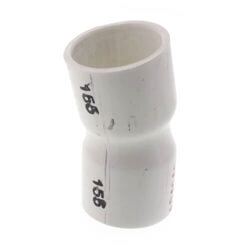
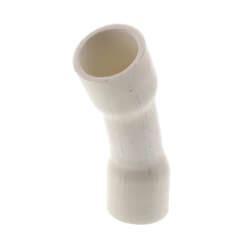
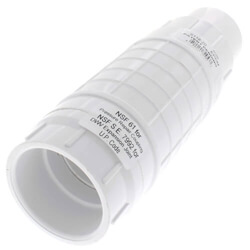
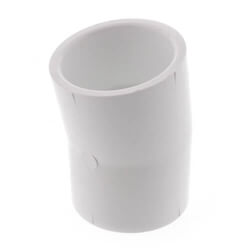
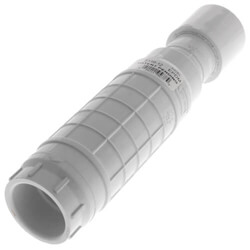
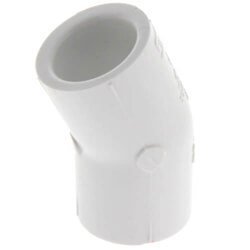
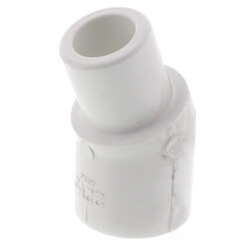
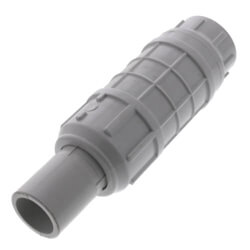
(SPG x SOC) (6)
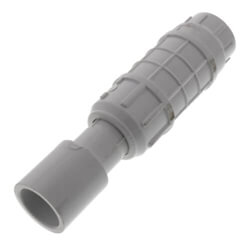
(SOC x SOC) (6)

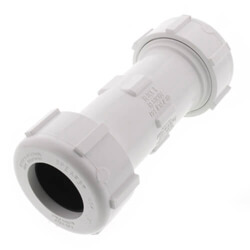
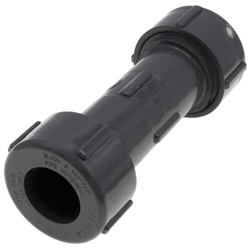
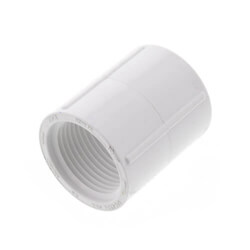
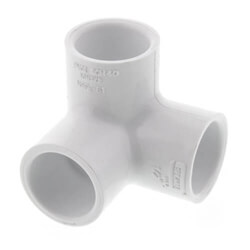
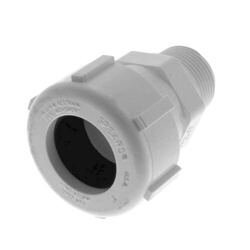
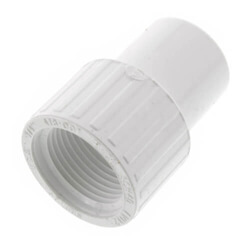
(SPG x FIPT) (19)
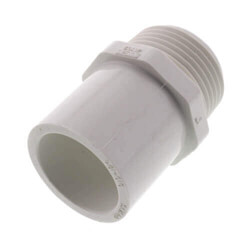
(SPG x MIPT) (7)
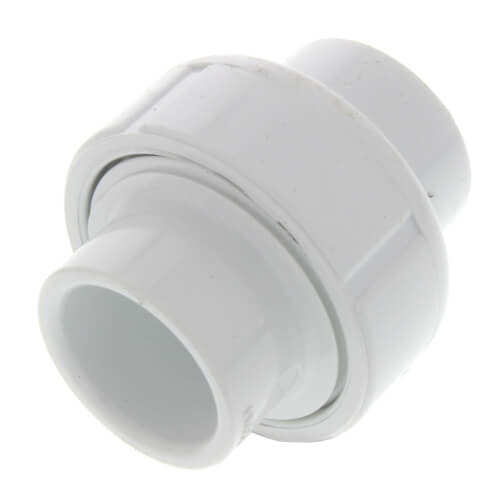


(SPG x S) (4)
(MIPT x FIPT) (4)



 --%3E %3Csvg version='1.1' id='No-RB' xmlns='http://www.w3.org/2000/svg' xmlns:xlink='http://www.w3.org/1999/xlink' x='0px' y='0px' viewBox='0 0 100 100' enable-background='new 0 0 100 100' xml:space='preserve'%3E %3Cpath fill='%23CECECE' d='M79.44,0.95H20.56C9.78,0.95,0.95,9.78,0.95,20.56v58.87c0,10.79,8.82,19.61,19.61,19.61h58.87 c10.79,0,19.61-8.83,19.61-19.61V20.56C99.05,9.78,90.22,0.95,79.44,0.95z M65.38,58.24l9.38,29.58L49.69,69.78L24.5,87.82 l9.34-29.6L8.8,39.6l30.73-0.17c0,0,6.98-19.61,10-28.93c0.54,1.36,9.88,29.1,9.88,29.1H91.2L65.38,58.24z'/%3E %3C/svg%3E)

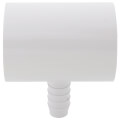
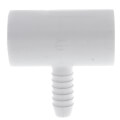
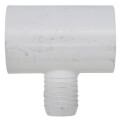
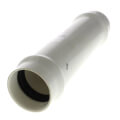
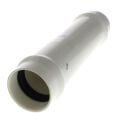
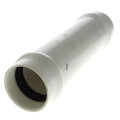
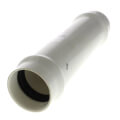
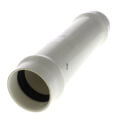
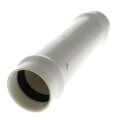

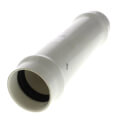

PVC Schedule 40 fittings connect and redirect Schedule 40 PVC pipe in drain, waste, vent, and pressure-rated water applications, covering elbows, tees, couplings, adapters, and caps in the sizes that match standard PVC pipe. The Schedule 40 designation refers to the fitting's wall thickness, which is heavier than a Schedule 20 DWV-only fitting and lets some Schedule 40 fittings handle pressure applications in addition to non-pressure use, depending on how each fitting is installed and rated for the job. A tech pulling fittings for a repair should match not just the pipe diameter but also the fitting's pressure rating to the application, since a DWV-only fitting used on a pressurized supply line won't hold up the way a pressure-rated Schedule 40 fitting will. Solvent welding remains the standard joining method across this category, which means proper primer and cement selection matters as much as picking the correct fitting shape for the job.
Subcategories
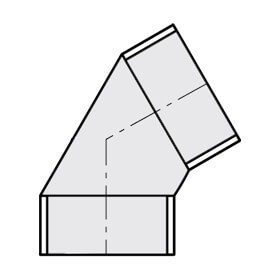
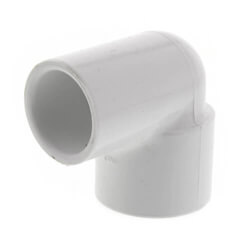
- Elbows: Elbows change the direction of a PVC run, most commonly in 90 degree and 45 degree bends, and come in both slip and threaded connection styles. A 90 degree elbow handles a full direction change in tight spaces where a longer sweep fitting won't fit, while a 45 degree elbow is the better choice when a gentler bend reduces flow turbulence and drainage backup risk on a DWV line. Street elbows, which combine a spigot end with a hub end, save a coupling on tight in-line direction changes.
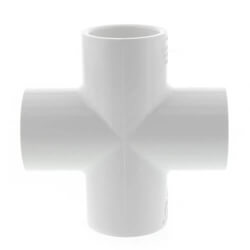
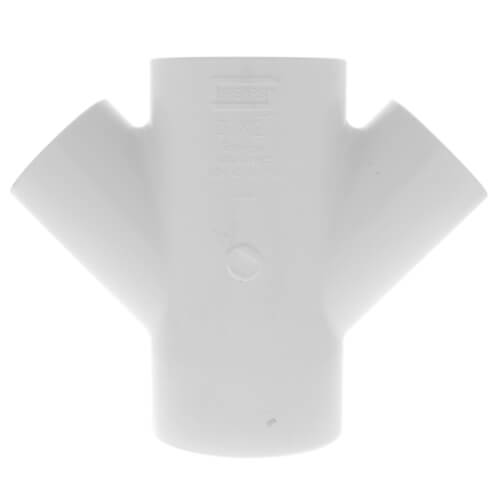
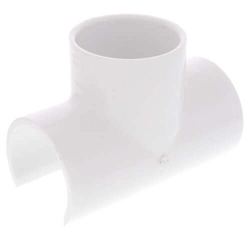
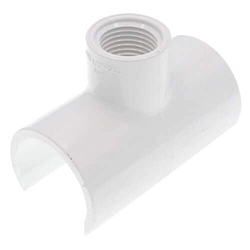
- Tees: Tees branch a PVC line into two directions from a single run, typically in a straight 90 degree branch or a wye-style angled branch depending on the application. A wye fitting is the standard choice on drain lines because its angled branch reduces the turbulence and backup risk that a straight sanitary tee can create on a horizontal drain run. Reducing tees step down to a smaller branch size where the connecting line doesn't need to match the main run's diameter.
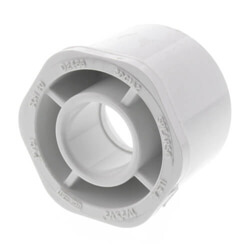
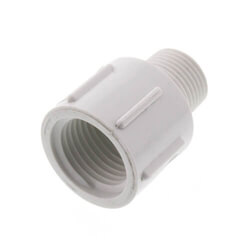
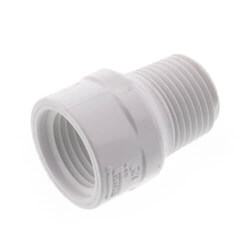
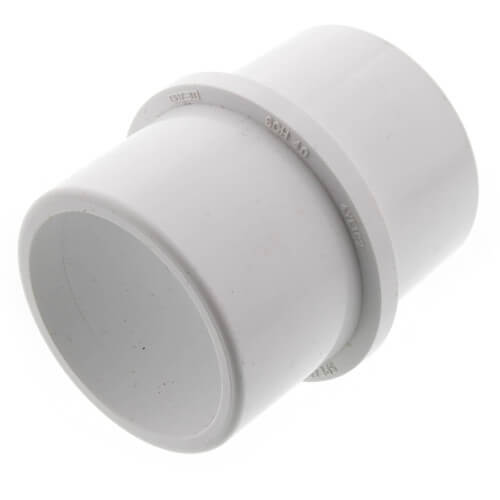
- Couplings & Adapters: Couplings join two lengths of same-diameter PVC pipe in a straight run, while adapters transition between PVC and another pipe material or connection type, such as a threaded adapter tying into metal pipe or a fixture. A repair coupling without a center stop lets a tech slide it fully onto one pipe end first, which makes cutting into an existing line for a repair easier than working with a standard center-stop coupling. Reducing couplings step down between two different pipe diameters in the same way a reducing tee does on a branch line.
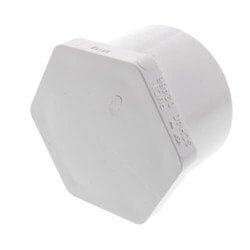
- Caps & Plugs: Caps and plugs seal the end of a PVC run, with a cap fitting over the outside of the pipe and a plug threading or fitting into the inside of a hub or threaded opening. Caps are the more common choice for permanently sealing a line during a pressure test or a future connection point, while threaded plugs allow the line to be reopened later without cutting the pipe. Vent caps and cleanout plugs are specialized versions of this category built for DWV access points rather than pressure testing.
Buying Guide
Match fitting diameter to the pipe size first, since PVC Schedule 40 Fittings are sized to the same nominal diameters as Schedule 40 pipe and won't seat correctly on pipe from a different schedule even when the outside diameter looks close. Confirm whether the application is pressure or DWV before finalizing the fitting selection, since some fittings in this category are rated for both and others are DWV-only.
Choose connection style based on how the joint needs to go together. Slip fittings solvent weld directly onto pipe ends for a permanent joint, while threaded fittings allow disassembly later for maintenance or future modification. Mixing threaded and slip connections on the same run is common where a serviceable connection point is needed partway through an otherwise permanently welded line.
For drain applications, favor wye and long-sweep fittings over straight tees and short 90 degree elbows wherever the layout allows, since the gentler angle reduces the chance of solids catching and backing up the line. On pressure applications, that concern doesn't apply and shape choice comes down to available space and the required direction change.
Always use the primer and cement recommended for PVC pipe and fittings rather than a generic solvent cement, and confirm the joint's cure time before pressurizing or backfilling around it, since a joint put into service too early is prone to failure.
Frequently Asked Questions
What does Schedule 40 mean on a PVC fitting?
It refers to the fitting's wall thickness, which is heavier than a Schedule 20 DWV-only fitting. The extra thickness is what allows some Schedule 40 fittings to be rated for pressure applications in addition to drain, waste, and vent use.
When should a wye fitting be used instead of a straight tee?
A wye's angled branch reduces turbulence and backup risk on a drain line, which is why it is the standard choice for DWV branch connections. A straight tee is more common on pressure applications where flow turbulence isn't a concern.
What is the difference between a cap and a plug?
A cap fits over the outside of a pipe end to seal it, typically for a permanent connection point or a pressure test. A plug threads or fits into the inside of a hub or threaded opening and allows the line to be reopened later without cutting the pipe.
Can PVC Schedule 40 fittings be used on both pressure and drain lines?
Some can, but not universally. Checking the specific fitting's pressure rating before installing it on a pressurized supply line matters, since a DWV-only fitting isn't built to hold up the same way under sustained pressure.
Does cure time matter before pressurizing a newly solvent-welded joint?
Yes. Putting a joint into service before the cement has fully cured is one of the more common causes of an early joint failure, so confirming cure time against the cement manufacturer's recommendation before backfilling or pressurizing is worth the wait.
