




Filters
SORT
Product Availability –
Material –
Product Type –
Size –
Volume –
Review Score –
 --%3E %3Csvg version='1.1' id='Fill' xmlns='http://www.w3.org/2000/svg' xmlns:xlink='http://www.w3.org/1999/xlink' x='0px' y='0px' viewBox='0 0 100 100' enable-background='new 0 0 100 100' xml:space='preserve'%3E %3Cpath fill='%23F15C02' d='M79.44,0.95H20.56C9.78,0.95,0.95,9.78,0.95,20.56v58.87c0,10.79,8.82,19.61,19.61,19.61h58.87 c10.79,0,19.61-8.83,19.61-19.61V20.56C99.05,9.78,90.22,0.95,79.44,0.95z M65.38,58.24l9.38,29.58L49.69,69.78L24.5,87.82 l9.34-29.6L8.8,39.6l30.73-0.17c0,0,6.98-19.61,10-28.93c0.54,1.36,9.88,29.1,9.88,29.1H91.2L65.38,58.24z'/%3E %3C/svg%3E)
Price Range –
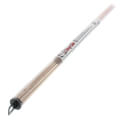
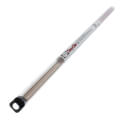
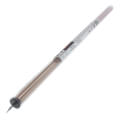
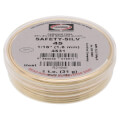
Silver Brazing Rods




 --%3E %3Csvg version='1.1' id='No-RB' xmlns='http://www.w3.org/2000/svg' xmlns:xlink='http://www.w3.org/1999/xlink' x='0px' y='0px' viewBox='0 0 100 100' enable-background='new 0 0 100 100' xml:space='preserve'%3E %3Cpath fill='%23CECECE' d='M79.44,0.95H20.56C9.78,0.95,0.95,9.78,0.95,20.56v58.87c0,10.79,8.82,19.61,19.61,19.61h58.87 c10.79,0,19.61-8.83,19.61-19.61V20.56C99.05,9.78,90.22,0.95,79.44,0.95z M65.38,58.24l9.38,29.58L49.69,69.78L24.5,87.82 l9.34-29.6L8.8,39.6l30.73-0.17c0,0,6.98-19.61,10-28.93c0.54,1.36,9.88,29.1,9.88,29.1H91.2L65.38,58.24z'/%3E %3C/svg%3E)

 --%3E %3Csvg version='1.1' id='Half' xmlns='http://www.w3.org/2000/svg' xmlns:xlink='http://www.w3.org/1999/xlink' x='0px' y='0px' viewBox='0 0 100 100' enable-background='new 0 0 100 100' xml:space='preserve'%3E %3Cg%3E %3Cpath fill='%23F15C02' d='M30.05,70.23l3.79-12.01L8.8,39.6l30.73-0.17c0,0,6.98-19.61,10-28.93c0.54,1.36,9.88,29.1,9.88,29.1h1.58 L93.71,7.18c-3.58-3.82-8.66-6.23-14.28-6.23H20.56C9.78,0.95,0.95,9.78,0.95,20.56v58.87c0,5.41,2.22,10.32,5.79,13.88 L30.05,70.23z'/%3E %3C/g%3E %3Cpath fill='%23FBC8B4' d='M93.71,7.18L60.98,39.6H91.2L65.38,58.24l9.38,29.58L49.69,69.78L24.5,87.82l5.55-17.59L6.75,93.32 c3.55,3.54,8.44,5.73,13.82,5.73h58.87c10.79,0,19.61-8.83,19.61-19.61V20.56C99.05,15.4,97.01,10.69,93.71,7.18z'/%3E %3C/svg%3E)
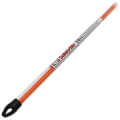
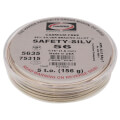
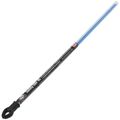
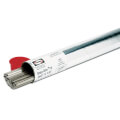
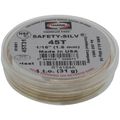
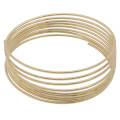
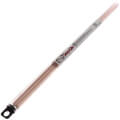
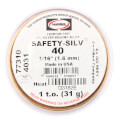

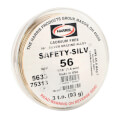
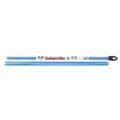


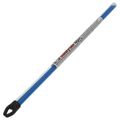
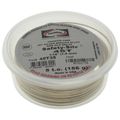

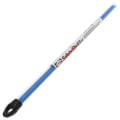
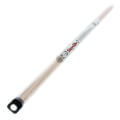
Silver brazing rods are filler metals technicians use to join copper, brass, and other non-ferrous piping in refrigeration, HVAC, and plumbing systems. A joint brazed with a silver bearing rod forms a strong, leak tight connection capable of handling the pressures found in refrigerant lines and hydronic piping.
Rod alloys vary by silver content, and a higher silver percentage generally lowers the melting point and improves flow into a tight joint, which matters when working close to sensitive components. Technicians brazing near electronic controls or plastic fittings often choose a lower temperature rod specifically to reduce heat transfer into nearby parts. Stocking a range of silver content options lets a crew match the rod to the joint instead of using one alloy for every application.
Subcategories
- High Silver Content Rods: Higher silver content rods flow at lower temperatures and suit copper to copper joints on refrigerant lines where heat needs to stay away from nearby components. Technicians brazing capillary tubes or joints close to a charge of refrigerant already in the line reach for these first.
- Low Silver Content Rods: Lower silver content rods work well on general plumbing and structural piping joints that do not sit near sensitive components. Crews running routine copper line installations often stock these for everyday joints that do not require the lower melting point of a higher silver alloy.
- Flux-Coated Silver Rods: Flux coated rods carry the flux directly on the rod surface, which helps when brazing stainless steel or dissimilar metal joints that need extra help wetting the surface evenly. Technicians save a step on the job since a separate flux paste does not need to be applied first.
- Bare Silver Rods: Bare silver rods pair with a separate flux paste applied to the joint before heating, giving a technician more control over how much flux reaches a specific area of the joint. Crews doing copper to copper work often prefer this combination for its predictable results.
Buying Guide
Selecting silver brazing rods starts with matching the alloy silver content to the metals being joined and the working temperature the assembly needs to tolerate. Copper to copper joints on refrigerant lines typically call for a higher silver content rod because it flows into a tight capillary joint at a lower temperature and reduces the risk of overheating nearby components.
Joints that involve dissimilar metals, such as copper to brass or copper to steel, often need a flux coated rod or a separate flux paste to help the filler metal wet both surfaces evenly. Technicians working near plastic valve bodies, electronic sensors, or refrigerant charge already in a line lean toward lower temperature alloys specifically to limit heat soak into sensitive parts.
Rod diameter also affects how a joint fills. A thinner rod suits small diameter tubing and tight capillary joints, while a heavier rod fills the wider gaps found on larger commercial piping runs faster and with less risk of an incomplete joint. Crews working across a mix of residential and commercial jobs often stock more than one diameter for this reason.
Silver Brazing Rods purchased in bulk quantities lower the per joint material cost for shops running frequent refrigeration or hydronic installation work, while smaller packs suit service trucks that only need occasional touch up repairs. Matching quantity to actual usage keeps rod on hand without tying up inventory that sits unused.
Frequently Asked Questions
What silver content is best for refrigeration brazing?
Higher silver content rods generally flow at lower temperatures, which helps when brazing joints close to electronic controls or refrigerant charge that should not overheat. A rod manufacturer's data sheet can confirm the appropriate alloy for a specific joint and metal combination.
Do silver brazing rods need a separate flux?
Bare silver rods typically need a separate flux paste applied to the joint before heating, while flux coated rods carry the flux directly on the rod surface. Flux coated rods can save a step on the job but need to match the specific metals being joined.
What is the difference between brazing and soldering?
Brazing uses filler metals with higher melting points than soldering, producing a stronger joint suited to pressurized refrigerant lines and structural piping connections. Soldering typically uses lower temperature filler metals better suited to potable water lines that will not see refrigerant pressures.
Can silver brazing rods join dissimilar metals?
Certain silver rod alloys are formulated to join dissimilar metals such as copper to brass or copper to steel, though the joint may need a flux suited specifically to that metal combination. Checking rod compatibility before starting a repair helps avoid a joint that will not hold under system pressure.
How should leftover brazing rods be stored?
Brazing rods should be kept dry and protected from corrosion, since a corroded rod surface can affect how well the filler metal flows into a joint. Keeping rods in their original packaging or a sealed container between uses helps maintain consistent performance.
