




Filters
SORT
Product Availability –
Brand –
Finish –
Series –
Review Score –
 --%3E %3Csvg version='1.1' id='Fill' xmlns='http://www.w3.org/2000/svg' xmlns:xlink='http://www.w3.org/1999/xlink' x='0px' y='0px' viewBox='0 0 100 100' enable-background='new 0 0 100 100' xml:space='preserve'%3E %3Cpath fill='%23F15C02' d='M79.44,0.95H20.56C9.78,0.95,0.95,9.78,0.95,20.56v58.87c0,10.79,8.82,19.61,19.61,19.61h58.87 c10.79,0,19.61-8.83,19.61-19.61V20.56C99.05,9.78,90.22,0.95,79.44,0.95z M65.38,58.24l9.38,29.58L49.69,69.78L24.5,87.82 l9.34-29.6L8.8,39.6l30.73-0.17c0,0,6.98-19.61,10-28.93c0.54,1.36,9.88,29.1,9.88,29.1H91.2L65.38,58.24z'/%3E %3C/svg%3E)
 --%3E %3Csvg version='1.1' id='With-RB' xmlns='http://www.w3.org/2000/svg' xmlns:xlink='http://www.w3.org/1999/xlink' x='0px' y='0px' viewBox='0 0 100 100' enable-background='new 0 0 100 100' xml:space='preserve'%3E %3Cpath fill='%23FBC8B4' d='M79.44,0.95H20.56C9.78,0.95,0.95,9.78,0.95,20.56v58.87c0,10.79,8.82,19.61,19.61,19.61h58.87 c10.79,0,19.61-8.83,19.61-19.61V20.56C99.05,9.78,90.22,0.95,79.44,0.95z M65.38,58.24l9.38,29.58L49.69,69.78L24.5,87.82 l9.34-29.6L8.8,39.6l30.73-0.17c0,0,6.98-19.61,10-28.93c0.54,1.36,9.88,29.1,9.88,29.1H91.2L65.38,58.24z'/%3E %3C/svg%3E)
Price Range –
Soap Dispensers


 --%3E %3Csvg version='1.1' id='No-RB' xmlns='http://www.w3.org/2000/svg' xmlns:xlink='http://www.w3.org/1999/xlink' x='0px' y='0px' viewBox='0 0 100 100' enable-background='new 0 0 100 100' xml:space='preserve'%3E %3Cpath fill='%23CECECE' d='M79.44,0.95H20.56C9.78,0.95,0.95,9.78,0.95,20.56v58.87c0,10.79,8.82,19.61,19.61,19.61h58.87 c10.79,0,19.61-8.83,19.61-19.61V20.56C99.05,9.78,90.22,0.95,79.44,0.95z M65.38,58.24l9.38,29.58L49.69,69.78L24.5,87.82 l9.34-29.6L8.8,39.6l30.73-0.17c0,0,6.98-19.61,10-28.93c0.54,1.36,9.88,29.1,9.88,29.1H91.2L65.38,58.24z'/%3E %3C/svg%3E)





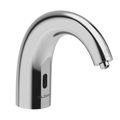


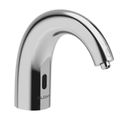





Soap Dispensers are wall-mounted or countertop fixtures that hold and dispense liquid or foam hand soap in commercial and institutional restrooms. Soap dispensers range from manual push-valve models to automatic touchless units, with capacities such as the Bobrick B-4112's 40 fl oz reservoir covering a full day of moderate restroom traffic. Facility managers and plumbing contractors select these fixtures based on traffic volume, soap type, and whether hands-free operation is needed for hygiene reasons. Stainless steel construction, like the Type 304 stainless steel used in Bobrick's automatic foam models, holds up to the frequent cleaning and heavy use found in public restrooms. Mounting style also varies, with wall-mounted units suited to fixed restroom layouts and countertop models offering flexibility for smaller spaces. Because refill frequency and vandalism resistance both affect long-term maintenance, matching dispenser capacity and construction to the facility's traffic pattern makes the fixture easier to maintain over its service life.
Subcategories
- Manual Liquid Soap Dispensers: Manual Liquid Soap Dispensers use a push-valve mechanism to release a set amount of liquid soap with each press. Facility managers install these in lower-traffic restrooms and break rooms where automatic operation isn't necessary. The Bobrick B-155 Liquidmate model uses a corrosion-resistant valve built for thin, free-flowing commercial hand soaps. They require no batteries or power source, keeping maintenance limited to periodic refills.
- Automatic Foam Soap Dispensers: Automatic Foam Soap Dispensers use a sensor to dispense a measured amount of foam soap without contact. Facilities prioritizing hygiene, such as healthcare settings and high-traffic public restrooms, install these to reduce surface contact. The Bobrick B-2013 model is built in Type 304 stainless steel and handles a range of bulk foam soaps, including alcohol-based hand sanitizers. Battery or hardwired power keeps the sensor and pump running between service visits.
- Bulk-Fill Dispensers: Bulk-Fill Dispensers hold a larger soap reservoir that's refilled directly from a bulk container rather than a disposable cartridge. Facilities with high restroom traffic, such as schools and stadiums, use bulk-fill units to cut down on how often staff need to refill them. The Bobrick B-4112 ConturaSeries model holds 40 fl oz of liquid soap in a wall-mounted, manual push-valve design. Bulk-fill systems reduce how often staff need to handle refills, but do require staff to manage open soap containers during service.
- Countertop Soap Dispensers: Countertop Soap Dispensers sit on a vanity or counter rather than mounting to the wall, offering flexible placement in smaller or renovated restrooms. Facilities without wall space for permanent mounting, or those needing temporary or portable dispensing, choose countertop units. Most countertop models use the same manual or automatic mechanisms found in wall-mounted dispensers, just in a freestanding housing. They're easier to relocate during a remodel since no wall anchoring is required.
Buying Guide
Start with restroom traffic volume. High-traffic public restrooms need larger reservoirs, such as the 40 fl oz capacity found on bulk-fill models, or automatic dispensers that reduce contact and refill frequency during business hours. Low-traffic spaces like single-occupancy restrooms or break rooms can run on smaller manual units without frequent attention. Facilities should also factor in cleaning staff schedules, since a dispenser sized to outlast the interval between refills cuts down on empty units mid-shift.
Next, decide between manual and automatic operation. Manual push-valve dispensers need no power source and are simpler to install, while automatic touchless models need battery or hardwired power but reduce cross-contamination in shared restrooms. Healthcare facilities and food service settings often prioritize touchless operation for this reason.
When choosing Soap Dispensers for a facility, construction material matters as much as mechanism. Stainless steel housings, such as Type 304 stainless steel, hold up better against heavy cleaning chemicals and vandalism than plastic housings in high-traffic public restrooms.
Finally, match soap type to the dispenser's valve design. Liquid, foam, and gel soaps each require a specific valve style, and using the wrong soap type in a dispenser built for another can clog the mechanism or waste product. Confirming compatible soap type with the fixture's specifications before ordering refills avoids maintenance calls down the line.
Frequently Asked Questions
What's the difference between manual and automatic soap dispensers?
Manual soap dispensers use a push-valve that releases soap with physical contact and need no power source. Automatic dispensers use a sensor to release soap without contact, requiring battery or hardwired power. Facilities prioritizing hygiene often choose automatic units, while manual units suit lower-traffic or budget-limited installs.
How much soap does a typical commercial dispenser hold?
Commercial soap dispenser capacity varies by model, with bulk-fill units like the Bobrick B-4112 holding 40 fl oz of liquid soap. Larger capacities reduce how often staff need to refill the unit during busy periods. Matching capacity to expected daily traffic keeps the dispenser from running empty mid-shift.
What material holds up best in high-traffic restrooms?
Type 304 stainless steel, used in models like the Bobrick B-2013, resists corrosion and stands up to frequent cleaning and heavy use. Stainless steel housings also resist vandalism better than plastic alternatives in public or high-traffic restrooms. Facility managers specifying fixtures for schools, stadiums, or transit stations often lean toward stainless steel for that durability.
Can foam and liquid soap dispensers use the same soap?
Foam dispensers require a specifically formulated foam soap that aerates through the pump mechanism, while liquid dispensers work with standard free-flowing liquid soap. Using the wrong soap type in either mechanism can clog the valve or produce inconsistent dispensing. Checking the soap type recommended for the specific dispenser model avoids maintenance issues.
Do soap dispensers need to be wall-mounted?
Wall-mounted soap dispensers suit fixed restroom layouts and permanent installations where the fixture won't move. Countertop dispensers offer flexible placement for smaller spaces or temporary setups without wall anchoring. Facilities remodeling a restroom or working with limited wall space often choose countertop units for that flexibility.
