




Filters
SORT
Product Availability –
Energy Factor –
Features –
Flow Rate At 50F Temp Rise (GPM) –
BTU (Min) –
Installation Type –
Depth (Inches) –
Flow Rate At 40F Temp Rise (GPM) –
Fuel Type –
Type –
Includes –
Application –
BTU (Max) –
Vent Type –
Flow Rate At 70F Temp Rise (GPM) –
Flow Rate At 60F Temp Rise (GPM) –
Width (Inches) –
Review Score –
 --%3E %3Csvg version='1.1' id='Fill' xmlns='http://www.w3.org/2000/svg' xmlns:xlink='http://www.w3.org/1999/xlink' x='0px' y='0px' viewBox='0 0 100 100' enable-background='new 0 0 100 100' xml:space='preserve'%3E %3Cpath fill='%23F15C02' d='M79.44,0.95H20.56C9.78,0.95,0.95,9.78,0.95,20.56v58.87c0,10.79,8.82,19.61,19.61,19.61h58.87 c10.79,0,19.61-8.83,19.61-19.61V20.56C99.05,9.78,90.22,0.95,79.44,0.95z M65.38,58.24l9.38,29.58L49.69,69.78L24.5,87.82 l9.34-29.6L8.8,39.6l30.73-0.17c0,0,6.98-19.61,10-28.93c0.54,1.36,9.88,29.1,9.88,29.1H91.2L65.38,58.24z'/%3E %3C/svg%3E)
 --%3E %3Csvg version='1.1' id='With-RB' xmlns='http://www.w3.org/2000/svg' xmlns:xlink='http://www.w3.org/1999/xlink' x='0px' y='0px' viewBox='0 0 100 100' enable-background='new 0 0 100 100' xml:space='preserve'%3E %3Cpath fill='%23FBC8B4' d='M79.44,0.95H20.56C9.78,0.95,0.95,9.78,0.95,20.56v58.87c0,10.79,8.82,19.61,19.61,19.61h58.87 c10.79,0,19.61-8.83,19.61-19.61V20.56C99.05,9.78,90.22,0.95,79.44,0.95z M65.38,58.24l9.38,29.58L49.69,69.78L24.5,87.82 l9.34-29.6L8.8,39.6l30.73-0.17c0,0,6.98-19.61,10-28.93c0.54,1.36,9.88,29.1,9.88,29.1H91.2L65.38,58.24z'/%3E %3C/svg%3E)
Price Range –
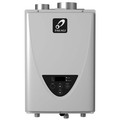
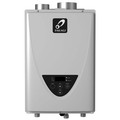
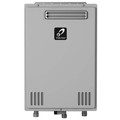
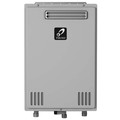
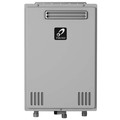
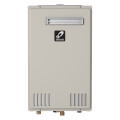
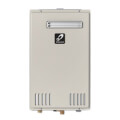
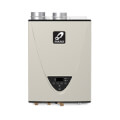
Takagi Tankless Water Heaters

 --%3E %3Csvg version='1.1' id='Half' xmlns='http://www.w3.org/2000/svg' xmlns:xlink='http://www.w3.org/1999/xlink' x='0px' y='0px' viewBox='0 0 100 100' enable-background='new 0 0 100 100' xml:space='preserve'%3E %3Cg%3E %3Cpath fill='%23F15C02' d='M30.05,70.23l3.79-12.01L8.8,39.6l30.73-0.17c0,0,6.98-19.61,10-28.93c0.54,1.36,9.88,29.1,9.88,29.1h1.58 L93.71,7.18c-3.58-3.82-8.66-6.23-14.28-6.23H20.56C9.78,0.95,0.95,9.78,0.95,20.56v58.87c0,5.41,2.22,10.32,5.79,13.88 L30.05,70.23z'/%3E %3C/g%3E %3Cpath fill='%23FBC8B4' d='M93.71,7.18L60.98,39.6H91.2L65.38,58.24l9.38,29.58L49.69,69.78L24.5,87.82l5.55-17.59L6.75,93.32 c3.55,3.54,8.44,5.73,13.82,5.73h58.87c10.79,0,19.61-8.83,19.61-19.61V20.56C99.05,15.4,97.01,10.69,93.71,7.18z'/%3E %3C/svg%3E)


 --%3E %3Csvg version='1.1' id='No-RB' xmlns='http://www.w3.org/2000/svg' xmlns:xlink='http://www.w3.org/1999/xlink' x='0px' y='0px' viewBox='0 0 100 100' enable-background='new 0 0 100 100' xml:space='preserve'%3E %3Cpath fill='%23CECECE' d='M79.44,0.95H20.56C9.78,0.95,0.95,9.78,0.95,20.56v58.87c0,10.79,8.82,19.61,19.61,19.61h58.87 c10.79,0,19.61-8.83,19.61-19.61V20.56C99.05,9.78,90.22,0.95,79.44,0.95z M65.38,58.24l9.38,29.58L49.69,69.78L24.5,87.82 l9.34-29.6L8.8,39.6l30.73-0.17c0,0,6.98-19.61,10-28.93c0.54,1.36,9.88,29.1,9.88,29.1H91.2L65.38,58.24z'/%3E %3C/svg%3E)
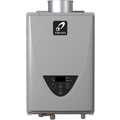
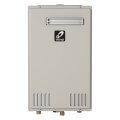
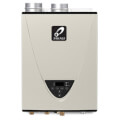
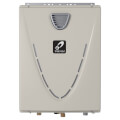
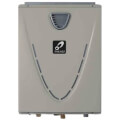
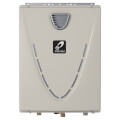
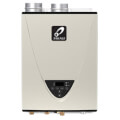
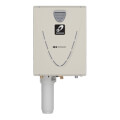
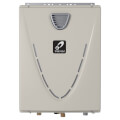
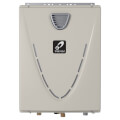
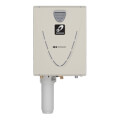


Takagi tankless water heaters are gas-fired units that heat water on demand rather than storing a fixed volume in a tank, so hot water output is limited by flow rate and incoming water temperature instead of tank capacity. The lineup spans roughly 6.6 to 10 gallons per minute depending on model, with both condensing and non-condensing designs available in natural gas and propane versions. Condensing models recover additional heat from exhaust gases for higher efficiency but require a condensate drain, while non-condensing models are simpler to vent but run at a lower efficiency. Residential models in the lineup carry a 15-year warranty on the heat exchanger, one of the longer terms in the category. Matching a unit's rated flow to the home's peak simultaneous hot water demand, not just its average draw, is the first step in specifying the right size.
Subcategories
- Condensing High-Capacity Models: These units are rated up to 10 gallons per minute and roughly 199,000 BTU, making them suited to larger homes or installations with multiple simultaneous hot water draws such as a shower running alongside a dishwasher. Condensing operation recovers heat from the exhaust that a non-condensing unit would otherwise vent outside, improving overall efficiency. Both indoor and outdoor venting configurations are available in this tier, along with natural gas and propane fuel options. A condensate drain is required for these models, which is worth confirming during installation planning.
- Condensing Mid and Lower-Capacity Models: This tier covers roughly 6.6 to 8 gallons per minute at lower BTU inputs than the high-capacity condensing units, suited to smaller households or applications with fewer simultaneous draws. These models retain the efficiency benefit of condensing operation while carrying a smaller physical footprint and typically a lower installed cost than the highest-capacity units. Indoor and outdoor venting options are available across this tier as well. Sizing correctly still depends on peak simultaneous demand rather than average household use.
- Non-Condensing Models: Non-condensing units skip the heat recovery step, which simplifies venting since no condensate drain is required, at the cost of lower overall efficiency compared to a condensing unit of similar capacity. These models are available in a similar flow range to the condensing lineup and are often chosen where venting a condensate line is impractical or where upfront installed cost is a bigger factor than long-term efficiency. Both indoor and outdoor venting configurations exist within the non-condensing lineup as well.
- Indoor and Outdoor Venting Options: Most Takagi models are available in both indoor units, which vent through a wall or roof penetration, and outdoor units, designed to sit outside the building envelope without additional venting hardware. The right choice depends mostly on available installation space and local code requirements for gas appliance venting. Outdoor models simplify installation in climates where freeze protection is not a major concern, while indoor models keep the unit protected from weather extremes in colder regions.
Buying Guide
Sizing a Takagi tankless water heater starts with peak simultaneous hot water demand rather than the household's average daily use, since the unit has to keep up with every fixture that could reasonably run hot water at the same time, such as two showers and a washing machine during a busy morning. Flow rate in gallons per minute is the key spec to match against that peak demand, and the incoming groundwater temperature in a given region affects how much of the unit's rated capacity is actually usable, since colder incoming water requires more energy per gallon to reach the target output temperature. The choice between condensing and non-condensing comes down to a tradeoff between efficiency and installation complexity: a condensing unit recovers more heat and lowers operating cost over time but requires a condensate drain, while a non-condensing unit is simpler to vent but runs less efficiently. Indoor versus outdoor placement depends on available space and regional climate, with outdoor units avoiding an indoor venting run but needing enough weather protection in colder climates. Fuel type, natural gas or propane, has to match the home's existing gas service rather than being changed after the unit is selected. Finally, the heat exchanger warranty term is worth comparing across models in the lineup, since it varies by model and reflects the expected service life of the core component most exposed to combustion byproducts and water quality issues over time.
Frequently Asked Questions
How do I size a Takagi tankless water heater for my home?
Size based on peak simultaneous hot water demand, meaning every fixture that could run hot water at the same time, rather than average daily use. Match that demand against the unit's rated flow in gallons per minute.
What is the difference between a condensing and non-condensing Takagi unit?
Condensing units recover additional heat from exhaust gases for higher efficiency but require a condensate drain. Non-condensing units are simpler to vent but operate at a lower efficiency.
Can a Takagi tankless water heater be installed outdoors?
Yes, outdoor models are available across most of the lineup and are designed to sit outside the building envelope without additional venting hardware, though weather protection should be considered in colder climates.
What warranty do Takagi tankless water heaters carry on the heat exchanger?
Residential models in the lineup carry a 15-year warranty on the heat exchanger, though the exact term should be confirmed for the specific model being installed.
Does incoming water temperature affect which Takagi model I should choose?
Yes. Colder incoming groundwater requires more energy per gallon to reach the target output temperature, which reduces the usable flow rate compared to the unit's rated capacity in warmer regions.
