




Filters
SORT
Product Availability –
Tank Volume –
Review Score –
 --%3E %3Csvg version='1.1' id='Fill' xmlns='http://www.w3.org/2000/svg' xmlns:xlink='http://www.w3.org/1999/xlink' x='0px' y='0px' viewBox='0 0 100 100' enable-background='new 0 0 100 100' xml:space='preserve'%3E %3Cpath fill='%23F15C02' d='M79.44,0.95H20.56C9.78,0.95,0.95,9.78,0.95,20.56v58.87c0,10.79,8.82,19.61,19.61,19.61h58.87 c10.79,0,19.61-8.83,19.61-19.61V20.56C99.05,9.78,90.22,0.95,79.44,0.95z M65.38,58.24l9.38,29.58L49.69,69.78L24.5,87.82 l9.34-29.6L8.8,39.6l30.73-0.17c0,0,6.98-19.61,10-28.93c0.54,1.36,9.88,29.1,9.88,29.1H91.2L65.38,58.24z'/%3E %3C/svg%3E)
 --%3E %3Csvg version='1.1' id='With-RB' xmlns='http://www.w3.org/2000/svg' xmlns:xlink='http://www.w3.org/1999/xlink' x='0px' y='0px' viewBox='0 0 100 100' enable-background='new 0 0 100 100' xml:space='preserve'%3E %3Cpath fill='%23FBC8B4' d='M79.44,0.95H20.56C9.78,0.95,0.95,9.78,0.95,20.56v58.87c0,10.79,8.82,19.61,19.61,19.61h58.87 c10.79,0,19.61-8.83,19.61-19.61V20.56C99.05,9.78,90.22,0.95,79.44,0.95z M65.38,58.24l9.38,29.58L49.69,69.78L24.5,87.82 l9.34-29.6L8.8,39.6l30.73-0.17c0,0,6.98-19.61,10-28.93c0.54,1.36,9.88,29.1,9.88,29.1H91.2L65.38,58.24z'/%3E %3C/svg%3E)
Price Range –
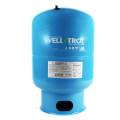
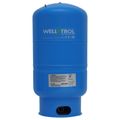
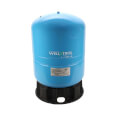
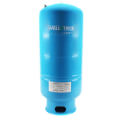
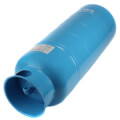
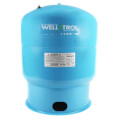
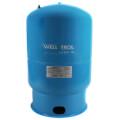
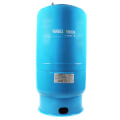
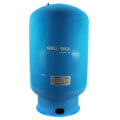
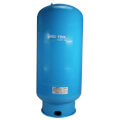
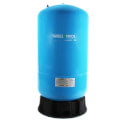
WELL-X-TROL Stand Tanks


 --%3E %3Csvg version='1.1' id='Half' xmlns='http://www.w3.org/2000/svg' xmlns:xlink='http://www.w3.org/1999/xlink' x='0px' y='0px' viewBox='0 0 100 100' enable-background='new 0 0 100 100' xml:space='preserve'%3E %3Cg%3E %3Cpath fill='%23F15C02' d='M30.05,70.23l3.79-12.01L8.8,39.6l30.73-0.17c0,0,6.98-19.61,10-28.93c0.54,1.36,9.88,29.1,9.88,29.1h1.58 L93.71,7.18c-3.58-3.82-8.66-6.23-14.28-6.23H20.56C9.78,0.95,0.95,9.78,0.95,20.56v58.87c0,5.41,2.22,10.32,5.79,13.88 L30.05,70.23z'/%3E %3C/g%3E %3Cpath fill='%23FBC8B4' d='M93.71,7.18L60.98,39.6H91.2L65.38,58.24l9.38,29.58L49.69,69.78L24.5,87.82l5.55-17.59L6.75,93.32 c3.55,3.54,8.44,5.73,13.82,5.73h58.87c10.79,0,19.61-8.83,19.61-19.61V20.56C99.05,15.4,97.01,10.69,93.71,7.18z'/%3E %3C/svg%3E)


 --%3E %3Csvg version='1.1' id='No-RB' xmlns='http://www.w3.org/2000/svg' xmlns:xlink='http://www.w3.org/1999/xlink' x='0px' y='0px' viewBox='0 0 100 100' enable-background='new 0 0 100 100' xml:space='preserve'%3E %3Cpath fill='%23CECECE' d='M79.44,0.95H20.56C9.78,0.95,0.95,9.78,0.95,20.56v58.87c0,10.79,8.82,19.61,19.61,19.61h58.87 c10.79,0,19.61-8.83,19.61-19.61V20.56C99.05,9.78,90.22,0.95,79.44,0.95z M65.38,58.24l9.38,29.58L49.69,69.78L24.5,87.82 l9.34-29.6L8.8,39.6l30.73-0.17c0,0,6.98-19.61,10-28.93c0.54,1.36,9.88,29.1,9.88,29.1H91.2L65.38,58.24z'/%3E %3C/svg%3E)
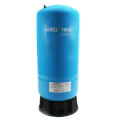
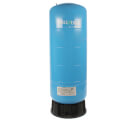
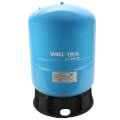
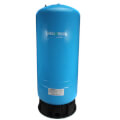



WELL-X-TROL stand tanks are pre-pressurized water storage vessels installed upright in residential and light-commercial well and booster pump systems. Manufactured by Amtrol, the tanks hold a reserve of water under air pressure so the pump cycles less often, which reduces motor wear and evens out water pressure delivered to fixtures. Every stand tank ships with a 25 PSIG factory pre-charge and uses either a diaphragm or a replaceable butyl bladder to separate the air charge from the stored water, keeping the compressed air from dissolving into the supply. Steel shells meet ASME Section VIII, Division 1 requirements, and malleable iron connections handle the piping tie-in at the tank base. Well contractors size a stand tank to the pump's draw-down needs and the household's peak demand, since an undersized tank forces the pump to short-cycle even when the system otherwise checks out fine.
Subcategories
- Diaphragm Stand Tanks: Diaphragm tanks use a fixed butyl diaphragm bonded inside the shell to separate the air charge from the water, with an antimicrobial lining tested against Legionella, Staphylococcus, and E. coli. Well contractors specify diaphragm construction on straightforward residential jobs where the built-in liner reduces bacterial growth concerns without a separate treatment step. Maximum operating temperature on diaphragm models runs to 200 degrees Fahrenheit, which covers standard potable water service.
- Full Acceptance Bladder Stand Tanks: Full acceptance bladder tanks rely on a thick butyl bladder that can be replaced independently of the steel shell if it ever wears out, extending the service life of the tank itself. The bladder design tolerates operating temperatures up to 240 degrees Fahrenheit, higher than diaphragm models, which suits systems that see warmer supply water. Replacing just the bladder instead of the whole tank keeps a repair job smaller and faster on service calls.
- Partial Acceptance Bladder Stand Tanks: Partial acceptance bladder tanks use a similar replaceable butyl bladder construction to full acceptance models but hold a smaller drawdown volume relative to overall tank size. Contractors reach for partial acceptance tanks in tighter mechanical rooms or crawlspaces where a full acceptance tank's footprint will not fit. Like the full acceptance line, the bladder can be swapped out separately from the tank shell when it needs replacement.
- High-Pressure Rated Stand Tanks (250 to 300 PSIG): Some WELL-X-TROL stand tanks carry submittal ratings up to 250 or 300 PSIG maximum working pressure, well above the standard residential range, for booster pump applications feeding high-rise or multi-story buildings. These higher-rated tanks still use ASME-approved steel shells and the same diaphragm or bladder options as standard models. Specifying a high-pressure tank matters most on commercial booster systems where discharge pressure regularly runs higher than a typical residential well setup.
- Stand Tanks with Sight Glass and Seismic Restraint Options: Certain stand tank models add an optional sight glass so a technician can visually confirm the air-to-water ratio inside the tank without disconnecting piping. Seismic restraint hardware is also available as an option on select models for installations in regions with local code requirements for anchoring pressurized vessels. Both options mount to the same ASME-compliant steel shell used across the standard stand tank lineup.
Buying Guide
Sizing a WELL-X-TROL stand tank starts with the pump's rated flow and the system's target drawdown, since a tank that is too small forces the pump to cycle on and off far more often than intended, shortening motor life. Contractors also need to confirm the tank's pre-charge pressure against the pump's cut-in setting before installation, since a mismatch between the two throws off the tank's effective drawdown volume even on a correctly sized unit.
Diaphragm and bladder construction matter for water quality and long-term maintenance. Diaphragm models carry a built-in antimicrobial lining and suit straightforward residential replacements, while bladder models let a technician replace just the bladder years down the road instead of swapping the entire tank. For WELL-X-TROL Stand Tanks specifically, checking the maximum working pressure rating against the pump's discharge pressure is worth doing before ordering, since commercial booster applications often run higher pressures than a typical household well system.
Physical clearance is the last check: stand tanks require enough vertical space for the upright shell plus room to access the air valve and pressure gauge for future recharging. Confirming floor loading in a mechanical room also matters on larger tanks, since a filled tank weighs considerably more than an empty one. Getting these dimensions confirmed before delivery avoids a return trip for a smaller or shorter model.
Frequently Asked Questions
What does the pre-charge pressure on a WELL-X-TROL stand tank need to match?
Pre-charge pressure should be set a few PSI below the pump's cut-in pressure so the tank delivers its full rated drawdown before the pump switches on. Checking this setting during installation, and again during routine service, keeps the tank working at its designed capacity.
How is a diaphragm stand tank different from a bladder stand tank?
A diaphragm tank uses a fixed liner bonded inside the shell, while a bladder tank uses a separate, replaceable butyl bladder that can be swapped out without replacing the entire tank. Bladder models also tolerate higher operating temperatures than diaphragm models, up to 240 degrees Fahrenheit versus 200.
Can a stand tank be used for a commercial booster pump system?
Yes, higher-pressure stand tank models rated to 250 or 300 PSIG are built for commercial booster applications feeding multi-story buildings. Confirming the tank's maximum working pressure against the booster pump's discharge pressure before ordering is the key step.
Does a WELL-X-TROL stand tank need routine maintenance?
Checking the pre-charge air pressure periodically and confirming the sight glass, on models equipped with one, shows the correct water level are the main upkeep tasks. Bladder-style tanks also allow the bladder itself to be replaced if it fails, without swapping the full tank.
What's the warranty coverage on a WELL-X-TROL stand tank?
WELL-X-TROL stand tanks carry a 3-year limited warranty from Amtrol. Reviewing the specific model's submittal documentation confirms the exact terms and any conditions tied to installation or water quality.
