



Filters
SORT
Product Availability –
Brand –
Product Type –
Size –
Length (Inches) –
Color –
Material –
Review Score –
 --%3E %3Csvg version='1.1' id='Fill' xmlns='http://www.w3.org/2000/svg' xmlns:xlink='http://www.w3.org/1999/xlink' x='0px' y='0px' viewBox='0 0 100 100' enable-background='new 0 0 100 100' xml:space='preserve'%3E %3Cpath fill='%23F15C02' d='M79.44,0.95H20.56C9.78,0.95,0.95,9.78,0.95,20.56v58.87c0,10.79,8.82,19.61,19.61,19.61h58.87 c10.79,0,19.61-8.83,19.61-19.61V20.56C99.05,9.78,90.22,0.95,79.44,0.95z M65.38,58.24l9.38,29.58L49.69,69.78L24.5,87.82 l9.34-29.6L8.8,39.6l30.73-0.17c0,0,6.98-19.61,10-28.93c0.54,1.36,9.88,29.1,9.88,29.1H91.2L65.38,58.24z'/%3E %3C/svg%3E)
 --%3E %3Csvg version='1.1' id='With-RB' xmlns='http://www.w3.org/2000/svg' xmlns:xlink='http://www.w3.org/1999/xlink' x='0px' y='0px' viewBox='0 0 100 100' enable-background='new 0 0 100 100' xml:space='preserve'%3E %3Cpath fill='%23FBC8B4' d='M79.44,0.95H20.56C9.78,0.95,0.95,9.78,0.95,20.56v58.87c0,10.79,8.82,19.61,19.61,19.61h58.87 c10.79,0,19.61-8.83,19.61-19.61V20.56C99.05,9.78,90.22,0.95,79.44,0.95z M65.38,58.24l9.38,29.58L49.69,69.78L24.5,87.82 l9.34-29.6L8.8,39.6l30.73-0.17c0,0,6.98-19.61,10-28.93c0.54,1.36,9.88,29.1,9.88,29.1H91.2L65.38,58.24z'/%3E %3C/svg%3E)
Price Range –
Channel and Trench Drains

 --%3E %3Csvg version='1.1' id='Half' xmlns='http://www.w3.org/2000/svg' xmlns:xlink='http://www.w3.org/1999/xlink' x='0px' y='0px' viewBox='0 0 100 100' enable-background='new 0 0 100 100' xml:space='preserve'%3E %3Cg%3E %3Cpath fill='%23F15C02' d='M30.05,70.23l3.79-12.01L8.8,39.6l30.73-0.17c0,0,6.98-19.61,10-28.93c0.54,1.36,9.88,29.1,9.88,29.1h1.58 L93.71,7.18c-3.58-3.82-8.66-6.23-14.28-6.23H20.56C9.78,0.95,0.95,9.78,0.95,20.56v58.87c0,5.41,2.22,10.32,5.79,13.88 L30.05,70.23z'/%3E %3C/g%3E %3Cpath fill='%23FBC8B4' d='M93.71,7.18L60.98,39.6H91.2L65.38,58.24l9.38,29.58L49.69,69.78L24.5,87.82l5.55-17.59L6.75,93.32 c3.55,3.54,8.44,5.73,13.82,5.73h58.87c10.79,0,19.61-8.83,19.61-19.61V20.56C99.05,15.4,97.01,10.69,93.71,7.18z'/%3E %3C/svg%3E)

 --%3E %3Csvg version='1.1' id='No-RB' xmlns='http://www.w3.org/2000/svg' xmlns:xlink='http://www.w3.org/1999/xlink' x='0px' y='0px' viewBox='0 0 100 100' enable-background='new 0 0 100 100' xml:space='preserve'%3E %3Cpath fill='%23CECECE' d='M79.44,0.95H20.56C9.78,0.95,0.95,9.78,0.95,20.56v58.87c0,10.79,8.82,19.61,19.61,19.61h58.87 c10.79,0,19.61-8.83,19.61-19.61V20.56C99.05,9.78,90.22,0.95,79.44,0.95z M65.38,58.24l9.38,29.58L49.69,69.78L24.5,87.82 l9.34-29.6L8.8,39.6l30.73-0.17c0,0,6.98-19.61,10-28.93c0.54,1.36,9.88,29.1,9.88,29.1H91.2L65.38,58.24z'/%3E %3C/svg%3E)
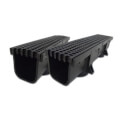
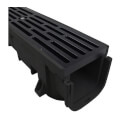
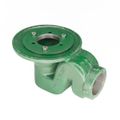

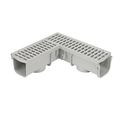
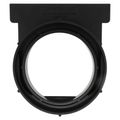
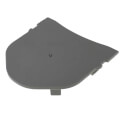
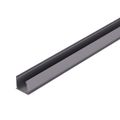

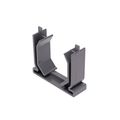
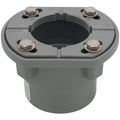

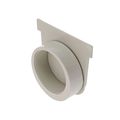
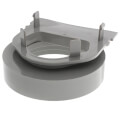
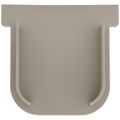
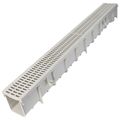
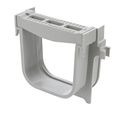
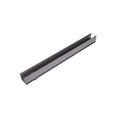
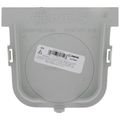
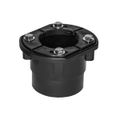
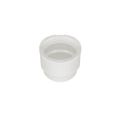
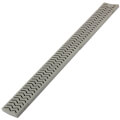
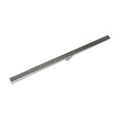

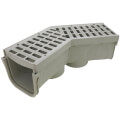
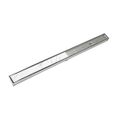
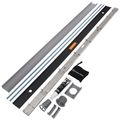
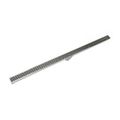
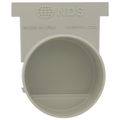
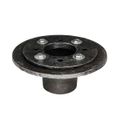
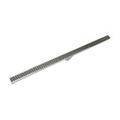
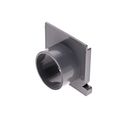
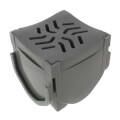
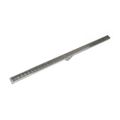


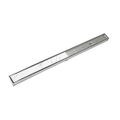

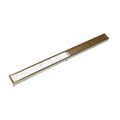
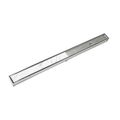

Channel and trench drains are linear drainage systems set into a floor or pavement surface to collect surface water or wastewater along a run rather than at a single point, directing it into the plumbing or stormwater system below. Contractors specify them anywhere water sheets across a wide area and needs a continuous low point to drain toward, such as garage floors, loading docks, commercial kitchens, pool decks, and parking areas. A typical assembly pairs a channel body, usually plastic, polymer concrete, or fiberglass, with a removable grate on top rated for the foot or vehicle traffic expected to cross it. Because the channel runs the length of the collection area instead of relying on floor slope toward a single drain, it can shorten the slope distance needed and simplify how a slab is pitched during construction. Picking the right system means matching channel length, grate load rating, and outlet configuration to the site, then confirming the drain ties into the building's waste or stormwater piping correctly.
Subcategories
- Residential and Light-Duty Trench Drains: Light-duty trench drains handle foot traffic and occasional car tires, which covers most driveway, patio, and garage applications around a house. Channel bodies in this tier are usually PVC or polymer, paired with plastic or lightweight metal grates. Installers size the run to the drainage area and slope the channel or rely on the unit's built-in slope to move water to the outlet.
- Commercial and Heavy-Duty Trench Drains: Heavy-duty trench drains are built for parking structures, loading docks, and other areas that see repeated heavy vehicle traffic, and they generally use polymer concrete or fiberglass channel bodies with cast iron or ductile iron grates. The higher load rating on both the channel and grate is what separates this tier from residential-grade products. Commercial kitchens also fall into this category because of the frequent washdown and grease-laden water these drains need to handle.
- Trench Drain Grates and Accessories: Grates, end caps, outlet adapters, and catch basins round out a trench drain installation and are typically sold separately from the channel body so a contractor can match grate style, material, and load rating to the specific site. Slotted, grated, and perforated patterns each affect how quickly water enters the channel and how much debris passes through with it. End outlets and bottom outlets both come up depending on where the tie-in to the waste line sits relative to the trench run.
Buying Guide
Selecting a channel or trench drain starts with the load the grate will see day to day: a residential patio only needs a pedestrian-rated grate, while a loading dock or parking structure calls for a grate rated for repeated vehicle traffic. Choosing a grate rated below the actual traffic load is one of the more common callback-generating mistakes on a commercial job, so confirming the rating against the site's real use is worth the extra check.
Channel body material matters almost as much as the grate: PVC and polymer channels work well for light residential runs, while polymer concrete and fiberglass hold up better under heavy loads, chemical exposure, or frequent washdown, which is why commercial kitchens and industrial floors lean toward those materials. Channel and Trench Drains also vary in how they achieve slope, some rely on the installer sloping the surrounding slab, while others have a built-in fall along the channel length that removes that step from the install.
Outlet location and size need to match the waste or stormwater line the drain ties into, and running the total drainage capacity of the connected area against the channel's flow rating avoids a system that backs up during heavy rain or a high-volume washdown. Local plumbing and stormwater code often dictates minimum sizing and backflow protection for these installations as well, so checking those requirements before finalizing an order saves a redesign later.
Frequently Asked Questions
What's the difference between a channel drain and a trench drain?
The terms are largely used interchangeably in the trade, both describing a linear drain set into the floor, though channel drain sometimes refers to smaller, shallower runs and trench drain to larger, deeper commercial installations.
How is the right grate load rating chosen?
Grate load rating should match the heaviest traffic expected to cross it, so a driveway or garage needs at least a light vehicular rating while a loading dock or parking structure needs a heavy-duty rating.
Do trench drains need a separate slope built into the slab?
It depends on the product: some channels rely on the surrounding slab being sloped toward them, while others have a built-in fall along the channel itself that removes that requirement.
What channel material holds up best in a commercial kitchen?
Polymer concrete and fiberglass channels are generally preferred for commercial kitchens because they resist the heat, grease, and frequent washdown that a plastic channel handles less well over time.
Can a residential-grade trench drain be used in a garage that sees occasional truck traffic?
A light-duty drain may not hold up under repeated heavy vehicle loads, so a garage that regularly sees trucks or heavy equipment is better matched to a commercial or heavy-duty rated system.
