




Filters
SORT
Product Availability –
Product Type –
Brand –
Application –
Size –
Inlet Type –
Wall Thickness –
Anti-siphon –
Review Score –
 --%3E %3Csvg version='1.1' id='Fill' xmlns='http://www.w3.org/2000/svg' xmlns:xlink='http://www.w3.org/1999/xlink' x='0px' y='0px' viewBox='0 0 100 100' enable-background='new 0 0 100 100' xml:space='preserve'%3E %3Cpath fill='%23F15C02' d='M79.44,0.95H20.56C9.78,0.95,0.95,9.78,0.95,20.56v58.87c0,10.79,8.82,19.61,19.61,19.61h58.87 c10.79,0,19.61-8.83,19.61-19.61V20.56C99.05,9.78,90.22,0.95,79.44,0.95z M65.38,58.24l9.38,29.58L49.69,69.78L24.5,87.82 l9.34-29.6L8.8,39.6l30.73-0.17c0,0,6.98-19.61,10-28.93c0.54,1.36,9.88,29.1,9.88,29.1H91.2L65.38,58.24z'/%3E %3C/svg%3E)
 --%3E %3Csvg version='1.1' id='With-RB' xmlns='http://www.w3.org/2000/svg' xmlns:xlink='http://www.w3.org/1999/xlink' x='0px' y='0px' viewBox='0 0 100 100' enable-background='new 0 0 100 100' xml:space='preserve'%3E %3Cpath fill='%23FBC8B4' d='M79.44,0.95H20.56C9.78,0.95,0.95,9.78,0.95,20.56v58.87c0,10.79,8.82,19.61,19.61,19.61h58.87 c10.79,0,19.61-8.83,19.61-19.61V20.56C99.05,9.78,90.22,0.95,79.44,0.95z M65.38,58.24l9.38,29.58L49.69,69.78L24.5,87.82 l9.34-29.6L8.8,39.6l30.73-0.17c0,0,6.98-19.61,10-28.93c0.54,1.36,9.88,29.1,9.88,29.1H91.2L65.38,58.24z'/%3E %3C/svg%3E)
Price Range –
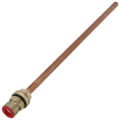
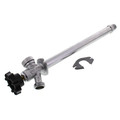
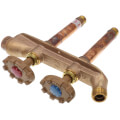
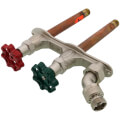
Frost Free (Frost-Proof) Sillcocks

 --%3E %3Csvg version='1.1' id='No-RB' xmlns='http://www.w3.org/2000/svg' xmlns:xlink='http://www.w3.org/1999/xlink' x='0px' y='0px' viewBox='0 0 100 100' enable-background='new 0 0 100 100' xml:space='preserve'%3E %3Cpath fill='%23CECECE' d='M79.44,0.95H20.56C9.78,0.95,0.95,9.78,0.95,20.56v58.87c0,10.79,8.82,19.61,19.61,19.61h58.87 c10.79,0,19.61-8.83,19.61-19.61V20.56C99.05,9.78,90.22,0.95,79.44,0.95z M65.38,58.24l9.38,29.58L49.69,69.78L24.5,87.82 l9.34-29.6L8.8,39.6l30.73-0.17c0,0,6.98-19.61,10-28.93c0.54,1.36,9.88,29.1,9.88,29.1H91.2L65.38,58.24z'/%3E %3C/svg%3E)

 --%3E %3Csvg version='1.1' id='Half' xmlns='http://www.w3.org/2000/svg' xmlns:xlink='http://www.w3.org/1999/xlink' x='0px' y='0px' viewBox='0 0 100 100' enable-background='new 0 0 100 100' xml:space='preserve'%3E %3Cg%3E %3Cpath fill='%23F15C02' d='M30.05,70.23l3.79-12.01L8.8,39.6l30.73-0.17c0,0,6.98-19.61,10-28.93c0.54,1.36,9.88,29.1,9.88,29.1h1.58 L93.71,7.18c-3.58-3.82-8.66-6.23-14.28-6.23H20.56C9.78,0.95,0.95,9.78,0.95,20.56v58.87c0,5.41,2.22,10.32,5.79,13.88 L30.05,70.23z'/%3E %3C/g%3E %3Cpath fill='%23FBC8B4' d='M93.71,7.18L60.98,39.6H91.2L65.38,58.24l9.38,29.58L49.69,69.78L24.5,87.82l5.55-17.59L6.75,93.32 c3.55,3.54,8.44,5.73,13.82,5.73h58.87c10.79,0,19.61-8.83,19.61-19.61V20.56C99.05,15.4,97.01,10.69,93.71,7.18z'/%3E %3C/svg%3E)
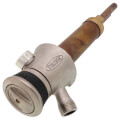
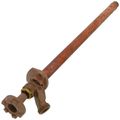
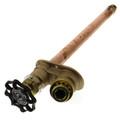
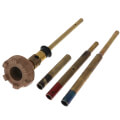
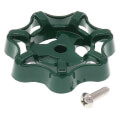
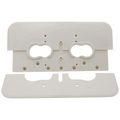
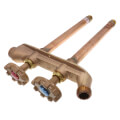
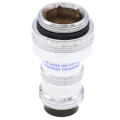
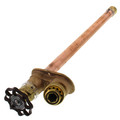
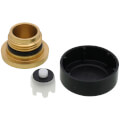
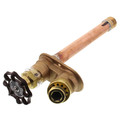
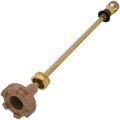
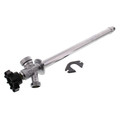
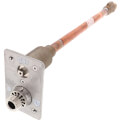
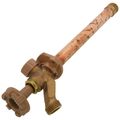
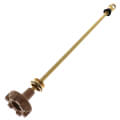
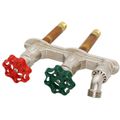
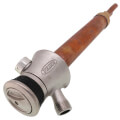
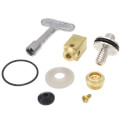
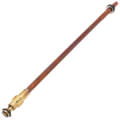
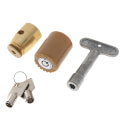
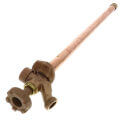
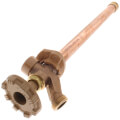
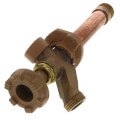
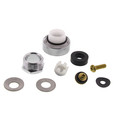
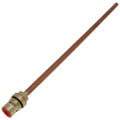
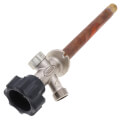
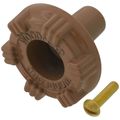
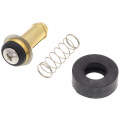
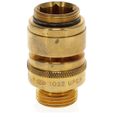
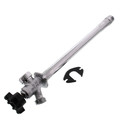
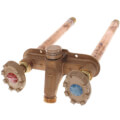
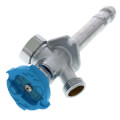
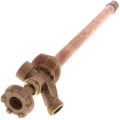

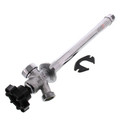

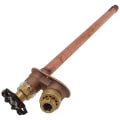

Frost free sillcocks are exterior wall faucets built to protect outdoor plumbing from freeze damage in cold-weather climates. The valve stem sits well back inside the heated wall cavity, so shutting off the water empties the exposed portion of the pipe automatically and leaves no standing water in the barrel to freeze and crack. Contractors install these sillcocks on new construction and as freeze-damage repairs on older homes that still use a standard hose bibb. Barrel lengths vary to match wall thickness, from thin stud walls to thick masonry construction, and picking the wrong length either leaves the shutoff valve exposed to cold air or wastes barrel length inside the wall cavity. Anti-siphon vacuum breaker models add backflow protection and are required by plumbing code in many jurisdictions. Getting sillcock selection right protects a home's plumbing system through the coldest months and cuts down on emergency freeze-repair calls.
Subcategories
- Standard Frost Free Sillcocks: Standard sillcocks give a plain outdoor spigot without built-in backflow protection. Contractors use them where local code does not require an integrated vacuum breaker and a separate hose-bibb vacuum breaker can be added later. The valve stem still sits inside the wall cavity for freeze protection even though the anti-siphon feature is absent.
- Anti-Siphon Frost Free Sillcocks: Anti-siphon sillcocks build a vacuum breaker into the spigot body so contaminated water from a hose cannot be drawn back into the potable supply. Many plumbing codes now mandate this feature on any exterior hose connection. Plumbers favor these models for both new installs and code-driven replacements.
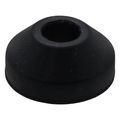
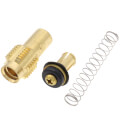
- Sillcock Repair Parts: Replacement stems, packing washers, and vacuum breaker caps let a sillcock keep working long after the original seal wears out. Rather than replacing an entire sillcock and cutting into a wall, a plumber can often swap just the worn internal parts. Stocking common repair parts on the truck cuts down on repeat visits for a persistent drip.
- Sillcock Installation Accessories: Wall plates, mounting flanges, and tailpiece extensions round out a sillcock installation. Sealing the penetration point keeps water from getting behind the exterior sheathing, and matching accessories let a contractor adapt a single sillcock length to a range of wall thicknesses.
Buying Guide
Choosing the right frost free sillcock starts with measuring the wall the fixture will pass through, since the barrel length has to reach from the exterior face all the way past the wall's insulated cavity into heated space. A sillcock that is too short leaves the shutoff valve in an unheated area, which defeats the entire purpose of a frost free design, while one that is too long can be trimmed only within limited tolerances depending on the model. After length, connection type matters: most residential jobs use a standard threaded or sweat inlet, so confirming the existing supply line size avoids a mismatched fitting. Local plumbing code often dictates whether an anti-siphon vacuum breaker is required, and many jurisdictions now mandate one on every exterior hose connection regardless of the sillcock's frost-free rating. Material selection also plays a role in service life: solid brass construction resists corrosion better than lower-grade alloys, which matters most in coastal areas or anywhere the fixture sees frequent hose attachment and removal. Frost free sillcocks installed on masonry walls sometimes need a longer barrel or a specific mounting flange to seat properly against the exterior surface, so measuring twice before ordering saves a return trip. Finally, checking whether the manufacturer backs the sillcock with a multi-year warranty gives some assurance against a hidden defect showing up only after the wall has been closed up.
Frequently Asked Questions
How long should a frost free sillcock be for a standard wood-frame wall?
Length depends on how far the shutoff valve needs to sit inside heated space, not just the visible wall thickness. A standard wood-frame wall with typical siding usually needs a shorter barrel than a wall with extra exterior insulation or thick masonry veneer. Measuring from the exterior siding to a point safely inside the insulated cavity gives the correct length to order.
What is the difference between a frost free sillcock and a regular hose bibb?
A regular hose bibb shuts off right at the exterior wall, so the section of pipe between the valve and the spigot opening stays full of water and can freeze in cold weather. A frost free sillcock moves that shutoff point back into the heated wall cavity, so closing it drains the exposed portion automatically. Freeze cracks and split pipes are far less common with a properly sized frost free model.
Do frost free sillcocks need a vacuum breaker?
Many current plumbing codes require backflow protection on any outdoor hose connection, and an anti-siphon frost free sillcock builds that vacuum breaker into the spigot body. Checking the local code before ordering avoids installing a sillcock that fails inspection. Where code does not mandate it, a separate add-on vacuum breaker can still be installed on a standard sillcock.
Can a frost free sillcock be installed at a downward angle?
Frost free sillcocks are designed to drain by gravity once the valve is closed, so pitching the barrel slightly downward toward the outside spigot helps the water clear out completely. Installing one level or angled upward can leave residual water trapped in the barrel, which defeats the freeze protection the fixture is built to provide. Following the manufacturer's installation instructions for pitch keeps the drain-back function working as intended.
How often do frost free sillcocks need to be replaced?
A quality sillcock with solid brass construction can last many years of normal seasonal use before any internal part wears out. Most failures show up as a slow drip from a worn stem washer or a stuck vacuum breaker, both of which can often be repaired with a parts kit rather than a full replacement. Full replacement usually becomes necessary only after the fixture is damaged, corroded through, or exposed to a hard freeze while a hose was still left attached.
