




Filters
SORT
Product Availability –
Brand –
Width (Inches) –
Length (Yards) –
Material –
Review Score –
 --%3E %3Csvg version='1.1' id='Fill' xmlns='http://www.w3.org/2000/svg' xmlns:xlink='http://www.w3.org/1999/xlink' x='0px' y='0px' viewBox='0 0 100 100' enable-background='new 0 0 100 100' xml:space='preserve'%3E %3Cpath fill='%23F15C02' d='M79.44,0.95H20.56C9.78,0.95,0.95,9.78,0.95,20.56v58.87c0,10.79,8.82,19.61,19.61,19.61h58.87 c10.79,0,19.61-8.83,19.61-19.61V20.56C99.05,9.78,90.22,0.95,79.44,0.95z M65.38,58.24l9.38,29.58L49.69,69.78L24.5,87.82 l9.34-29.6L8.8,39.6l30.73-0.17c0,0,6.98-19.61,10-28.93c0.54,1.36,9.88,29.1,9.88,29.1H91.2L65.38,58.24z'/%3E %3C/svg%3E)
 --%3E %3Csvg version='1.1' id='With-RB' xmlns='http://www.w3.org/2000/svg' xmlns:xlink='http://www.w3.org/1999/xlink' x='0px' y='0px' viewBox='0 0 100 100' enable-background='new 0 0 100 100' xml:space='preserve'%3E %3Cpath fill='%23FBC8B4' d='M79.44,0.95H20.56C9.78,0.95,0.95,9.78,0.95,20.56v58.87c0,10.79,8.82,19.61,19.61,19.61h58.87 c10.79,0,19.61-8.83,19.61-19.61V20.56C99.05,9.78,90.22,0.95,79.44,0.95z M65.38,58.24l9.38,29.58L49.69,69.78L24.5,87.82 l9.34-29.6L8.8,39.6l30.73-0.17c0,0,6.98-19.61,10-28.93c0.54,1.36,9.88,29.1,9.88,29.1H91.2L65.38,58.24z'/%3E %3C/svg%3E)
Price Range –
Grit Cloth

 --%3E %3Csvg version='1.1' id='Half' xmlns='http://www.w3.org/2000/svg' xmlns:xlink='http://www.w3.org/1999/xlink' x='0px' y='0px' viewBox='0 0 100 100' enable-background='new 0 0 100 100' xml:space='preserve'%3E %3Cg%3E %3Cpath fill='%23F15C02' d='M30.05,70.23l3.79-12.01L8.8,39.6l30.73-0.17c0,0,6.98-19.61,10-28.93c0.54,1.36,9.88,29.1,9.88,29.1h1.58 L93.71,7.18c-3.58-3.82-8.66-6.23-14.28-6.23H20.56C9.78,0.95,0.95,9.78,0.95,20.56v58.87c0,5.41,2.22,10.32,5.79,13.88 L30.05,70.23z'/%3E %3C/g%3E %3Cpath fill='%23FBC8B4' d='M93.71,7.18L60.98,39.6H91.2L65.38,58.24l9.38,29.58L49.69,69.78L24.5,87.82l5.55-17.59L6.75,93.32 c3.55,3.54,8.44,5.73,13.82,5.73h58.87c10.79,0,19.61-8.83,19.61-19.61V20.56C99.05,15.4,97.01,10.69,93.71,7.18z'/%3E %3C/svg%3E)


 --%3E %3Csvg version='1.1' id='No-RB' xmlns='http://www.w3.org/2000/svg' xmlns:xlink='http://www.w3.org/1999/xlink' x='0px' y='0px' viewBox='0 0 100 100' enable-background='new 0 0 100 100' xml:space='preserve'%3E %3Cpath fill='%23CECECE' d='M79.44,0.95H20.56C9.78,0.95,0.95,9.78,0.95,20.56v58.87c0,10.79,8.82,19.61,19.61,19.61h58.87 c10.79,0,19.61-8.83,19.61-19.61V20.56C99.05,9.78,90.22,0.95,79.44,0.95z M65.38,58.24l9.38,29.58L49.69,69.78L24.5,87.82 l9.34-29.6L8.8,39.6l30.73-0.17c0,0,6.98-19.61,10-28.93c0.54,1.36,9.88,29.1,9.88,29.1H91.2L65.38,58.24z'/%3E %3C/svg%3E)
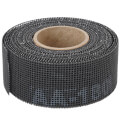


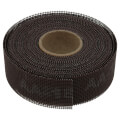
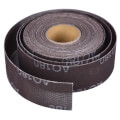


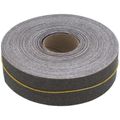

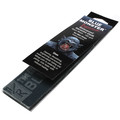
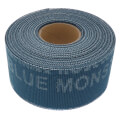
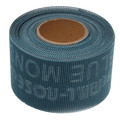
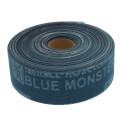
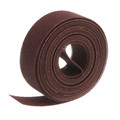
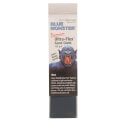
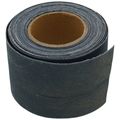
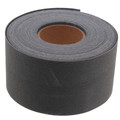
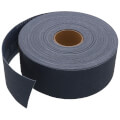
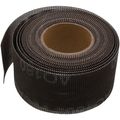
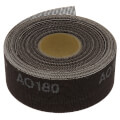
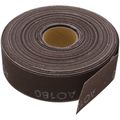
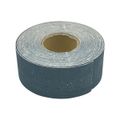
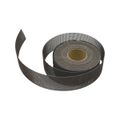
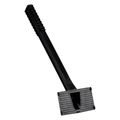
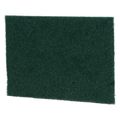
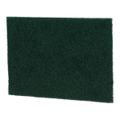
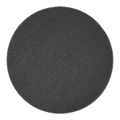
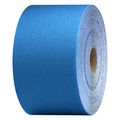
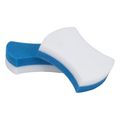
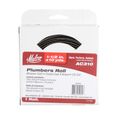
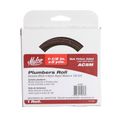
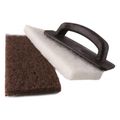

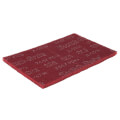
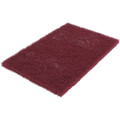
Grit cloth is an abrasive fabric used to clean the outside of copper pipe and the inside of fittings before a soldered joint is made. Plumbers and mechanical contractors rely on it to remove oxidation, oils, and surface residue that would otherwise keep solder from bonding evenly to the metal, which can lead to a joint that looks sealed but leaks under pressure once the system is filled. Unlike sandpaper, grit cloth is flexible enough to wrap fully around a pipe's circumference in one motion, making quick, even work of cleaning a fitting just before soldering. Grit ratings vary, with finer grits leaving a smoother surface for softer solders and coarser grits removing heavier oxidation or old flux buildup faster. Keeping a range of grit cloth on hand, along with wire fitting brushes for the inside of fittings, covers both halves of a proper joint preparation before flux and solder go on.
Subcategories
- Standard Grit Cloth Rolls: Sold in rolls, this cloth is torn or cut to length for each joint and gives a plumber enough material for dozens of pipe ends per roll. Rolls are the most economical format for daily use on service trucks and new construction jobs alike. Coarser roll grits handle heavier oxidation on pipe that has sat in a supply house or job trailer for a while.
- Fine Grit Cloth: Finer grits leave a smoother finish on the pipe surface, which suits joints made with softer, lower-temperature solders that need a cleaner surface to wet out evenly. Contractors reach for fine grit on finished plumbing work where a clean, consistent joint appearance matters. A smoother surface also reduces the chance of trapping flux residue in surface scratches.
- Heavy-Duty Grit Cloth: Coarser grit removes heavier oxidation, old flux, or corrosion buildup faster than fine grit cloth, which speeds up prep work on older pipe being reused or repaired. Service technicians working on existing systems rather than new installations often reach for the heavier grit first before finishing with a lighter pass. Coarser cloth wears down faster per joint than fine grit, so more material gets used per job.
Buying Guide
Grit cloth selection comes down to two things: the format that fits a contractor's workflow and the grit level that matches the condition of the pipe being cleaned. Rolls suit high-volume work where cutting a length to size for each joint keeps material cost per joint low, while pre-cut pieces or pads suit occasional use or tight storage space on a truck.
Grit level matters as much as format. New, clean copper pipe usually only needs a light pass with a mid-range grit to remove mill oxidation before soldering. Older pipe being repaired or reused, especially pipe that has sat exposed to air and moisture, often needs a coarser grit first to cut through heavier oxidation, followed by a finer grit pass to leave a smooth, solder-ready surface. Skipping straight to solder on a poorly cleaned joint is one of the more common causes of a joint that fails a pressure test.
Pairing grit cloth with a properly sized wire fitting brush completes the preparation, since grit cloth alone only cleans the outside of the pipe and cannot reach the inside of a fitting's socket. Stocking both in a range of pipe sizes, alongside a supply of grit cloth in more than one grit level, keeps a service vehicle ready for both new installation work and repair calls without a special trip for the right prep material.
Frequently Asked Questions
Why use grit cloth instead of sandpaper for copper pipe prep?
Grit cloth is flexible enough to wrap fully around a pipe's circumference in one motion, giving a faster, more even clean than sandpaper, which is stiffer and harder to work fully around a curved pipe surface.
What grit level works best for new copper pipe?
New pipe usually only needs a light pass with a mid-range grit to remove mill oxidation before soldering, since it has not built up the heavier corrosion that older pipe can develop.
Does grit cloth clean the inside of a fitting as well as the pipe?
No, grit cloth cleans the outside of the pipe. The inside of a fitting's socket needs a wire fitting brush sized to match the fitting, and both surfaces need to be clean before solder is applied.
When should a coarser grit be used instead of a fine grit?
Coarser grit works faster on older pipe with heavier oxidation, old flux residue, or surface corrosion, while fine grit suits new pipe or a finishing pass after coarse grit has already removed the bulk of the buildup.
Can grit cloth be reused on multiple joints?
A single piece can often be used on more than one joint until the abrasive surface wears smooth, though heavier grits wear down faster per joint than fine grits and need replacing sooner.
