




Filters
SORT
Product Availability –
Pressure Set Point –
Thermostat Length –
Review Score –
 --%3E %3Csvg version='1.1' id='Fill' xmlns='http://www.w3.org/2000/svg' xmlns:xlink='http://www.w3.org/1999/xlink' x='0px' y='0px' viewBox='0 0 100 100' enable-background='new 0 0 100 100' xml:space='preserve'%3E %3Cpath fill='%23F15C02' d='M79.44,0.95H20.56C9.78,0.95,0.95,9.78,0.95,20.56v58.87c0,10.79,8.82,19.61,19.61,19.61h58.87 c10.79,0,19.61-8.83,19.61-19.61V20.56C99.05,9.78,90.22,0.95,79.44,0.95z M65.38,58.24l9.38,29.58L49.69,69.78L24.5,87.82 l9.34-29.6L8.8,39.6l30.73-0.17c0,0,6.98-19.61,10-28.93c0.54,1.36,9.88,29.1,9.88,29.1H91.2L65.38,58.24z'/%3E %3C/svg%3E)
 --%3E %3Csvg version='1.1' id='With-RB' xmlns='http://www.w3.org/2000/svg' xmlns:xlink='http://www.w3.org/1999/xlink' x='0px' y='0px' viewBox='0 0 100 100' enable-background='new 0 0 100 100' xml:space='preserve'%3E %3Cpath fill='%23FBC8B4' d='M79.44,0.95H20.56C9.78,0.95,0.95,9.78,0.95,20.56v58.87c0,10.79,8.82,19.61,19.61,19.61h58.87 c10.79,0,19.61-8.83,19.61-19.61V20.56C99.05,9.78,90.22,0.95,79.44,0.95z M65.38,58.24l9.38,29.58L49.69,69.78L24.5,87.82 l9.34-29.6L8.8,39.6l30.73-0.17c0,0,6.98-19.61,10-28.93c0.54,1.36,9.88,29.1,9.88,29.1H91.2L65.38,58.24z'/%3E %3C/svg%3E)
Price Range –
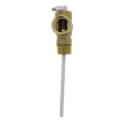
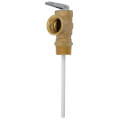
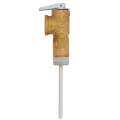
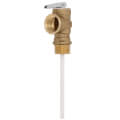
Watts 100XL & 10L T&P Relief Valves





 --%3E %3Csvg version='1.1' id='Half' xmlns='http://www.w3.org/2000/svg' xmlns:xlink='http://www.w3.org/1999/xlink' x='0px' y='0px' viewBox='0 0 100 100' enable-background='new 0 0 100 100' xml:space='preserve'%3E %3Cg%3E %3Cpath fill='%23F15C02' d='M30.05,70.23l3.79-12.01L8.8,39.6l30.73-0.17c0,0,6.98-19.61,10-28.93c0.54,1.36,9.88,29.1,9.88,29.1h1.58 L93.71,7.18c-3.58-3.82-8.66-6.23-14.28-6.23H20.56C9.78,0.95,0.95,9.78,0.95,20.56v58.87c0,5.41,2.22,10.32,5.79,13.88 L30.05,70.23z'/%3E %3C/g%3E %3Cpath fill='%23FBC8B4' d='M93.71,7.18L60.98,39.6H91.2L65.38,58.24l9.38,29.58L49.69,69.78L24.5,87.82l5.55-17.59L6.75,93.32 c3.55,3.54,8.44,5.73,13.82,5.73h58.87c10.79,0,19.61-8.83,19.61-19.61V20.56C99.05,15.4,97.01,10.69,93.71,7.18z'/%3E %3C/svg%3E)
 --%3E %3Csvg version='1.1' id='No-RB' xmlns='http://www.w3.org/2000/svg' xmlns:xlink='http://www.w3.org/1999/xlink' x='0px' y='0px' viewBox='0 0 100 100' enable-background='new 0 0 100 100' xml:space='preserve'%3E %3Cpath fill='%23CECECE' d='M79.44,0.95H20.56C9.78,0.95,0.95,9.78,0.95,20.56v58.87c0,10.79,8.82,19.61,19.61,19.61h58.87 c10.79,0,19.61-8.83,19.61-19.61V20.56C99.05,9.78,90.22,0.95,79.44,0.95z M65.38,58.24l9.38,29.58L49.69,69.78L24.5,87.82 l9.34-29.6L8.8,39.6l30.73-0.17c0,0,6.98-19.61,10-28.93c0.54,1.36,9.88,29.1,9.88,29.1H91.2L65.38,58.24z'/%3E %3C/svg%3E)
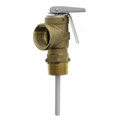
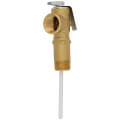
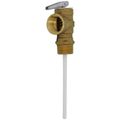
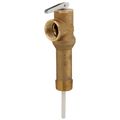
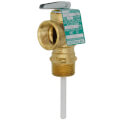
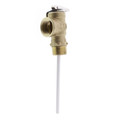
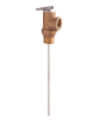
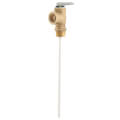
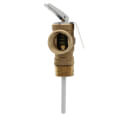


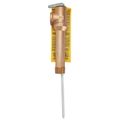
Watts 100XL and 10L T&P relief valves protect water heaters by releasing water once internal pressure or temperature exceeds a safe operating limit. Plumbers select between the two series based on the water heater's tank size, connection requirements, and the specific installation the valve needs to fit. Both series function as self-closing safety devices, opening automatically during an overpressure or overtemperature event and reseating once conditions return to normal. Matching the valve's rated pressure and temperature threshold to the water heater's data plate keeps the valve responsive without causing nuisance discharge during regular operation. Technicians typically replace one of these valves when it weeps continuously, fails a manual test, or has been in service long enough to warrant routine replacement. Because a T&P relief valve is a required safety component on most water heater installations, keeping common Watts 100XL and 10L sizes on hand helps a service call finish in a single visit.
Subcategories
- Watts 100XL Relief Valves: The 100XL series is built for standard residential water heater installations where a self-closing pressure and temperature valve is required. Plumbers choose this series based on the tank's rated working pressure and the connection size already present on the water heater. Replacement is typically driven by continuous weeping or a failed manual test rather than a scheduled interval. Matching thread size to the existing tapping keeps installation straightforward.
- Watts 10L Relief Valves: The 10L series covers a different range of connection sizes and pressure ratings than the 100XL line, making model confirmation important before ordering a replacement. Technicians match this series to the specific water heater application it was originally installed on. Discharge capacity and thread size both need to align with the original valve to maintain proper function. Confirming the exact series printed on the failing valve avoids ordering an incompatible replacement.
- T&P Valve Discharge Extensions: Discharge extensions direct water released by a Watts 100XL or 10L valve toward an approved termination point when the valve itself sits in a tight installation space. Matching extension diameter to the valve's outlet keeps water flow unrestricted during an actual discharge event. Local plumbing code typically specifies acceptable termination points and pipe material for these extensions. Using an undersized extension can restrict flow enough to affect the valve's ability to relieve pressure quickly.
Buying Guide
Selecting between a Watts 100XL and a 10L relief valve starts with identifying which series the water heater was originally built around, since the two lines are not always interchangeable on the same tank. The manufacturer's data plate on the water heater lists the exact pressure and temperature rating the replacement valve needs to match.
Connection size is the next consideration. Both series use standard NPT connections, but available sizes differ between the two lines, so confirming the existing tapping size before ordering avoids a mismatched fit at installation.
Watts 100XL & 10L T&P Relief Valves are self-closing by design, meaning they reseat automatically once pressure or temperature drops back into a safe range, which is different from some older relief valve designs that required manual resetting. Confirming that a replacement is genuinely self-closing matters when servicing an older installation that may have used a different valve type originally.
Discharge piping requirements round out most installations. Local plumbing code typically dictates the pipe material, minimum diameter, and an approved termination point for water released during a relief event, and these requirements should be confirmed before finishing the job.
Replacement is generally driven by a valve that weeps continuously, fails to reseat after a manual test, or has reached the point where a technician recommends proactive replacement during other water heater service.
Frequently Asked Questions
What's the difference between the Watts 100XL and 10L series?
The two series cover different connection sizes and pressure ratings, so they are not always direct substitutes for each other on the same water heater. Checking which series is printed on the existing valve is the most reliable way to confirm which replacement to order. Installing the wrong series can result in a connection that does not fit or a pressure rating that does not match the tank.
Are Watts 100XL and 10L valves self-closing?
Yes, both series are designed to close automatically once pressure or temperature returns to a safe range after a discharge event. Older relief valve designs sometimes required a manual reset instead of closing on their own, so confirming self-closing operation during a test is a normal part of routine water heater maintenance.
Why does a Watts T&P relief valve keep dripping?
Constant dripping usually points to system pressure that has risen above the valve's rated threshold, often due to a waterlogged or missing expansion tank. Debris caught at the valve seat during installation can also cause a temporary leak that clears after a few test cycles. If dripping continues after checking expansion tank pressure, the valve itself most likely needs replacement.
Can I use a Watts 10L valve to replace a 100XL valve?
Substituting one series for the other depends on whether the connection size and pressure rating actually match between the two specific valves being compared. Checking the markings on the water heater's data plate against the replacement valve's rated specifications is the safest way to confirm compatibility. When in doubt, matching the exact series already installed avoids a connection or rating mismatch.
How often should a T&P relief valve be tested?
Most manufacturers recommend testing a relief valve at least once a year by lifting the manual test lever and confirming it reseats cleanly afterward. A valve that fails to reseat, or one that continues dripping after testing, needs replacement rather than continued service. Annual testing also gives an early indication of mineral buildup affecting the valve seat.
