




Filters
SORT
Product Availability –
Size –
Material –
Inlet Type –
Outlet Type –
Review Score –
 --%3E %3Csvg version='1.1' id='Fill' xmlns='http://www.w3.org/2000/svg' xmlns:xlink='http://www.w3.org/1999/xlink' x='0px' y='0px' viewBox='0 0 100 100' enable-background='new 0 0 100 100' xml:space='preserve'%3E %3Cpath fill='%23F15C02' d='M79.44,0.95H20.56C9.78,0.95,0.95,9.78,0.95,20.56v58.87c0,10.79,8.82,19.61,19.61,19.61h58.87 c10.79,0,19.61-8.83,19.61-19.61V20.56C99.05,9.78,90.22,0.95,79.44,0.95z M65.38,58.24l9.38,29.58L49.69,69.78L24.5,87.82 l9.34-29.6L8.8,39.6l30.73-0.17c0,0,6.98-19.61,10-28.93c0.54,1.36,9.88,29.1,9.88,29.1H91.2L65.38,58.24z'/%3E %3C/svg%3E)
Price Range –
Watts LFN45B Pressure Reducing Valves

 --%3E %3Csvg version='1.1' id='No-RB' xmlns='http://www.w3.org/2000/svg' xmlns:xlink='http://www.w3.org/1999/xlink' x='0px' y='0px' viewBox='0 0 100 100' enable-background='new 0 0 100 100' xml:space='preserve'%3E %3Cpath fill='%23CECECE' d='M79.44,0.95H20.56C9.78,0.95,0.95,9.78,0.95,20.56v58.87c0,10.79,8.82,19.61,19.61,19.61h58.87 c10.79,0,19.61-8.83,19.61-19.61V20.56C99.05,9.78,90.22,0.95,79.44,0.95z M65.38,58.24l9.38,29.58L49.69,69.78L24.5,87.82 l9.34-29.6L8.8,39.6l30.73-0.17c0,0,6.98-19.61,10-28.93c0.54,1.36,9.88,29.1,9.88,29.1H91.2L65.38,58.24z'/%3E %3C/svg%3E)

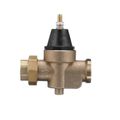
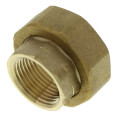
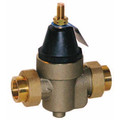
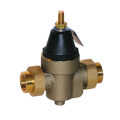
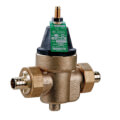
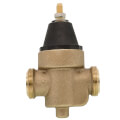
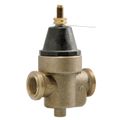
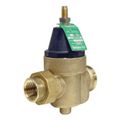
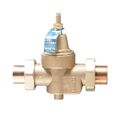
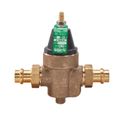
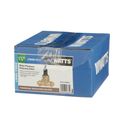
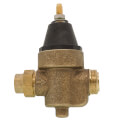
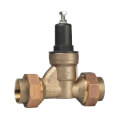
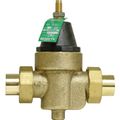
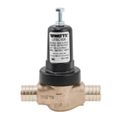
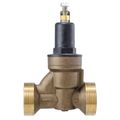
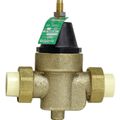
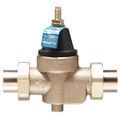
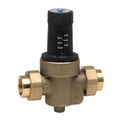
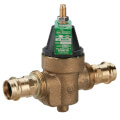
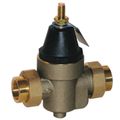
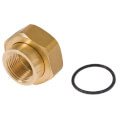
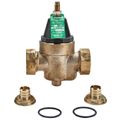
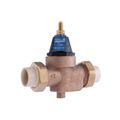
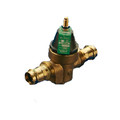
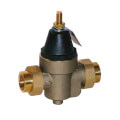
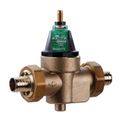
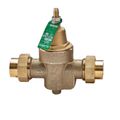
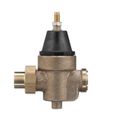
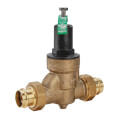
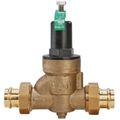
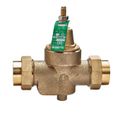
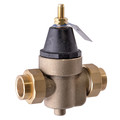
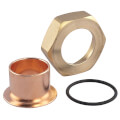
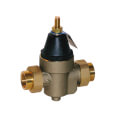
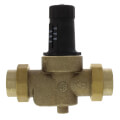
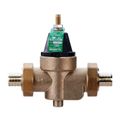
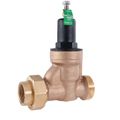

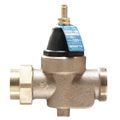
Watts LFN45B pressure reducing valves are lead-free water pressure regulators installed on the main supply line to bring incoming municipal or well water pressure down to a safer, more consistent level before it reaches a building's fixtures and appliances. High incoming pressure accelerates wear on faucets, valves, water heaters, and supply lines, so plumbers install a pressure reducing valve near the point where the main service line enters a building. The LFN45B design uses an internal spring and diaphragm assembly that automatically adjusts to hold outlet pressure steady even as incoming pressure fluctuates throughout the day. A built-in strainer ahead of the regulating mechanism catches sediment and debris before it can interfere with the internal seat. Plumbers spec this valve on both residential and light commercial jobs where the water utility or well system delivers pressure above what plumbing fixtures and appliances are built to handle.
Subcategories
- Threaded LFN45B Valves: Threaded LFN45B valves connect into copper, CPVC, or PEX supply lines using standard NPT threaded ends, making them a common choice for straightforward main-line installations. Plumbers favor threaded connections when working with standard pipe and fittings already on hand, since no specialized press or solder tooling is needed. The threaded design also simplifies future service, since the valve can be unscrewed from the line without cutting pipe. This style covers the majority of residential installations.
- Union-End LFN45B Valves: Union-end LFN45B valves include a union fitting on one or both connections, letting a plumber remove the valve for cleaning or replacement without disturbing the surrounding pipe. This is especially useful on a main line where cutting into hard piped copper or CPVC to service a valve would be disruptive. The union nut breaks the connection cleanly, and reassembly does not require re-soldering or re-threading the adjacent pipe. Contractors often prefer this style specifically for ease of future maintenance.
- Valves with Integral Bypass: Some LFN45B configurations include a built-in bypass feature that allows full-pressure water to pass through under certain flow conditions, which some codes require for fire sprinkler or specific commercial applications. Plumbers should confirm local code requirements before selecting a bypass-equipped valve versus a standard model. The bypass function does not replace a separate backflow preventer where one is required. Checking the specific application against local plumbing code helps determine whether this configuration is necessary.
Buying Guide
Selecting the correct Watts LFN45B pressure reducing valve starts with confirming pipe size and connection type against the existing main supply line. Threaded and union-end versions are not interchangeable without adapting fittings, so matching connection style to what is already installed, or planned for new construction, avoids extra fittings and potential leak points. Measuring the existing pipe diameter accurately before ordering prevents a mismatched valve from holding up a rough-in inspection.
Incoming water pressure should be measured with a pressure gauge at an outdoor spigot or main shutoff before selecting and setting a reducing valve, since the goal is to bring high incoming pressure down to a safer operating range for the building's fixtures and appliances. Skipping this step and installing a valve without knowing the starting pressure makes it difficult to verify the valve is functioning correctly after installation.
Where the valve will be installed also matters. A valve installed in a location without adequate clearance for future strainer cleaning or valve service creates ongoing maintenance headaches, so leaving accessible space around the unit during rough-in pays off later. Local plumbing code should also be checked for any requirements around bypass valves or backflow prevention devices that need to be installed alongside the pressure reducing valve, since these requirements vary by jurisdiction and are not automatically satisfied by the pressure reducing valve alone.
Frequently Asked Questions
Why does a home need a pressure reducing valve?
High incoming water pressure from a municipal system or well can wear out faucets, fill valves, water heaters, and supply lines faster than normal. A pressure reducing valve brings that incoming pressure down to a safer, steadier level before it reaches the building's fixtures. Plumbers typically recommend one whenever measured incoming pressure exceeds what local code or manufacturer guidance considers safe for standard fixtures.
What is the difference between threaded and union-end LFN45B valves?
Threaded valves connect directly into pipe threads and are common for standard installations, while union-end valves include a union fitting that allows the valve to be removed for service without cutting the surrounding pipe. Union-end versions are often chosen specifically for easier future maintenance. Both styles regulate pressure the same way internally.
How often should the strainer inside a pressure reducing valve be cleaned?
Cleaning frequency depends on local water quality and sediment levels, but checking the strainer at least once a year is a reasonable starting point for most residential systems. Wells and older municipal systems with more sediment may need more frequent checks. A drop in downstream pressure or flow can also signal that the strainer needs cleaning.
Can a pressure reducing valve be installed in any orientation?
Most pressure reducing valves are designed to be installed with the flow direction indicated on the valve body, and many require horizontal installation for the internal diaphragm to function correctly. Installers should follow the manufacturer's installation instructions for the specific orientation and clearance requirements. Installing a valve against the indicated flow direction prevents it from regulating pressure correctly.
Does a pressure reducing valve replace the need for a backflow preventer?
No, a pressure reducing valve and a backflow preventer serve different functions and are not interchangeable. Local plumbing code determines whether a separate backflow prevention device is required in addition to a pressure reducing valve. Reviewing the specific application against local code requirements before installation clarifies what additional devices, if any, are needed.
