



Filters
SORT
Product Availability –
Length (Inches) –
Connection Size –
Material –
End Type –
Review Score –
 --%3E %3Csvg version='1.1' id='Fill' xmlns='http://www.w3.org/2000/svg' xmlns:xlink='http://www.w3.org/1999/xlink' x='0px' y='0px' viewBox='0 0 100 100' enable-background='new 0 0 100 100' xml:space='preserve'%3E %3Cpath fill='%23F15C02' d='M79.44,0.95H20.56C9.78,0.95,0.95,9.78,0.95,20.56v58.87c0,10.79,8.82,19.61,19.61,19.61h58.87 c10.79,0,19.61-8.83,19.61-19.61V20.56C99.05,9.78,90.22,0.95,79.44,0.95z M65.38,58.24l9.38,29.58L49.69,69.78L24.5,87.82 l9.34-29.6L8.8,39.6l30.73-0.17c0,0,6.98-19.61,10-28.93c0.54,1.36,9.88,29.1,9.88,29.1H91.2L65.38,58.24z'/%3E %3C/svg%3E)
 --%3E %3Csvg version='1.1' id='With-RB' xmlns='http://www.w3.org/2000/svg' xmlns:xlink='http://www.w3.org/1999/xlink' x='0px' y='0px' viewBox='0 0 100 100' enable-background='new 0 0 100 100' xml:space='preserve'%3E %3Cpath fill='%23FBC8B4' d='M79.44,0.95H20.56C9.78,0.95,0.95,9.78,0.95,20.56v58.87c0,10.79,8.82,19.61,19.61,19.61h58.87 c10.79,0,19.61-8.83,19.61-19.61V20.56C99.05,9.78,90.22,0.95,79.44,0.95z M65.38,58.24l9.38,29.58L49.69,69.78L24.5,87.82 l9.34-29.6L8.8,39.6l30.73-0.17c0,0,6.98-19.61,10-28.93c0.54,1.36,9.88,29.1,9.88,29.1H91.2L65.38,58.24z'/%3E %3C/svg%3E)
Price Range –
AO Smith Anode Rods


 --%3E %3Csvg version='1.1' id='Half' xmlns='http://www.w3.org/2000/svg' xmlns:xlink='http://www.w3.org/1999/xlink' x='0px' y='0px' viewBox='0 0 100 100' enable-background='new 0 0 100 100' xml:space='preserve'%3E %3Cg%3E %3Cpath fill='%23F15C02' d='M30.05,70.23l3.79-12.01L8.8,39.6l30.73-0.17c0,0,6.98-19.61,10-28.93c0.54,1.36,9.88,29.1,9.88,29.1h1.58 L93.71,7.18c-3.58-3.82-8.66-6.23-14.28-6.23H20.56C9.78,0.95,0.95,9.78,0.95,20.56v58.87c0,5.41,2.22,10.32,5.79,13.88 L30.05,70.23z'/%3E %3C/g%3E %3Cpath fill='%23FBC8B4' d='M93.71,7.18L60.98,39.6H91.2L65.38,58.24l9.38,29.58L49.69,69.78L24.5,87.82l5.55-17.59L6.75,93.32 c3.55,3.54,8.44,5.73,13.82,5.73h58.87c10.79,0,19.61-8.83,19.61-19.61V20.56C99.05,15.4,97.01,10.69,93.71,7.18z'/%3E %3C/svg%3E)

 --%3E %3Csvg version='1.1' id='No-RB' xmlns='http://www.w3.org/2000/svg' xmlns:xlink='http://www.w3.org/1999/xlink' x='0px' y='0px' viewBox='0 0 100 100' enable-background='new 0 0 100 100' xml:space='preserve'%3E %3Cpath fill='%23CECECE' d='M79.44,0.95H20.56C9.78,0.95,0.95,9.78,0.95,20.56v58.87c0,10.79,8.82,19.61,19.61,19.61h58.87 c10.79,0,19.61-8.83,19.61-19.61V20.56C99.05,9.78,90.22,0.95,79.44,0.95z M65.38,58.24l9.38,29.58L49.69,69.78L24.5,87.82 l9.34-29.6L8.8,39.6l30.73-0.17c0,0,6.98-19.61,10-28.93c0.54,1.36,9.88,29.1,9.88,29.1H91.2L65.38,58.24z'/%3E %3C/svg%3E)
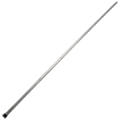
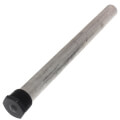
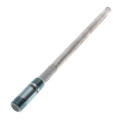
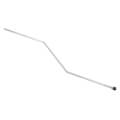
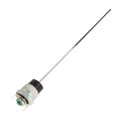
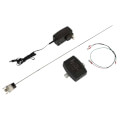

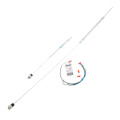
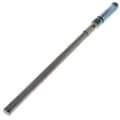

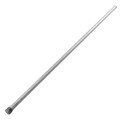
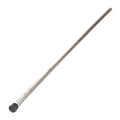
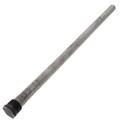
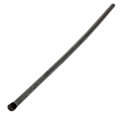
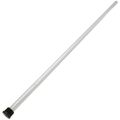
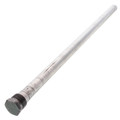
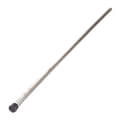
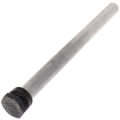
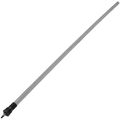
AO Smith anode rods are the sacrificial metal rods installed inside AO Smith water heater tanks to protect the steel lining from corrosion. Made from magnesium, aluminum, or a zinc-aluminum alloy, the rod attracts the corrosive reaction that would otherwise eat through the tank wall, extending the service life of the unit by years. AO Smith tanks use different anode configurations, including standard hex-head rods, combination anode and hot water outlet fittings, and powered anode rods for tanks installed where clearance above the unit is limited. Replacing a spent anode rod before it wears down to the core wire is one of the least expensive ways to prevent a costly tank failure. Contractors performing routine water heater maintenance typically inspect the anode rod every year, since local water chemistry has a major effect on how quickly it degrades.
Subcategories
- Magnesium Anode Rods: Magnesium anode rods are the standard factory-installed anode on most AO Smith residential water heaters and provide strong corrosion protection in most water conditions. They tend to wear down faster in areas with soft or treated water, so contractors in those regions often schedule more frequent inspections. A magnesium rod is usually the correct replacement choice when the original equipment used one, since swapping metal types can change the water's taste or odor.
- Aluminum & Zinc-Aluminum Anode Rods: Aluminum and zinc-aluminum anode rods are common alternatives for households where magnesium rods produce a sulfur-like odor caused by naturally occurring bacteria in the water supply. The zinc content helps suppress that reaction while still protecting the tank from corrosion. These rods are a frequent recommendation for well-water systems with known odor complaints.
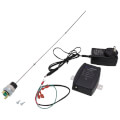
- Powered Anode Rods: Powered anode rods use a small electrical current instead of a sacrificial metal to protect the tank, so they never wear down or need periodic replacement the way a standard rod does. They work well on tanks with very hard water, where a standard rod can be consumed quickly, and on installations with low overhead clearance that rule out a full-length rod. Because they run on household power, a technician confirms wiring access before recommending one.
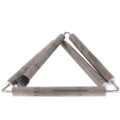
- Combination & Flexible Anode Rods: Combination anode rods double as the hot water outlet fitting, which is useful in tight utility closets or attic installations where a straight rod cannot be removed for service. Flexible anode rods use segmented sections for the same reason, allowing removal in spaces with limited overhead clearance. Both styles trade a small amount of anode mass for easier future access.
Buying Guide
Start by identifying which anode configuration the existing AO Smith water heater uses. A standard hex-head rod, a combination rod built into the hot water outlet, and a powered anode rod are not interchangeable without confirming the tank has the clearance and fitting to accept the replacement style.
Water chemistry drives most anode rod decisions. Households that notice a rotten-egg smell from hot water taps often benefit from switching to an aluminum or zinc-aluminum anode rod, since magnesium rods are more prone to reacting with sulfate-reducing bacteria in the water supply. Homes with very hard water tend to consume a standard rod faster and may be better served by a powered anode instead.
When selecting AO Smith anode rods, measure the overhead clearance above the water heater before ordering a full-length rod. A flexible or segmented anode is the practical choice in a closet or low-ceiling installation where a rigid rod cannot be pulled straight up for removal.
Finally, check the rod during any other water heater service call rather than waiting for a failure. A rod worn down to bare core wire offers little remaining protection, and replacing it on a routine visit is far less disruptive than an emergency tank replacement later.
Frequently Asked Questions
How can someone tell if an anode rod needs replacement?
A rod that has worn down to the core wire, is coated in heavy calcium buildup, or has lost most of its original mass no longer offers meaningful corrosion protection and should be replaced.
Why do some AO Smith water heaters produce a sulfur smell?
A sulfur smell usually comes from a reaction between a magnesium anode rod and naturally occurring bacteria in the water supply, and switching to an aluminum or zinc-aluminum rod often resolves the odor.
What is a powered anode rod, and when is it used?
A powered anode rod uses electrical current instead of a sacrificial metal to protect the tank, making it a good fit for hard-water areas or installations with limited overhead clearance for a standard rod.
How often should an anode rod be checked?
Most contractors check the anode rod annually as part of routine water heater maintenance, though tanks in areas with aggressive water chemistry may need more frequent inspection.
Can a flexible anode rod be used in place of a standard rod?
In most cases a flexible or segmented anode rod is a suitable substitute, and it is often the only option in installations where a rigid rod cannot be removed for service.
