




Anode Rods
Anode rods protect a water heater tank from corrosion by sacrificing themselves to the tank's internal chemistry before the steel lining wears through. This category organizes replacement rods by tank manufacturer, covering AO Smith, Bradford White, Lochinvar, and Rheem, Ruud, and Richmond tanks.
Matching the anode rod to the tank brand and thread pattern is critical since a mismatched rod will not seal properly or protect the tank as intended. Replacing a spent anode rod on a routine schedule is one of the most common ways to extend a tank water heater's service life.


Subcategories
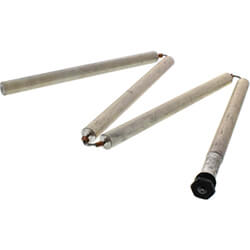
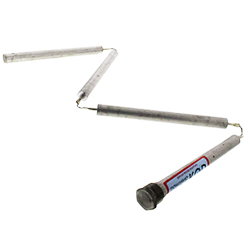
- AO Smith Anode Rods: Technicians servicing AO Smith tanks use this category to match the anode to the model, choosing between standard magnesium rods like the 3/4 inch flexible plug rod for tight-clearance closets or the CoreGard and Signature aluminum options built for longer service life in hard water.
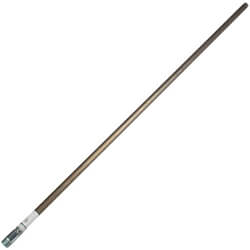
- Bradford White Anode Rods: Plumbers working on Bradford White tanks look here because the anode on most Bradford White models sits inside the hot water outlet nipple rather than under a top cap, and the fitting needs to match that configuration, such as the 3/4 NPT magnesium rod sized 2.50 by 35.63 by 0.840 inch. Zinc-aluminum alloy versions are also stocked for households dealing with sulfur odor in the hot water.
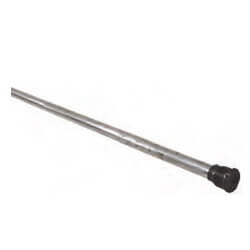
- Lochinvar Anode Rods: Service techs maintaining Lochinvar residential and commercial water heaters use this category to find direct-fit replacements, including a 1 inch by 36 inch magnesium rod sized for larger Lochinvar tanks.
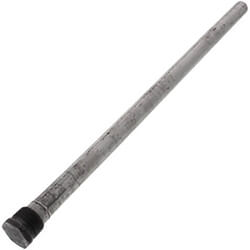
- Rheem Anode Rods: Contractors replacing worn anodes in Rheem, Ruud, and Richmond tanks find rods such as a 0.75 inch diameter by 44-3/8 inch magnesium R-Tech Resistored rod, sized to match the tank's anode port and thread.
Buying Guide
Magnesium is the material most water heater manufacturers install from the factory, since it gives up electrons more freely than aluminum and offers the strongest baseline corrosion protection. Aluminum and zinc-aluminum alloy rods trade a bit of that protection for longer service life in hard water and less contribution to the sulfur smell that bacteria can produce around a magnesium rod, which makes them a common swap for households fighting persistent odor.
Fit depends on matching diameter, length, and thread size to the tank, not just the brand name on the water heater. A rod that's too long can bottom out against the tank floor and bend during installation, while one that's too short leaves too little surface area exposed to do its job, so checking the tank's rated gallon capacity and existing rod dimensions before ordering avoids both problems.
Mounting style splits mainly between a top-mounted rod under a cap and a rod routed through the hot water outlet nipple, which is common on Bradford White tanks. Flexible or segmented rods solve installations where a rigid rod can't clear the ceiling or joists near the tank, bending around the obstruction instead of requiring the tank to be tilted or pulled out.
Checking the rod every couple of years and replacing it once it's worn down to bare wire or has lost most of its material keeps the tank protected, since a fully sacrificed rod stops absorbing corrosion and leaves the steel tank exposed. Homes on well water or with softened water tend to consume rods faster and may need more frequent checks than homes on treated municipal supply.
A rotten egg smell in hot water traces to bacteria reacting with a magnesium rod, and swapping to an aluminum or zinc-aluminum alloy rod is the standard fix when flushing and disinfecting the tank doesn't resolve it on its own. Matching that replacement rod's thread and mounting style to the original, whether it's a top cap or an outlet nipple rod, keeps the swap straightforward.
Frequently Asked Questions
How often should a water heater anode rod be replaced?
Checking the rod every two to three years and replacing it once it's worn down to bare wire protects the tank, since a fully consumed anode stops absorbing corrosion and leaves the steel tank exposed. Homes on well water or softened water often need more frequent checks.
Why does hot water smell like sulfur?
A sulfur or rotten egg smell usually comes from bacteria reacting with a magnesium anode rod. Swapping to an aluminum or zinc-aluminum alloy rod is the standard fix when the smell persists after flushing and disinfecting the tank.
What's the difference between a magnesium and an aluminum anode rod?
Magnesium gives up electrons more freely, which makes it the stronger corrosion protector and the material most tanks ship with from the factory. Aluminum and zinc-aluminum alloy rods last longer in hard water and reduce the odor issue that magnesium rods can cause, at a slight tradeoff in raw protection.
Will any anode rod fit any water heater?
Fit depends on matching diameter, length, and thread size to the specific tank, not just the brand. Mounting location also varies: some tanks expose the rod under a top cap while others, including most Bradford White models, route it through the hot water outlet nipple, so the replacement needs to match that configuration.
What is a flexible anode rod used for?
A flexible or segmented anode rod bends around ceiling joists or low overhead clearance where a rigid rod can't be inserted straight into the tank. It protects the tank the same way a rigid rod does, just in a shape that fits tight installation spaces.
Resources
Subcategories
- AO Smith Anode Rods: Technicians servicing AO Smith tanks use this category to match the anode to the model, choosing between standard magnesium rods like the 3/4 inch flexible plug rod for tight-clearance closets or the CoreGard and Signature aluminum options built for longer service life in hard water.
- Bradford White Anode Rods: Plumbers working on Bradford White tanks look here because the anode on most Bradford White models sits inside the hot water outlet nipple rather than under a top cap, and the fitting needs to match that configuration, such as the 3/4 NPT magnesium rod sized 2.50 by 35.63 by 0.840 inch. Zinc-aluminum alloy versions are also stocked for households dealing with sulfur odor in the hot water.
- Lochinvar Anode Rods: Service techs maintaining Lochinvar residential and commercial water heaters use this category to find direct-fit replacements, including a 1 inch by 36 inch magnesium rod sized for larger Lochinvar tanks.
- Rheem Anode Rods: Contractors replacing worn anodes in Rheem, Ruud, and Richmond tanks find rods such as a 0.75 inch diameter by 44-3/8 inch magnesium R-Tech Resistored rod, sized to match the tank's anode port and thread.
Buying Guide
Magnesium is the material most water heater manufacturers install from the factory, since it gives up electrons more freely than aluminum and offers the strongest baseline corrosion protection. Aluminum and zinc-aluminum alloy rods trade a bit of that protection for longer service life in hard water and less contribution to the sulfur smell that bacteria can produce around a magnesium rod, which makes them a common swap for households fighting persistent odor.
Fit depends on matching diameter, length, and thread size to the tank, not just the brand name on the water heater. A rod that's too long can bottom out against the tank floor and bend during installation, while one that's too short leaves too little surface area exposed to do its job, so checking the tank's rated gallon capacity and existing rod dimensions before ordering avoids both problems.
Mounting style splits mainly between a top-mounted rod under a cap and a rod routed through the hot water outlet nipple, which is common on Bradford White tanks. Flexible or segmented rods solve installations where a rigid rod can't clear the ceiling or joists near the tank, bending around the obstruction instead of requiring the tank to be tilted or pulled out.
Checking the rod every couple of years and replacing it once it's worn down to bare wire or has lost most of its material keeps the tank protected, since a fully sacrificed rod stops absorbing corrosion and leaves the steel tank exposed. Homes on well water or with softened water tend to consume rods faster and may need more frequent checks than homes on treated municipal supply.
A rotten egg smell in hot water traces to bacteria reacting with a magnesium rod, and swapping to an aluminum or zinc-aluminum alloy rod is the standard fix when flushing and disinfecting the tank doesn't resolve it on its own. Matching that replacement rod's thread and mounting style to the original, whether it's a top cap or an outlet nipple rod, keeps the swap straightforward.
Frequently Asked Questions
How often should a water heater anode rod be replaced?
Checking the rod every two to three years and replacing it once it's worn down to bare wire protects the tank, since a fully consumed anode stops absorbing corrosion and leaves the steel tank exposed. Homes on well water or softened water often need more frequent checks.
Why does hot water smell like sulfur?
A sulfur or rotten egg smell usually comes from bacteria reacting with a magnesium anode rod. Swapping to an aluminum or zinc-aluminum alloy rod is the standard fix when the smell persists after flushing and disinfecting the tank.
What's the difference between a magnesium and an aluminum anode rod?
Magnesium gives up electrons more freely, which makes it the stronger corrosion protector and the material most tanks ship with from the factory. Aluminum and zinc-aluminum alloy rods last longer in hard water and reduce the odor issue that magnesium rods can cause, at a slight tradeoff in raw protection.
Will any anode rod fit any water heater?
Fit depends on matching diameter, length, and thread size to the specific tank, not just the brand. Mounting location also varies: some tanks expose the rod under a top cap while others, including most Bradford White models, route it through the hot water outlet nipple, so the replacement needs to match that configuration.
What is a flexible anode rod used for?
A flexible or segmented anode rod bends around ceiling joists or low overhead clearance where a rigid rod can't be inserted straight into the tank. It protects the tank the same way a rigid rod does, just in a shape that fits tight installation spaces.