




Filters
SORT
Product Availability –
Length (Inches) –
Connection Size –
End Type –
Material –
Review Score –
 --%3E %3Csvg version='1.1' id='Fill' xmlns='http://www.w3.org/2000/svg' xmlns:xlink='http://www.w3.org/1999/xlink' x='0px' y='0px' viewBox='0 0 100 100' enable-background='new 0 0 100 100' xml:space='preserve'%3E %3Cpath fill='%23F15C02' d='M79.44,0.95H20.56C9.78,0.95,0.95,9.78,0.95,20.56v58.87c0,10.79,8.82,19.61,19.61,19.61h58.87 c10.79,0,19.61-8.83,19.61-19.61V20.56C99.05,9.78,90.22,0.95,79.44,0.95z M65.38,58.24l9.38,29.58L49.69,69.78L24.5,87.82 l9.34-29.6L8.8,39.6l30.73-0.17c0,0,6.98-19.61,10-28.93c0.54,1.36,9.88,29.1,9.88,29.1H91.2L65.38,58.24z'/%3E %3C/svg%3E)
 --%3E %3Csvg version='1.1' id='With-RB' xmlns='http://www.w3.org/2000/svg' xmlns:xlink='http://www.w3.org/1999/xlink' x='0px' y='0px' viewBox='0 0 100 100' enable-background='new 0 0 100 100' xml:space='preserve'%3E %3Cpath fill='%23FBC8B4' d='M79.44,0.95H20.56C9.78,0.95,0.95,9.78,0.95,20.56v58.87c0,10.79,8.82,19.61,19.61,19.61h58.87 c10.79,0,19.61-8.83,19.61-19.61V20.56C99.05,9.78,90.22,0.95,79.44,0.95z M65.38,58.24l9.38,29.58L49.69,69.78L24.5,87.82 l9.34-29.6L8.8,39.6l30.73-0.17c0,0,6.98-19.61,10-28.93c0.54,1.36,9.88,29.1,9.88,29.1H91.2L65.38,58.24z'/%3E %3C/svg%3E)
Price Range –
Bradford White Anode Rods


 --%3E %3Csvg version='1.1' id='Half' xmlns='http://www.w3.org/2000/svg' xmlns:xlink='http://www.w3.org/1999/xlink' x='0px' y='0px' viewBox='0 0 100 100' enable-background='new 0 0 100 100' xml:space='preserve'%3E %3Cg%3E %3Cpath fill='%23F15C02' d='M30.05,70.23l3.79-12.01L8.8,39.6l30.73-0.17c0,0,6.98-19.61,10-28.93c0.54,1.36,9.88,29.1,9.88,29.1h1.58 L93.71,7.18c-3.58-3.82-8.66-6.23-14.28-6.23H20.56C9.78,0.95,0.95,9.78,0.95,20.56v58.87c0,5.41,2.22,10.32,5.79,13.88 L30.05,70.23z'/%3E %3C/g%3E %3Cpath fill='%23FBC8B4' d='M93.71,7.18L60.98,39.6H91.2L65.38,58.24l9.38,29.58L49.69,69.78L24.5,87.82l5.55-17.59L6.75,93.32 c3.55,3.54,8.44,5.73,13.82,5.73h58.87c10.79,0,19.61-8.83,19.61-19.61V20.56C99.05,15.4,97.01,10.69,93.71,7.18z'/%3E %3C/svg%3E)



 --%3E %3Csvg version='1.1' id='No-RB' xmlns='http://www.w3.org/2000/svg' xmlns:xlink='http://www.w3.org/1999/xlink' x='0px' y='0px' viewBox='0 0 100 100' enable-background='new 0 0 100 100' xml:space='preserve'%3E %3Cpath fill='%23CECECE' d='M79.44,0.95H20.56C9.78,0.95,0.95,9.78,0.95,20.56v58.87c0,10.79,8.82,19.61,19.61,19.61h58.87 c10.79,0,19.61-8.83,19.61-19.61V20.56C99.05,9.78,90.22,0.95,79.44,0.95z M65.38,58.24l9.38,29.58L49.69,69.78L24.5,87.82 l9.34-29.6L8.8,39.6l30.73-0.17c0,0,6.98-19.61,10-28.93c0.54,1.36,9.88,29.1,9.88,29.1H91.2L65.38,58.24z'/%3E %3C/svg%3E)
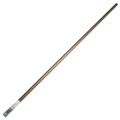
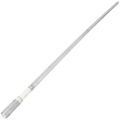
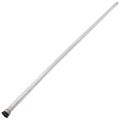
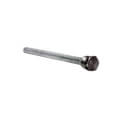
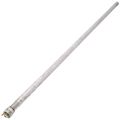
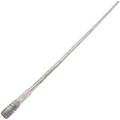
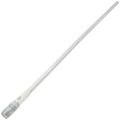
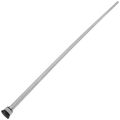
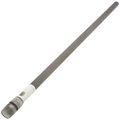
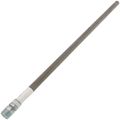
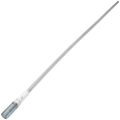
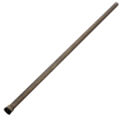
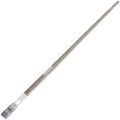
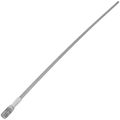
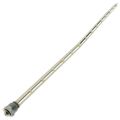

Bradford White anode rods are sacrificial components installed inside residential and commercial water heater tanks to protect the steel tank wall from corrosion. The rod gives up electrons before corrosive elements in the water can attack the tank itself, extending the tank's service life. Bradford White specifies magnesium as the standard rod material because magnesium releases electrons more readily than aluminum, which makes it effective in typical municipal water with a pH near 7. Softened water or water with a low pH consumes a magnesium rod faster, and an aluminum rod handles those more conductive conditions better. Anode condition shows up in the water itself: sputtering at the tap, a rotten egg smell, or discolored water often point to a rod that has worn down and needs replacement. Keeping magnesium and aluminum rods on hand lets a technician match material to the water conditions found at each job rather than defaulting to one option for every tank. Matching the rod to local water chemistry keeps warranty coverage intact and prevents early tank failure.
Subcategories
- Magnesium Anode Rods: Magnesium anode rods are the standard replacement rod for most Bradford White water heaters. Magnesium releases electrons more readily than aluminum, giving it a stronger corrosion-fighting reaction in typical municipal water with a pH near 7. Plumbers and service techs install magnesium rods as the default choice during routine anode inspections and tank maintenance calls. Homes on standard municipal supply without a water softener see the best results from this material.
- Aluminum Anode Rods: Aluminum anode rods are the recommended alternative when water is highly conductive, such as softened water or water with a low pH. Aluminum reacts less aggressively than magnesium, which means it lasts longer under conditions that would otherwise consume a magnesium rod quickly. Techs servicing homes with water softeners or acidic well water reach for aluminum rods to avoid repeat replacement visits. The tradeoff is a slightly weaker corrosion-fighting reaction compared to magnesium in neutral water.
- Combination Anode Rods: Combination anode rods use segmented sections connected by a flexible link instead of a single rigid rod. The segmented design lets installers thread the rod through tight overhead clearances where a full-length rigid rod would not fit. Service techs working in basements, crawl spaces, or closets with low ceiling height use combination rods to complete a swap without cutting into surrounding structure. They thread into the same factory anode port as a standard rod.
- Hex-Head Anode Rods: Hex-head anode rods thread directly into the anode port on top of the tank and use a standard hex head for removal with a socket or wrench. Technicians use this style during routine maintenance because the hex head resists stripping better than a slotted fitting under high torque. Rods that have fused to the tank threads over years of service often need breaker bars or impact tools to remove without damaging the tank opening. Hex-head fittings remain the most common factory design on Bradford White tanks.
Buying Guide
Choosing the right anode rod starts with a look at the water heater's location and the water supply feeding it. A technician who knows whether the home runs on a water softener, well water, or standard municipal supply can match rod material before opening the tank. Water with a pH near 7 and no softener typically wears down a magnesium rod at a predictable rate, so magnesium remains the default pick for that setup. Softened water or acidic well water accelerates magnesium wear, so an aluminum rod holds up longer under those conditions and cuts down on repeat callbacks. Bradford White anode rods come in both rigid and segmented styles, and the ceiling clearance at the tank location often decides which one fits. A rigid rod needs enough vertical clearance to pull straight up and out of the tank, while a segmented or combination rod bends at flexible joints and works in tighter basements or closets. Checking the anode port size and thread pattern against the specific tank model before ordering avoids a second trip for the wrong part. Water quality complaints, such as a sulfur smell or discolored hot water, point to a rod nearing the end of its service life and worth inspecting during any other service call on the unit. Replacing a worn rod before it fully dissolves protects the tank and keeps the manufacturer's warranty valid.
Frequently Asked Questions
How often should an anode rod get replaced?
Inspection every one to three years catches most anode rods before they fully dissolve, though water quality and usage change that timeline. Homes on softened or acidic well water burn through a rod faster than homes on neutral municipal supply. Pulling the rod during any other tank service is the easiest way to check wear without an extra trip.
What's the difference between magnesium and aluminum anode rods?
Magnesium releases electrons more readily and works best in typical municipal water with a pH near 7. Aluminum reacts less aggressively, which makes it last longer in softened water or water with a low pH. Choosing between the two comes down to matching the rod to the water chemistry at the specific job site.
Why does the hot water smell like sulfur after a new anode rod goes in?
A sulfur smell right after replacement usually points to a reaction between the new rod material and bacteria already present in the tank water. Switching from magnesium to aluminum often resolves the odor since aluminum reacts less aggressively with the water. Flushing the tank at the same time as the rod swap also helps clear out the bacteria causing the smell.
Can a segmented anode rod go into any Bradford White tank?
Segmented and combination rods fit the same anode port as a rigid rod, so thread size compatibility carries over between styles. Ceiling clearance is the main reason to choose a segmented rod over a rigid one, not the tank model itself. Confirming the port thread pattern against the specific tank before ordering still matters.
What happens if an anode rod is never replaced?
Skipping anode rod replacement leaves the steel tank exposed to corrosion once the sacrificial material fully dissolves. Corrosion eventually causes pinhole leaks in the tank wall, ending the tank's service life well before it would otherwise fail. Regular anode inspection during maintenance visits catches this before it turns into a full tank replacement.
