



RLS Refrigerant Fittings







 --%3E %3Csvg version='1.1' id='Fill' xmlns='http://www.w3.org/2000/svg' xmlns:xlink='http://www.w3.org/1999/xlink' x='0px' y='0px' viewBox='0 0 100 100' enable-background='new 0 0 100 100' xml:space='preserve'%3E %3Cpath fill='%23F15C02' d='M79.44,0.95H20.56C9.78,0.95,0.95,9.78,0.95,20.56v58.87c0,10.79,8.82,19.61,19.61,19.61h58.87 c10.79,0,19.61-8.83,19.61-19.61V20.56C99.05,9.78,90.22,0.95,79.44,0.95z M65.38,58.24l9.38,29.58L49.69,69.78L24.5,87.82 l9.34-29.6L8.8,39.6l30.73-0.17c0,0,6.98-19.61,10-28.93c0.54,1.36,9.88,29.1,9.88,29.1H91.2L65.38,58.24z'/%3E %3C/svg%3E)
 --%3E %3Csvg version='1.1' id='Half' xmlns='http://www.w3.org/2000/svg' xmlns:xlink='http://www.w3.org/1999/xlink' x='0px' y='0px' viewBox='0 0 100 100' enable-background='new 0 0 100 100' xml:space='preserve'%3E %3Cg%3E %3Cpath fill='%23F15C02' d='M30.05,70.23l3.79-12.01L8.8,39.6l30.73-0.17c0,0,6.98-19.61,10-28.93c0.54,1.36,9.88,29.1,9.88,29.1h1.58 L93.71,7.18c-3.58-3.82-8.66-6.23-14.28-6.23H20.56C9.78,0.95,0.95,9.78,0.95,20.56v58.87c0,5.41,2.22,10.32,5.79,13.88 L30.05,70.23z'/%3E %3C/g%3E %3Cpath fill='%23FBC8B4' d='M93.71,7.18L60.98,39.6H91.2L65.38,58.24l9.38,29.58L49.69,69.78L24.5,87.82l5.55-17.59L6.75,93.32 c3.55,3.54,8.44,5.73,13.82,5.73h58.87c10.79,0,19.61-8.83,19.61-19.61V20.56C99.05,15.4,97.01,10.69,93.71,7.18z'/%3E %3C/svg%3E)


 --%3E %3Csvg version='1.1' id='With-RB' xmlns='http://www.w3.org/2000/svg' xmlns:xlink='http://www.w3.org/1999/xlink' x='0px' y='0px' viewBox='0 0 100 100' enable-background='new 0 0 100 100' xml:space='preserve'%3E %3Cpath fill='%23FBC8B4' d='M79.44,0.95H20.56C9.78,0.95,0.95,9.78,0.95,20.56v58.87c0,10.79,8.82,19.61,19.61,19.61h58.87 c10.79,0,19.61-8.83,19.61-19.61V20.56C99.05,9.78,90.22,0.95,79.44,0.95z M65.38,58.24l9.38,29.58L49.69,69.78L24.5,87.82 l9.34-29.6L8.8,39.6l30.73-0.17c0,0,6.98-19.61,10-28.93c0.54,1.36,9.88,29.1,9.88,29.1H91.2L65.38,58.24z'/%3E %3C/svg%3E)


 --%3E %3Csvg version='1.1' id='No-RB' xmlns='http://www.w3.org/2000/svg' xmlns:xlink='http://www.w3.org/1999/xlink' x='0px' y='0px' viewBox='0 0 100 100' enable-background='new 0 0 100 100' xml:space='preserve'%3E %3Cpath fill='%23CECECE' d='M79.44,0.95H20.56C9.78,0.95,0.95,9.78,0.95,20.56v58.87c0,10.79,8.82,19.61,19.61,19.61h58.87 c10.79,0,19.61-8.83,19.61-19.61V20.56C99.05,9.78,90.22,0.95,79.44,0.95z M65.38,58.24l9.38,29.58L49.69,69.78L24.5,87.82 l9.34-29.6L8.8,39.6l30.73-0.17c0,0,6.98-19.61,10-28.93c0.54,1.36,9.88,29.1,9.88,29.1H91.2L65.38,58.24z'/%3E %3C/svg%3E)
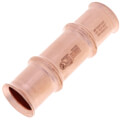
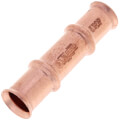
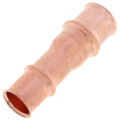
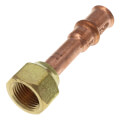
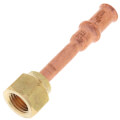


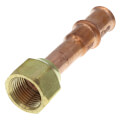


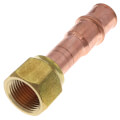
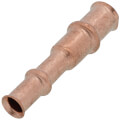

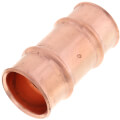


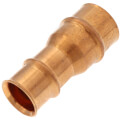
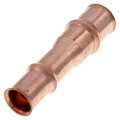


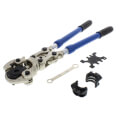
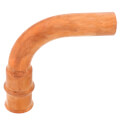
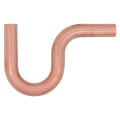
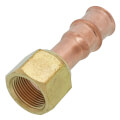

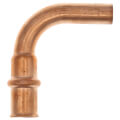

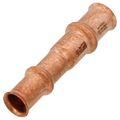
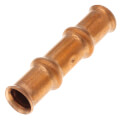
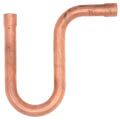
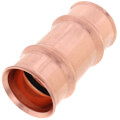
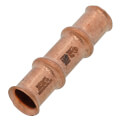
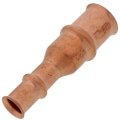

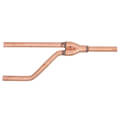
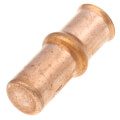

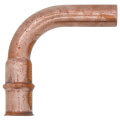
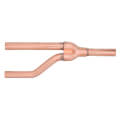

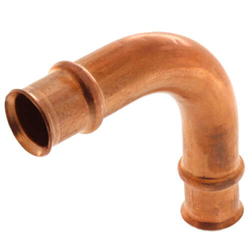
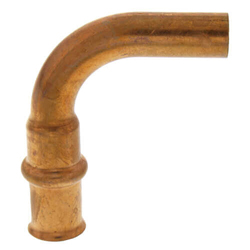
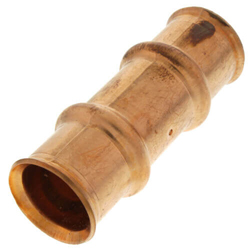
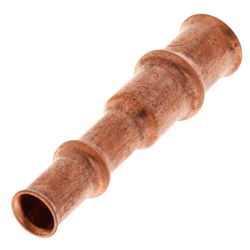
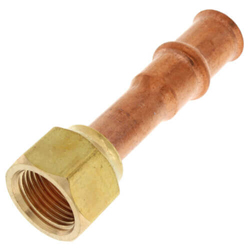
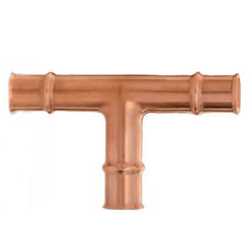
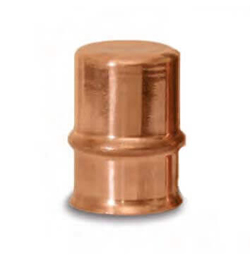
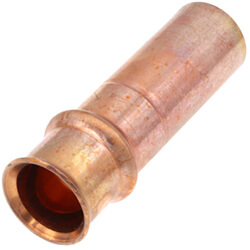
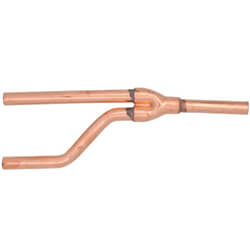
RLS refrigerant fittings are the flare, sweat, and threaded connectors technicians use to join copper line sets, valves, and other components in air conditioning and refrigeration circuits. Because these lines run under pressure and carry refrigerant that must stay contained, the fitting itself does as much work as the compressor or coil it connects to. A tech reaches for this line when splicing an existing line set, extending a run to a new outdoor unit, or adapting between different tubing diameters on a retrofit job. Getting the flare angle, seat, or thread pitch wrong is a common source of slow leaks that surface weeks after a system is charged and running, not during the initial pressure test. Stocking a full range of sizes and configurations means a truck is ready for a straightforward splice or a more involved retrofit without a return trip to the supply house. Matching the fitting to the tubing size and system pressure rating keeps the connection sealed for the life of the system.
Subcategories
- Flare Fittings: Flare fittings create a mechanical seal by flaring the end of a copper tube outward and drawing it against a matching cone seat with a nut. Techs favor them on service valves and line set connections because they can be taken apart and reassembled during a repair without soldering. Common sizes match standard line set diameters used on residential and light commercial split systems. A flare joint depends on a clean, evenly flared tube end, so a quality flaring tool matters as much as the fitting.
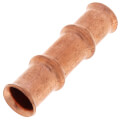
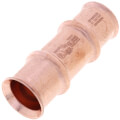
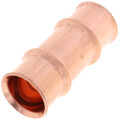
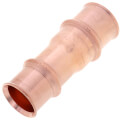
- Sweat (Solder) Fittings: Sweat fittings join copper tubing with a soldered joint instead of a mechanical seal, giving a permanent connection that holds up under continuous vibration and thermal cycling. Contractors use them on line sets that will not be serviced again after brazing, such as inside a finished wall or ceiling cavity. Because the joint is soldered with the system open to atmosphere, technicians purge the line with nitrogen during brazing to prevent internal oxidation. Sweat fittings come in the same diameter range as flare fittings so a tech can match whichever connection method a job calls for.
- Threaded Adapters: Threaded adapters step a fitting from one thread pattern to another, most often when connecting to a valve, gauge port, or piece of equipment that uses a different standard than the line set. Refrigeration and AC equipment sometimes mix metric and imperial threads depending on the manufacturer, so an adapter avoids replacing an entire valve or component. Techs keep a small assortment of adapters on hand for retrofits where the new equipment does not match the existing line set hardware.
- Service Valve Fittings: Service valve fittings attach directly to a system's service ports, giving access for charging, evacuating, and gauge readings during startup or maintenance. Correct fit and seal on this connection matter because a technician relies on it to hold vacuum and pressure through the entire charging process. These fittings typically use a flare connection sized to match the valve's access port.
Buying Guide
Choosing the right RLS refrigerant fitting starts with matching the connection type to the job. A repair or service point that a technician expects to reopen calls for a flare fitting, while a permanent run buried in a wall or ceiling is better served by a sweat fitting soldered into place. Getting the tubing diameter right is just as important as the connection style. Refrigerant lines run in a handful of standard sizes, and a fitting that is even slightly off will not seat correctly no matter how much torque is applied.
Thread pattern matters on adapters and valve connections, since equipment from different manufacturers does not always share the same standard. A tech working a retrofit should check the existing line set and the new equipment's service ports before assuming a fitting will thread on without an adapter.
Material and pressure rating deserve attention too. Refrigerant circuits run at higher pressures than typical plumbing lines, so a fitting rated for general-purpose use is not always suited to refrigeration or AC service. Checking that a fitting is rated for the refrigerant type and pressure range of the system avoids a comeback call.
Finally, stock breadth pays off on service trucks. Carrying a range of flare, sweat, and adapter fittings in the common sizes means fewer trips back to the supply house mid-job, whether the work is a straightforward splice or a full retrofit that mixes tubing standards.
Frequently Asked Questions
What is the difference between a flare fitting and a sweat fitting on a refrigerant line?
A flare fitting uses a mechanical seal and a nut so it can be removed and reconnected during service, while a sweat fitting is soldered in place for a permanent connection. Techs choose flare fittings for accessible, serviceable connections and sweat fittings for runs that will not need to be reopened.
Can refrigerant fittings be mixed between metric and imperial tubing sizes?
A threaded or flare adapter can bridge a metric fitting to an imperial line set or the reverse, which comes up often on retrofits with mixed-brand equipment. Matching the adapter to both the tubing outer diameter and the thread pattern on each side avoids a poor seal.
Do refrigerant fittings need to be replaced every time a line is opened?
A flare fitting can typically be reused if the flare itself is undamaged and reseated properly, but a fitting with a scored or cracked flare face should be replaced rather than risk a leak. Sweat fittings, once soldered, are not designed to be reopened and reused.
What causes a refrigerant fitting to leak after installation?
Most post-installation leaks trace back to an uneven flare, a fitting torqued past its rated spec, or debris on the sealing surface during assembly. Nitrogen pressure testing before charging catches most of these issues before the system goes into service.
What size refrigerant fitting fits a standard residential line set?
Residential split systems commonly use two line diameters, a smaller one for the liquid line and a larger one for the suction line, and fittings are sized to match each. Checking the existing line set or the equipment's installation manual confirms the correct diameter before ordering a replacement fitting.
