




Filters
SORT
Product Availability –
Category –
Application –
Programmability –
User Interface –
Mount –
Options –
Review Score –
 --%3E %3Csvg version='1.1' id='Fill' xmlns='http://www.w3.org/2000/svg' xmlns:xlink='http://www.w3.org/1999/xlink' x='0px' y='0px' viewBox='0 0 100 100' enable-background='new 0 0 100 100' xml:space='preserve'%3E %3Cpath fill='%23F15C02' d='M79.44,0.95H20.56C9.78,0.95,0.95,9.78,0.95,20.56v58.87c0,10.79,8.82,19.61,19.61,19.61h58.87 c10.79,0,19.61-8.83,19.61-19.61V20.56C99.05,9.78,90.22,0.95,79.44,0.95z M65.38,58.24l9.38,29.58L49.69,69.78L24.5,87.82 l9.34-29.6L8.8,39.6l30.73-0.17c0,0,6.98-19.61,10-28.93c0.54,1.36,9.88,29.1,9.88,29.1H91.2L65.38,58.24z'/%3E %3C/svg%3E)
 --%3E %3Csvg version='1.1' id='With-RB' xmlns='http://www.w3.org/2000/svg' xmlns:xlink='http://www.w3.org/1999/xlink' x='0px' y='0px' viewBox='0 0 100 100' enable-background='new 0 0 100 100' xml:space='preserve'%3E %3Cpath fill='%23FBC8B4' d='M79.44,0.95H20.56C9.78,0.95,0.95,9.78,0.95,20.56v58.87c0,10.79,8.82,19.61,19.61,19.61h58.87 c10.79,0,19.61-8.83,19.61-19.61V20.56C99.05,9.78,90.22,0.95,79.44,0.95z M65.38,58.24l9.38,29.58L49.69,69.78L24.5,87.82 l9.34-29.6L8.8,39.6l30.73-0.17c0,0,6.98-19.61,10-28.93c0.54,1.36,9.88,29.1,9.88,29.1H91.2L65.38,58.24z'/%3E %3C/svg%3E)
Price Range –
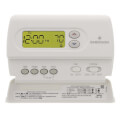
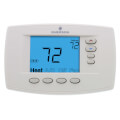
White Rodgers Thermostats




 --%3E %3Csvg version='1.1' id='Half' xmlns='http://www.w3.org/2000/svg' xmlns:xlink='http://www.w3.org/1999/xlink' x='0px' y='0px' viewBox='0 0 100 100' enable-background='new 0 0 100 100' xml:space='preserve'%3E %3Cg%3E %3Cpath fill='%23F15C02' d='M30.05,70.23l3.79-12.01L8.8,39.6l30.73-0.17c0,0,6.98-19.61,10-28.93c0.54,1.36,9.88,29.1,9.88,29.1h1.58 L93.71,7.18c-3.58-3.82-8.66-6.23-14.28-6.23H20.56C9.78,0.95,0.95,9.78,0.95,20.56v58.87c0,5.41,2.22,10.32,5.79,13.88 L30.05,70.23z'/%3E %3C/g%3E %3Cpath fill='%23FBC8B4' d='M93.71,7.18L60.98,39.6H91.2L65.38,58.24l9.38,29.58L49.69,69.78L24.5,87.82l5.55-17.59L6.75,93.32 c3.55,3.54,8.44,5.73,13.82,5.73h58.87c10.79,0,19.61-8.83,19.61-19.61V20.56C99.05,15.4,97.01,10.69,93.71,7.18z'/%3E %3C/svg%3E)




 --%3E %3Csvg version='1.1' id='No-RB' xmlns='http://www.w3.org/2000/svg' xmlns:xlink='http://www.w3.org/1999/xlink' x='0px' y='0px' viewBox='0 0 100 100' enable-background='new 0 0 100 100' xml:space='preserve'%3E %3Cpath fill='%23CECECE' d='M79.44,0.95H20.56C9.78,0.95,0.95,9.78,0.95,20.56v58.87c0,10.79,8.82,19.61,19.61,19.61h58.87 c10.79,0,19.61-8.83,19.61-19.61V20.56C99.05,9.78,90.22,0.95,79.44,0.95z M65.38,58.24l9.38,29.58L49.69,69.78L24.5,87.82 l9.34-29.6L8.8,39.6l30.73-0.17c0,0,6.98-19.61,10-28.93c0.54,1.36,9.88,29.1,9.88,29.1H91.2L65.38,58.24z'/%3E %3C/svg%3E)


White Rodgers thermostats control the heating and cooling equipment in residential and light commercial systems, ranging from basic non-programmable digital models to touchscreen units that manage multi-stage heat pumps. The lineup runs on standard 24V HVAC control power, with several models supporting both battery backup and hardwired operation so a unit keeps its schedule through a brief power outage. Programmable models like the 5-1-1 day schedule units give building occupants a weekday and weekend routine, while non-programmable versions suit rentals or simpler installations where a fixed setpoint is enough. Higher-end touchscreen thermostats extend to two-stage heating and cooling and include Active Comfort Alert, a feature that flags short-cycling before it wears down a compressor. White Rodgers designs its terminal layouts to match common competitive wiring patterns, which is part of why technicians often reach for this brand when swapping a thermostat without rewiring the existing low-voltage connections.
Subcategories
- Non-Programmable Thermostats: Fixed-schedule digital models for single-stage heat and cool systems, common in rentals and simple installations.
- Programmable Thermostats: Models with 5-1-1 or similar weekly scheduling and backlit displays for owner-occupied homes.
- Heat Pump Thermostats: Built to manage the staging differences between a heat pump and a straight heat and cool system, including auxiliary heat.
- Touchscreen and Smart Thermostats: Multi-stage models with Wi-Fi and smart-home compatibility for systems up to two heat and two cool stages.
Buying Guide
Choosing a White Rodgers thermostat starts with matching it to the equipment it will control, since a single-stage heat and cool system needs a different model than a two-stage furnace or a heat pump with auxiliary heat. Heat pump systems in particular require a thermostat built to manage the staging differences between the heat pump itself and any backup heat strips, and installing a standard heat and cool thermostat on that setup can leave the auxiliary heat running more than necessary. Programmable versus non-programmable is largely a matter of how the space is used: rental units and simple applications often do better with a fixed, non-programmable model that is harder for an occupant to mis-set, while an owner-occupied home usually benefits from a programmable schedule. Wiring compatibility matters when replacing an existing thermostat rather than installing new, and White Rodgers models are built with terminal markings that match common competitive layouts, which usually means the existing low-voltage wires can connect without relabeling. For systems where short-cycling has been a complaint, a model with Active Comfort Alert flags that condition before it wears down the compressor. Power source is worth confirming too, since some models run on battery only while others support hardwired 24V operation with battery backup for schedule retention during an outage.
Frequently Asked Questions
Will a White Rodgers thermostat work with my existing wiring?
Most models use terminal markings that match common industry layouts, so existing low-voltage wires typically connect without relabeling. Checking the wire count and the equipment type, conventional heat and cool versus heat pump, against the model's compatibility chart before installing is still worth the extra minute.
What is Active Comfort Alert?
It is a feature on select White Rodgers models that flags a compressor short-cycling condition, which happens when a system turns on and off too rapidly and can shorten compressor life. The alert gives a technician or homeowner a warning before the short-cycling causes lasting damage.
Does a White Rodgers thermostat need batteries if it is hardwired?
Several models support both hardwired 24V power and battery backup, so the battery keeps the programmed schedule during a power outage even though the thermostat draws its normal operating power from the system wiring. Models without a battery backup option will lose their schedule and require reprogramming after an outage.
Can the same thermostat control a heat pump and a standard furnace?
No single thermostat covers every system type; heat pump models are built to manage staging differences that a straight heat and cool thermostat does not handle. Confirming the equipment type before selecting a model avoids installing a unit that cannot properly control the auxiliary heat stages.
What is the difference between programmable and non-programmable models?
Programmable thermostats, including 5-1-1 day schedule models, let an occupant set different temperatures for different times and days, while non-programmable models hold a single setpoint until it is changed manually. Rentals and simpler installations often use non-programmable models since there is less for an occupant to misconfigure.
