




Solid State Relays

 --%3E %3Csvg version='1.1' id='No-RB' xmlns='http://www.w3.org/2000/svg' xmlns:xlink='http://www.w3.org/1999/xlink' x='0px' y='0px' viewBox='0 0 100 100' enable-background='new 0 0 100 100' xml:space='preserve'%3E %3Cpath fill='%23CECECE' d='M79.44,0.95H20.56C9.78,0.95,0.95,9.78,0.95,20.56v58.87c0,10.79,8.82,19.61,19.61,19.61h58.87 c10.79,0,19.61-8.83,19.61-19.61V20.56C99.05,9.78,90.22,0.95,79.44,0.95z M65.38,58.24l9.38,29.58L49.69,69.78L24.5,87.82 l9.34-29.6L8.8,39.6l30.73-0.17c0,0,6.98-19.61,10-28.93c0.54,1.36,9.88,29.1,9.88,29.1H91.2L65.38,58.24z'/%3E %3C/svg%3E)
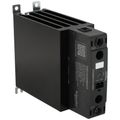

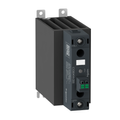
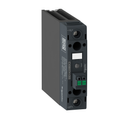
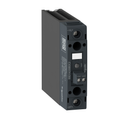
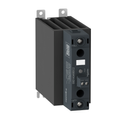
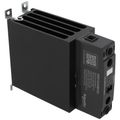

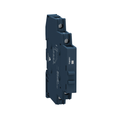

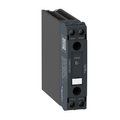
Solid State Relays are electronic switching devices that use semiconductor components instead of mechanical contacts to control power to a load, making them a common replacement for electromechanical relays in HVAC control panels and industrial equipment. SupplyHouse stocks Harmony DIN rail mount solid state relays available in both zero voltage switching and random switching designs, with amperage ratings including 20A, 35A, 45A, and 60A depending on the model. Zero voltage switching turns the load on at the point where the AC waveform crosses zero, which cuts down on inrush current and electrical noise compared to random switching designs. Because there's no mechanical contact to wear out, solid state relays hold up better than standard relays in applications with frequent cycling, like staged heating or cooling equipment that switches on and off many times per day. Spring or screw terminal input options give installers flexibility on wiring method depending on panel layout and personal preference. For control panel work where cycle life and switching noise matter more than upfront simplicity, solid state relays are the more durable choice over standard relays.
Subcategories
- Zero Voltage Switching Relays: Solid state relays that turn the load on precisely at the zero-crossing point of the AC waveform, which limits inrush current and reduces electrical noise on the line. Common choice for resistive loads like electric heat elements where clean switching matters. Available in amperage ratings up to 60A in the DIN rail mount Harmony line.
- Random Switching Relays: Solid state relays that switch the load on as soon as the control signal is received, without waiting for the AC waveform to cross zero. Used on loads like transformers or certain motor applications where zero-cross switching isn't required or where faster response time matters more than minimizing inrush current. Available in the same amperage range as zero voltage switching models, including 20A, 35A, 45A, and 60A options.
- DIN Rail Mount Relays: Solid state relays built to snap onto standard DIN rail inside a control panel, keeping wiring organized alongside other panel components like terminal blocks and circuit breakers. Available with either spring or screw terminal input connections depending on installer preference. Common in HVAC control panels where panel space and clean wire routing matter.
- Contactor and Relay Configurations: Solid state relays available in both relay-style and contactor-style configurations depending on the switching capacity and application needs. Contactor-style units typically handle higher current loads, while relay-style units cover lower-current control circuits. Choosing between the two comes down to the amperage draw of the load being switched.
Buying Guide
Start with the load type. Resistive loads like electric heat strips pair well with zero voltage switching relays, since switching at the AC waveform's zero-crossing point limits inrush current and electrical noise. Inductive or motor loads sometimes call for random switching relays instead, particularly where a faster response time matters more than minimizing inrush. Amperage rating comes next. Solid State Relays in the Harmony DIN rail line are available at 20A, 35A, 45A, and 60A, so matching the rating to the actual load current, with margin for inrush on motor or transformer loads, keeps the relay from running hot or failing prematurely. Undersizing a relay for a cycling load is one of the more common causes of early failure in control panels. Mounting and wiring style matter for panel layout. DIN rail mount relays keep wiring organized next to breakers and terminal blocks, and choosing between spring and screw terminal input comes down to which style matches the rest of the panel's wiring method. Consistency across a panel speeds up both the initial build and any future troubleshooting. Cycle frequency is the last factor worth weighing. Solid state relays have no mechanical contacts to wear out, so they outlast standard electromechanical relays in applications with frequent on-off cycling, like staged equipment that switches many times a day. For loads that cycle rarely, a standard mechanical relay may still be the simpler and more familiar option for a service tech.
Frequently Asked Questions
What's the difference between a solid state relay and a standard electromechanical relay?
A solid state relay switches power using semiconductor components with no moving parts, while a standard relay uses a mechanical contact that physically opens and closes. Because there's nothing to wear out mechanically, solid state relays hold up better under frequent cycling than standard relays.
What's the difference between zero voltage switching and random switching?
Zero voltage switching turns the load on at the exact point where the AC waveform crosses zero, which limits inrush current and electrical noise. Random switching turns the load on as soon as the control signal arrives, without waiting for that zero-crossing point, which can suit certain inductive or motor loads better.
What amperage ratings are available for DIN rail mount solid state relays?
DIN rail mount solid state relays in the Harmony line are available at 20A, 35A, 45A, and 60A. Picking the right rating means matching it to the actual load current plus margin for inrush, especially on motor or transformer loads.
Should input wiring be spring or screw terminal?
Both spring and screw terminal input options are available on DIN rail mount solid state relays. Matching the terminal style to the rest of the panel's wiring keeps the build consistent and speeds up future troubleshooting.
Do solid state relays work for every type of load?
Solid state relays handle a wide range of resistive and inductive loads, but the right switching type still depends on the load. Staged heating equipment and other frequently cycling loads are a strong fit for solid state relays, while loads that cycle rarely may not need the added cost over a standard mechanical relay.
