




Filters
SORT
Product Availability –
Product Type –
Brand –
Volume –
Color –
Type –
Review Score –
 --%3E %3Csvg version='1.1' id='Fill' xmlns='http://www.w3.org/2000/svg' xmlns:xlink='http://www.w3.org/1999/xlink' x='0px' y='0px' viewBox='0 0 100 100' enable-background='new 0 0 100 100' xml:space='preserve'%3E %3Cpath fill='%23F15C02' d='M79.44,0.95H20.56C9.78,0.95,0.95,9.78,0.95,20.56v58.87c0,10.79,8.82,19.61,19.61,19.61h58.87 c10.79,0,19.61-8.83,19.61-19.61V20.56C99.05,9.78,90.22,0.95,79.44,0.95z M65.38,58.24l9.38,29.58L49.69,69.78L24.5,87.82 l9.34-29.6L8.8,39.6l30.73-0.17c0,0,6.98-19.61,10-28.93c0.54,1.36,9.88,29.1,9.88,29.1H91.2L65.38,58.24z'/%3E %3C/svg%3E)
 --%3E %3Csvg version='1.1' id='With-RB' xmlns='http://www.w3.org/2000/svg' xmlns:xlink='http://www.w3.org/1999/xlink' x='0px' y='0px' viewBox='0 0 100 100' enable-background='new 0 0 100 100' xml:space='preserve'%3E %3Cpath fill='%23FBC8B4' d='M79.44,0.95H20.56C9.78,0.95,0.95,9.78,0.95,20.56v58.87c0,10.79,8.82,19.61,19.61,19.61h58.87 c10.79,0,19.61-8.83,19.61-19.61V20.56C99.05,9.78,90.22,0.95,79.44,0.95z M65.38,58.24l9.38,29.58L49.69,69.78L24.5,87.82 l9.34-29.6L8.8,39.6l30.73-0.17c0,0,6.98-19.61,10-28.93c0.54,1.36,9.88,29.1,9.88,29.1H91.2L65.38,58.24z'/%3E %3C/svg%3E)
Price Range –
Sealants





 --%3E %3Csvg version='1.1' id='Half' xmlns='http://www.w3.org/2000/svg' xmlns:xlink='http://www.w3.org/1999/xlink' x='0px' y='0px' viewBox='0 0 100 100' enable-background='new 0 0 100 100' xml:space='preserve'%3E %3Cg%3E %3Cpath fill='%23F15C02' d='M30.05,70.23l3.79-12.01L8.8,39.6l30.73-0.17c0,0,6.98-19.61,10-28.93c0.54,1.36,9.88,29.1,9.88,29.1h1.58 L93.71,7.18c-3.58-3.82-8.66-6.23-14.28-6.23H20.56C9.78,0.95,0.95,9.78,0.95,20.56v58.87c0,5.41,2.22,10.32,5.79,13.88 L30.05,70.23z'/%3E %3C/g%3E %3Cpath fill='%23FBC8B4' d='M93.71,7.18L60.98,39.6H91.2L65.38,58.24l9.38,29.58L49.69,69.78L24.5,87.82l5.55-17.59L6.75,93.32 c3.55,3.54,8.44,5.73,13.82,5.73h58.87c10.79,0,19.61-8.83,19.61-19.61V20.56C99.05,15.4,97.01,10.69,93.71,7.18z'/%3E %3C/svg%3E)

 --%3E %3Csvg version='1.1' id='No-RB' xmlns='http://www.w3.org/2000/svg' xmlns:xlink='http://www.w3.org/1999/xlink' x='0px' y='0px' viewBox='0 0 100 100' enable-background='new 0 0 100 100' xml:space='preserve'%3E %3Cpath fill='%23CECECE' d='M79.44,0.95H20.56C9.78,0.95,0.95,9.78,0.95,20.56v58.87c0,10.79,8.82,19.61,19.61,19.61h58.87 c10.79,0,19.61-8.83,19.61-19.61V20.56C99.05,9.78,90.22,0.95,79.44,0.95z M65.38,58.24l9.38,29.58L49.69,69.78L24.5,87.82 l9.34-29.6L8.8,39.6l30.73-0.17c0,0,6.98-19.61,10-28.93c0.54,1.36,9.88,29.1,9.88,29.1H91.2L65.38,58.24z'/%3E %3C/svg%3E)
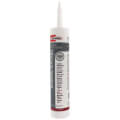
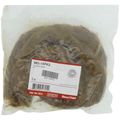
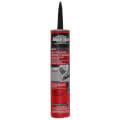
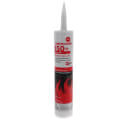
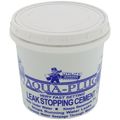
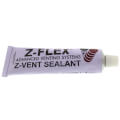



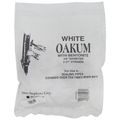
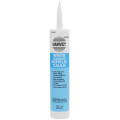

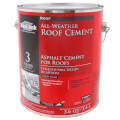
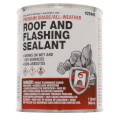
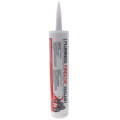
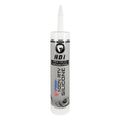
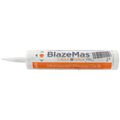

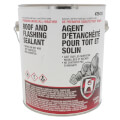
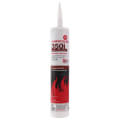
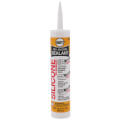
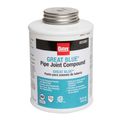
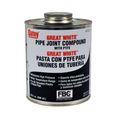
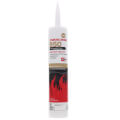
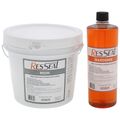
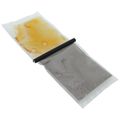
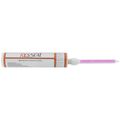
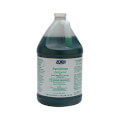
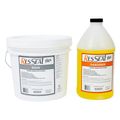
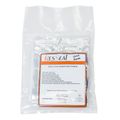
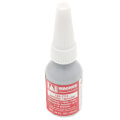
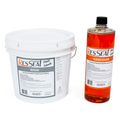
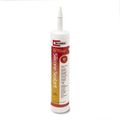
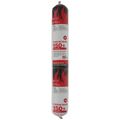

Sealants create a watertight or airtight barrier at pipe joints, roof penetrations, and duct connections across plumbing and HVAC installations. SupplyHouse stocks sealants including Hercules Plastic Seal pipe joint compound, Hercules Roof and Flashing Sealant, and HVAC-specific products such as ResSeal Flex elastomeric coating. Plastic Seal is a soil pipe thread sealant used on threaded plastic and metal pipe joints where a pipe dope style compound is called for instead of tape. Roof and flashing sealants seal penetrations where vent stacks, flashing, and other roof fixtures pass through the roofing material, protecting against water intrusion. Selecting a sealant rated for the specific material, whether plastic pipe, metal roofing, or sheet metal ductwork, keeps the seal intact under the temperature and movement conditions of that application. Using the wrong sealant type for the substrate is a common cause of a joint or penetration failing early.
Subcategories
- Pipe Joint Compounds: Pipe joint compounds, such as Hercules Plastic Seal, coat threaded pipe connections to fill the gaps between threads and prevent leaks under system pressure. Plumbers use these compounds on threaded plastic and metal pipe joints as an alternative or supplement to thread seal tape, particularly on larger diameter threaded fittings. The compound stays workable during assembly, which allows a fitting to be adjusted slightly after it's threaded together. Compatibility with the specific pipe material, since some pipe dopes are not rated for certain plastics, needs to be checked before applying.
- Roof and Flashing Sealants: Roof and flashing sealants seal the joints and penetrations around vent stacks, flashing, and other fixtures that pass through a roof. Installers apply these sealants where a pipe or vent penetrates the roofing material to stop water intrusion at that connection point. Polyurethane-based formulas remain flexible after curing, which allows the seal to move with roof expansion and contraction across temperature swings without cracking. Correct surface preparation, including a clean and dry application surface, affects how well the sealant bonds and how long the seal lasts.
- HVAC Duct and Coil Sealants: HVAC sealants such as ResSeal Flex coat and seal coils, cabinets, and other sheet metal components against corrosion and minor leaks. Technicians apply an elastomeric HVAC sealant to a coil or cabinet section showing early corrosion to extend its service life before full replacement becomes necessary. The flexible, corrosion resistant coating also helps seal small leaks in a coil that would otherwise require replacing the entire section. Separate duct sealants and adhesives, covered in their own category, are formulated specifically for sealing duct seams rather than coil surfaces.
Buying Guide
Matching the sealant to the material being joined is the starting point, since a compound formulated for threaded plastic pipe is not necessarily rated for metal roofing or sheet metal ductwork. Checking the product label against the specific substrate, whether PVC, CPVC, galvanized steel, or an HVAC coil surface, avoids a seal that fails prematurely or damages the material.
Application method matters next. Pipe joint compounds are brushed onto threads before assembly and need to stay workable long enough to thread and adjust the fitting, while roof and flashing sealants are typically gun applied from a cartridge and need enough open time to tool the bead before it skins over. Sealants intended for coils or cabinets are usually brushed or sprayed on in a thin, even coat rather than applied as a heavy bead.
Cure time and temperature range affect scheduling on the job. A sealant that needs an extended cure time before the joint or roof penetration can be exposed to water or pressure needs to be factored into the project timeline, particularly on time-sensitive service calls.
Surface preparation has a bigger effect on Sealants performance than the specific product chosen in many cases. A clean, dry, and properly prepared surface helps any of these sealants bond and hold up over time, while sealant applied over dirt, moisture, or old failed sealant tends to fail again at the same spot.
Frequently Asked Questions
Can pipe joint compound be used instead of thread seal tape?
Pipe joint compound and thread seal tape both seal threaded connections, and many plumbers use one or the other based on preference or the specific fitting material. Compound coats the entire thread surface and stays workable during assembly, while tape provides a thinner, more precise seal on smaller fittings. Checking that the chosen compound is rated for the pipe material, since not every compound suits every plastic, is worth confirming before use.
How long does roof and flashing sealant need to cure before it's rain-ready?
Cure time varies by product and depends on temperature and humidity at the time of application, so checking the specific product's technical data is the most reliable way to plan around weather. Polyurethane-based sealants generally need a surface skin to form before exposure to rain, though full cure takes longer. Scheduling flashing work with enough dry time built in reduces the risk of the sealant washing out before it sets.
What is ResSeal Flex used for?
ResSeal Flex is an elastomeric, corrosion resistant coating used on HVAC coils and cabinet sections to seal minor leaks and slow further corrosion. Technicians apply it to a coil or cabinet showing early rust or pinhole leaks as a way to extend service life before full replacement is needed. It is applied as a coating rather than a bead, covering the affected surface area.
Is duct sealant the same as coil sealant?
Duct sealant and coil sealant serve different purposes and are typically separate products, even though both fall under general HVAC sealants. Duct sealants and adhesives are formulated to seal seams and joints in sheet metal or fiberglass ductwork, while coil sealants like ResSeal Flex are formulated to coat and protect a coil surface. Using the correct product for each application keeps the seal effective and avoids applying a coating not rated for that surface.
Does old sealant need to be removed before applying new sealant?
Removing old, failed sealant before applying new material gives the new sealant a clean surface to bond to, which improves how long the repair lasts. Applying new sealant directly over old, cracked, or dirty sealant is a common reason a repair fails again in the same spot. Scraping and cleaning the area, then allowing it to dry before reapplying, is worth the extra time on the job.
