




Filters
SORT
Product Availability –
Category –
Size –
Pressure Set Point –
Capacity (BTU) –
Review Score –
 --%3E %3Csvg version='1.1' id='Fill' xmlns='http://www.w3.org/2000/svg' xmlns:xlink='http://www.w3.org/1999/xlink' x='0px' y='0px' viewBox='0 0 100 100' enable-background='new 0 0 100 100' xml:space='preserve'%3E %3Cpath fill='%23F15C02' d='M79.44,0.95H20.56C9.78,0.95,0.95,9.78,0.95,20.56v58.87c0,10.79,8.82,19.61,19.61,19.61h58.87 c10.79,0,19.61-8.83,19.61-19.61V20.56C99.05,9.78,90.22,0.95,79.44,0.95z M65.38,58.24l9.38,29.58L49.69,69.78L24.5,87.82 l9.34-29.6L8.8,39.6l30.73-0.17c0,0,6.98-19.61,10-28.93c0.54,1.36,9.88,29.1,9.88,29.1H91.2L65.38,58.24z'/%3E %3C/svg%3E)
 --%3E %3Csvg version='1.1' id='With-RB' xmlns='http://www.w3.org/2000/svg' xmlns:xlink='http://www.w3.org/1999/xlink' x='0px' y='0px' viewBox='0 0 100 100' enable-background='new 0 0 100 100' xml:space='preserve'%3E %3Cpath fill='%23FBC8B4' d='M79.44,0.95H20.56C9.78,0.95,0.95,9.78,0.95,20.56v58.87c0,10.79,8.82,19.61,19.61,19.61h58.87 c10.79,0,19.61-8.83,19.61-19.61V20.56C99.05,9.78,90.22,0.95,79.44,0.95z M65.38,58.24l9.38,29.58L49.69,69.78L24.5,87.82 l9.34-29.6L8.8,39.6l30.73-0.17c0,0,6.98-19.61,10-28.93c0.54,1.36,9.88,29.1,9.88,29.1H91.2L65.38,58.24z'/%3E %3C/svg%3E)
Price Range –
Apollo Relief Valves

 --%3E %3Csvg version='1.1' id='No-RB' xmlns='http://www.w3.org/2000/svg' xmlns:xlink='http://www.w3.org/1999/xlink' x='0px' y='0px' viewBox='0 0 100 100' enable-background='new 0 0 100 100' xml:space='preserve'%3E %3Cpath fill='%23CECECE' d='M79.44,0.95H20.56C9.78,0.95,0.95,9.78,0.95,20.56v58.87c0,10.79,8.82,19.61,19.61,19.61h58.87 c10.79,0,19.61-8.83,19.61-19.61V20.56C99.05,9.78,90.22,0.95,79.44,0.95z M65.38,58.24l9.38,29.58L49.69,69.78L24.5,87.82 l9.34-29.6L8.8,39.6l30.73-0.17c0,0,6.98-19.61,10-28.93c0.54,1.36,9.88,29.1,9.88,29.1H91.2L65.38,58.24z'/%3E %3C/svg%3E)

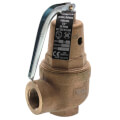
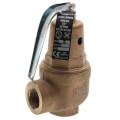
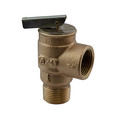
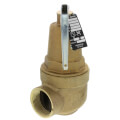
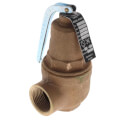
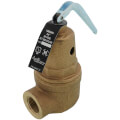
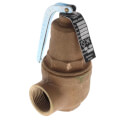
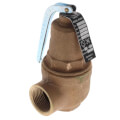
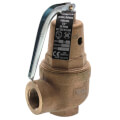
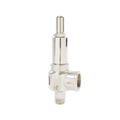
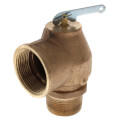
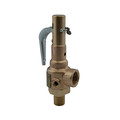
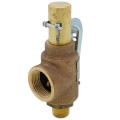
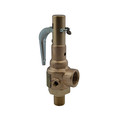
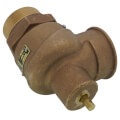

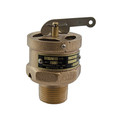
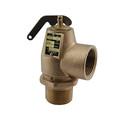
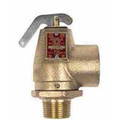
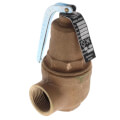
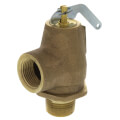
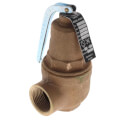
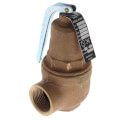

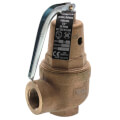
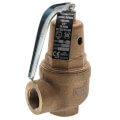
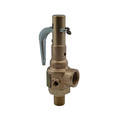
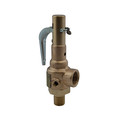
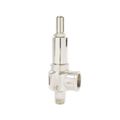
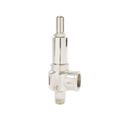
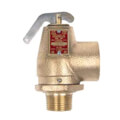
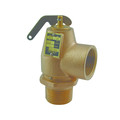
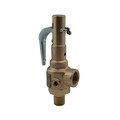
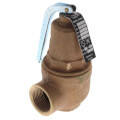

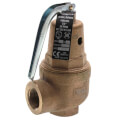
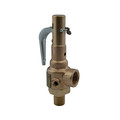
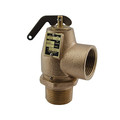


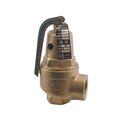
Apollo relief valves are safety devices that open automatically once system pressure or temperature exceeds a set limit, venting excess pressure to protect piping, tanks, and equipment from a dangerous overpressure event. Apollo Valves has manufactured relief valves and other flow control products since 1928, when the company operated as Conbraco Industries before adopting the Apollo brand name in 2005. The relief valve line covers air and gas service, steam service, vacuum relief, and water or other liquid service, each engineered around the specific failure mode that type of system presents. Contractors and facility engineers select a relief valve based on the medium it's protecting and the exact pressure or temperature setting the connected equipment's manufacturer specifies, since a relief valve set too high won't activate in time and one set too low trips on normal operation.
Subcategories
- Air and Gas Safety Relief Valves: Air and gas relief valves vent compressed air or gas systems once pressure exceeds a set limit, protecting compressors, receiver tanks, and connected piping from overpressure. Facilities running compressed air systems for pneumatic tools or process equipment specify these valves as a required safety component on the receiver tank. Setting the relief pressure below the tank's rated working pressure keeps the valve as the first line of protection ahead of a tank failure.
- Steam Safety Relief Valves: Steam relief valves protect boilers and steam piping from a dangerous pressure buildup, opening at a set pressure to vent excess steam before it threatens the vessel. Boiler installers and service technicians match the relief valve's set pressure to the boiler's ASME-rated maximum allowable working pressure, never above it. Steam service places extra demand on valve materials because of the higher operating temperatures involved compared to a typical liquid relief application.
- Vacuum Relief Valves: Vacuum relief valves address the opposite problem from a standard pressure relief valve, opening to admit air into a system when internal pressure drops below atmospheric and risks collapsing a tank or vessel. Tanks and vessels that can be drained or cooled quickly are the most common application, since a rapid pressure drop without a vacuum relief valve can implode thin-walled equipment. Specifying a vacuum relief valve alongside a standard pressure relief valve covers both failure directions on a sealed vessel.
- Water and Liquid Safety Relief Valves: Water and other liquid relief valves protect hot water heaters, hydronic boilers, and liquid-filled systems from thermal expansion or pump overpressure. Plumbing and hydronic contractors size these valves to the connected equipment's rated working pressure and temperature, matching both since a water heater relief valve typically needs both a pressure and a temperature trip point. Replacing a relief valve with the same rated setting as the original keeps the connected equipment's safety margin intact.
Buying Guide
Selecting an Apollo relief valve starts with identifying the medium it will protect: air and gas, steam, vacuum, or water and other liquids each call for a valve engineered around that specific service's failure mode and materials. Using a valve rated for the wrong medium risks either a valve that won't seat properly under the actual operating conditions or one that degrades faster than expected.
Set pressure comes next, and it always traces back to the connected equipment's own rating rather than a general rule of thumb. A relief valve protecting a boiler, tank, or water heater needs its trip point set at or below that equipment's ASME-rated maximum allowable working pressure, since setting it any higher defeats the purpose of the safety device. For Apollo Relief Valves specifically, water heater and hydronic applications often need a valve rated for both pressure and temperature, since thermal expansion alone can trip a pressure-only valve short of matching the actual failure condition it's meant to catch.
Vacuum relief is worth checking separately from standard overpressure protection. A sealed tank or vessel that can be drained or cooled quickly enough to pull an internal vacuum needs a dedicated vacuum relief valve in addition to, not instead of, its standard pressure relief valve. Confirming connection size and thread type against the existing piping rounds out the selection before ordering a replacement or new-install valve.
Frequently Asked Questions
How is a relief valve's set pressure determined?
Set pressure always traces back to the connected equipment's own ASME-rated maximum allowable working pressure, never set above it. Installing a relief valve rated higher than the equipment it's protecting defeats the purpose of the safety device.
What's the difference between a pressure relief valve and a vacuum relief valve?
A pressure relief valve vents excess pressure from inside a system to protect against overpressure, while a vacuum relief valve admits air into a system to prevent it from collapsing under a vacuum. Some sealed vessels need both types installed together to cover overpressure and vacuum failure modes.
Do water heater relief valves need both a pressure and temperature rating?
Yes, most water heater and hydronic relief valves are rated for both pressure and temperature, since thermal expansion inside a closed system can create a dangerous condition that a pressure-only valve wouldn't catch in time. Matching both ratings to the connected equipment keeps the safety margin intact.
Can a steam relief valve be used on a water system instead?
No, steam relief valves are built with materials suited to the higher temperatures involved in steam service, and using one on a water or liquid system risks a mismatch between the valve's design and the actual operating conditions. Selecting the relief valve category that matches the actual medium is the safer approach.
When would a facility need a vacuum relief valve in addition to a standard relief valve?
A vacuum relief valve is worth adding to any sealed tank or vessel that can be drained or cooled quickly enough to pull an internal vacuum, since a standard pressure relief valve does nothing to protect against that failure direction. Tanks subject to rapid draining or cooling cycles are the most common candidates.
