




Filters
SORT
Product Availability –
Brand –
Product Type –
Battery Type –
Sensor Type –
Review Score –
 --%3E %3Csvg version='1.1' id='Fill' xmlns='http://www.w3.org/2000/svg' xmlns:xlink='http://www.w3.org/1999/xlink' x='0px' y='0px' viewBox='0 0 100 100' enable-background='new 0 0 100 100' xml:space='preserve'%3E %3Cpath fill='%23F15C02' d='M79.44,0.95H20.56C9.78,0.95,0.95,9.78,0.95,20.56v58.87c0,10.79,8.82,19.61,19.61,19.61h58.87 c10.79,0,19.61-8.83,19.61-19.61V20.56C99.05,9.78,90.22,0.95,79.44,0.95z M65.38,58.24l9.38,29.58L49.69,69.78L24.5,87.82 l9.34-29.6L8.8,39.6l30.73-0.17c0,0,6.98-19.61,10-28.93c0.54,1.36,9.88,29.1,9.88,29.1H91.2L65.38,58.24z'/%3E %3C/svg%3E)
 --%3E %3Csvg version='1.1' id='With-RB' xmlns='http://www.w3.org/2000/svg' xmlns:xlink='http://www.w3.org/1999/xlink' x='0px' y='0px' viewBox='0 0 100 100' enable-background='new 0 0 100 100' xml:space='preserve'%3E %3Cpath fill='%23FBC8B4' d='M79.44,0.95H20.56C9.78,0.95,0.95,9.78,0.95,20.56v58.87c0,10.79,8.82,19.61,19.61,19.61h58.87 c10.79,0,19.61-8.83,19.61-19.61V20.56C99.05,9.78,90.22,0.95,79.44,0.95z M65.38,58.24l9.38,29.58L49.69,69.78L24.5,87.82 l9.34-29.6L8.8,39.6l30.73-0.17c0,0,6.98-19.61,10-28.93c0.54,1.36,9.88,29.1,9.88,29.1H91.2L65.38,58.24z'/%3E %3C/svg%3E)
Price Range –
Carbon Monoxide Detectors

 --%3E %3Csvg version='1.1' id='No-RB' xmlns='http://www.w3.org/2000/svg' xmlns:xlink='http://www.w3.org/1999/xlink' x='0px' y='0px' viewBox='0 0 100 100' enable-background='new 0 0 100 100' xml:space='preserve'%3E %3Cpath fill='%23CECECE' d='M79.44,0.95H20.56C9.78,0.95,0.95,9.78,0.95,20.56v58.87c0,10.79,8.82,19.61,19.61,19.61h58.87 c10.79,0,19.61-8.83,19.61-19.61V20.56C99.05,9.78,90.22,0.95,79.44,0.95z M65.38,58.24l9.38,29.58L49.69,69.78L24.5,87.82 l9.34-29.6L8.8,39.6l30.73-0.17c0,0,6.98-19.61,10-28.93c0.54,1.36,9.88,29.1,9.88,29.1H91.2L65.38,58.24z'/%3E %3C/svg%3E)



 --%3E %3Csvg version='1.1' id='Half' xmlns='http://www.w3.org/2000/svg' xmlns:xlink='http://www.w3.org/1999/xlink' x='0px' y='0px' viewBox='0 0 100 100' enable-background='new 0 0 100 100' xml:space='preserve'%3E %3Cg%3E %3Cpath fill='%23F15C02' d='M30.05,70.23l3.79-12.01L8.8,39.6l30.73-0.17c0,0,6.98-19.61,10-28.93c0.54,1.36,9.88,29.1,9.88,29.1h1.58 L93.71,7.18c-3.58-3.82-8.66-6.23-14.28-6.23H20.56C9.78,0.95,0.95,9.78,0.95,20.56v58.87c0,5.41,2.22,10.32,5.79,13.88 L30.05,70.23z'/%3E %3C/g%3E %3Cpath fill='%23FBC8B4' d='M93.71,7.18L60.98,39.6H91.2L65.38,58.24l9.38,29.58L49.69,69.78L24.5,87.82l5.55-17.59L6.75,93.32 c3.55,3.54,8.44,5.73,13.82,5.73h58.87c10.79,0,19.61-8.83,19.61-19.61V20.56C99.05,15.4,97.01,10.69,93.71,7.18z'/%3E %3C/svg%3E)


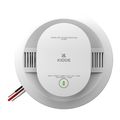

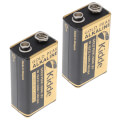
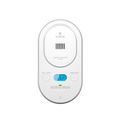

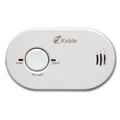
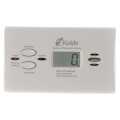
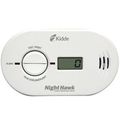
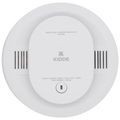
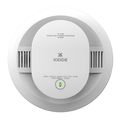


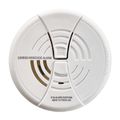
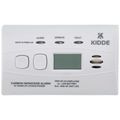
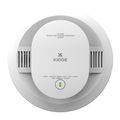


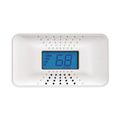



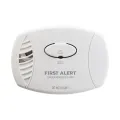
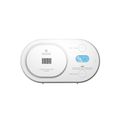
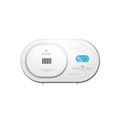
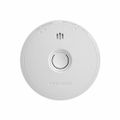

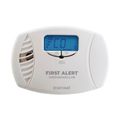

Carbon Monoxide Detectors are safety devices that sense dangerous concentrations of carbon monoxide gas and alert building occupants before symptoms of poisoning set in. Most residential and light commercial units on the market are tested to UL 2034, the safety standard that governs alarm sensitivity and response time for single and multiple station carbon monoxide alarms. Detectors rely on electrochemical sensors that react to CO molecules in the air, then trigger an audible alarm once concentrations cross a set threshold. Options range from hardwired combination smoke and CO alarms with battery backup to plug-in units, battery-powered monitors, and handheld meters technicians use for combustion safety checks. Because carbon monoxide is colorless and odorless, a reliable detector often provides the only warning before a leak becomes life-threatening, which makes device selection a critical part of any heating system installation or inspection.
Subcategories
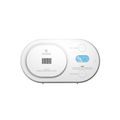
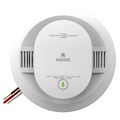
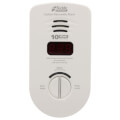
- Hardwired Combination Smoke and CO Alarms: Hardwired combination smoke and CO alarms wire directly into a home's electrical system and include a battery backup so protection continues during a power outage. Electricians and HVAC contractors typically install these units in new construction or during panel upgrades since the units interconnect with other compatible alarms in the same system. The First Alert SC9120B, for example, uses a 9-volt battery backup and includes tamper-resistant locking brackets that keep the unit secured to its mounting plate. Interconnect capability lets one triggered alarm sound every compatible unit in the system, which matters most in multi-story homes and larger commercial spaces.
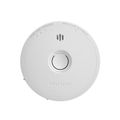
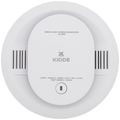
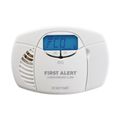
- Plug-In and Battery-Powered CO Alarms: Plug-in and battery-powered CO alarms skip the wiring step entirely, making them a common retrofit option for rental units, older homes, and spaces without accessible electrical boxes. Property managers and maintenance technicians favor these units because installation takes minutes and doesn't require an electrician. The Kidde KN-COU-B, for instance, runs on AA batteries and uses an ultra-sensitive sensor designed to catch low-level CO concentrations. Because these alarms depend entirely on battery power, technicians should log replacement dates during routine maintenance visits.
- Handheld Combustion CO Analyzers: Handheld combustion CO analyzers give HVAC technicians a portable way to check flue gas and ambient CO levels during service calls rather than relying on a fixed alarm. Techs use these meters when commissioning new furnaces, boilers, and water heaters or troubleshooting a combustion complaint. The Fieldpiece SCM4 measures CO for combustion safety checks and ambient monitoring on heating equipment, giving technicians a single tool for both tasks. Readings from these meters help confirm proper venting and combustion efficiency before a technician leaves the job site.
- Wireless CO Detectors: Wireless CO detectors transmit readings to a separate display or monitoring system, which suits facilities that need centralized alarm monitoring across multiple rooms or units. Building maintenance staff often deploy these in apartment complexes, schools, and commercial properties where a single control point simplifies oversight. The UEi Test Instruments COA2 measures carbon monoxide across a range of 0 to 999 ppm and communicates wirelessly to a receiver. Centralized monitoring reduces the number of site visits needed to confirm every detector is functioning.
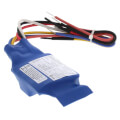
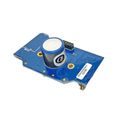
- CO Alarm Relay Modules and Accessories: CO alarm relay modules connect a carbon monoxide alarm to external equipment such as HVAC shutoff controls, remote horns, or building automation systems. Contractors add these modules when a CO event needs to trigger an action beyond a local alarm, like shutting down a gas appliance. The Kidde CO120X relay module activates when a connected CO alarm sounds, sending a signal to whatever equipment it's wired to control. Adding a relay module extends the reach of a single alarm without installing additional detection points.
Buying Guide
Start with the power source, since that decision shapes installation time and long-term maintenance. New construction and panel upgrades call for hardwired units with battery backup, while retrofits in existing buildings usually call for plug-in or battery-powered models that skip rewiring altogether. Next, confirm the alarm meets UL 2034, the standard that governs alarm sensitivity and response thresholds for residential and light commercial carbon monoxide alarms. Interconnect capability matters for any building with multiple alarms, since a triggered unit should sound every compatible alarm on the same circuit rather than leaving occupants to rely on a single audible warning. Selecting Carbon Monoxide Detectors for a service van or test kit is a different exercise entirely: technicians need a handheld combustion analyzer that reads flue gas and ambient CO levels rather than a fixed residential alarm. Facilities with many units spread across a building benefit from wireless detectors that report to a central monitoring point, reducing the number of physical checks required to confirm coverage. Battery-powered units need a maintenance plan since sensors and batteries both have a service life, and a chirping alarm at 2 a.m. is rarely convenient. Whatever the application, match the detector type to the wiring available, the standard required by local code, and whether the reading needs to reach a single occupant or a whole building.
Frequently Asked Questions
How often should a carbon monoxide detector be replaced?
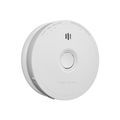
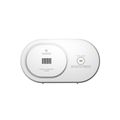
Carbon monoxide detectors carry a limited sensor life, and manufacturers list a replacement or product life date directly on the unit. The Kidde Silhouette CO alarm, for example, has a stated 7-year product life tied to its sealed lithium-ion rechargeable battery backup. Checking the printed date and swapping the unit once it's reached matters more than relying on the test button, since a test only confirms the alarm circuit works, not that the sensor itself still reads accurately.
What's the difference between a hardwired and a battery-powered CO alarm?
Hardwired CO alarms connect to a building's electrical system and include a battery backup for power outages, while battery-powered units run entirely on batteries and skip any wiring. Hardwired models often interconnect with other alarms in the same system so one triggered unit sounds every connected alarm. Battery-powered alarms cost less to install but need regular battery checks since they have no backup power source of their own.
Do carbon monoxide detectors need to meet a specific standard?
Residential and light commercial CO alarms sold in the United States are generally tested to UL 2034, the standard that sets alarm sensitivity and response time requirements. Compliance with UL 2034 means the alarm will sound within specific time windows once carbon monoxide concentrations cross certain thresholds. Checking for UL 2034 listing on the packaging or unit confirms the alarm meets recognized safety requirements before installation.
Which CO detector works best for HVAC service calls?
Handheld combustion CO analyzers, like the Fieldpiece SCM4, give technicians a portable tool for checking flue gas and ambient CO levels during furnace, boiler, and water heater service calls. Fixed residential alarms aren't designed for spot-checking combustion equipment since they're built to monitor one location continuously rather than take readings across multiple appliances. A handheld meter fits better in a service van because it travels between job sites and equipment types.
Can one CO alarm cover an entire building?
A single carbon monoxide alarm typically covers only the room or immediate area where it's installed, so multi-room and multi-story buildings need one alarm per level at minimum, plus units near each sleeping area. Interconnected hardwired alarms solve part of this problem since a triggered unit sounds every compatible alarm on the circuit. Larger facilities often add wireless detectors that report to a central monitoring point so staff can confirm every unit is functioning without checking the entire property in person.
