



Filters
SORT
Product Availability –
Brand –
Product Type –
Series –
Color –
CCT (Kelvin) –
Color Temperature –
Lumens –
Finish –
Glass Finish –
Review Score –
 --%3E %3Csvg version='1.1' id='Fill' xmlns='http://www.w3.org/2000/svg' xmlns:xlink='http://www.w3.org/1999/xlink' x='0px' y='0px' viewBox='0 0 100 100' enable-background='new 0 0 100 100' xml:space='preserve'%3E %3Cpath fill='%23F15C02' d='M79.44,0.95H20.56C9.78,0.95,0.95,9.78,0.95,20.56v58.87c0,10.79,8.82,19.61,19.61,19.61h58.87 c10.79,0,19.61-8.83,19.61-19.61V20.56C99.05,9.78,90.22,0.95,79.44,0.95z M65.38,58.24l9.38,29.58L49.69,69.78L24.5,87.82 l9.34-29.6L8.8,39.6l30.73-0.17c0,0,6.98-19.61,10-28.93c0.54,1.36,9.88,29.1,9.88,29.1H91.2L65.38,58.24z'/%3E %3C/svg%3E)
 --%3E %3Csvg version='1.1' id='With-RB' xmlns='http://www.w3.org/2000/svg' xmlns:xlink='http://www.w3.org/1999/xlink' x='0px' y='0px' viewBox='0 0 100 100' enable-background='new 0 0 100 100' xml:space='preserve'%3E %3Cpath fill='%23FBC8B4' d='M79.44,0.95H20.56C9.78,0.95,0.95,9.78,0.95,20.56v58.87c0,10.79,8.82,19.61,19.61,19.61h58.87 c10.79,0,19.61-8.83,19.61-19.61V20.56C99.05,9.78,90.22,0.95,79.44,0.95z M65.38,58.24l9.38,29.58L49.69,69.78L24.5,87.82 l9.34-29.6L8.8,39.6l30.73-0.17c0,0,6.98-19.61,10-28.93c0.54,1.36,9.88,29.1,9.88,29.1H91.2L65.38,58.24z'/%3E %3C/svg%3E)
Price Range –
Lighting Fixtures

 --%3E %3Csvg version='1.1' id='No-RB' xmlns='http://www.w3.org/2000/svg' xmlns:xlink='http://www.w3.org/1999/xlink' x='0px' y='0px' viewBox='0 0 100 100' enable-background='new 0 0 100 100' xml:space='preserve'%3E %3Cpath fill='%23CECECE' d='M79.44,0.95H20.56C9.78,0.95,0.95,9.78,0.95,20.56v58.87c0,10.79,8.82,19.61,19.61,19.61h58.87 c10.79,0,19.61-8.83,19.61-19.61V20.56C99.05,9.78,90.22,0.95,79.44,0.95z M65.38,58.24l9.38,29.58L49.69,69.78L24.5,87.82 l9.34-29.6L8.8,39.6l30.73-0.17c0,0,6.98-19.61,10-28.93c0.54,1.36,9.88,29.1,9.88,29.1H91.2L65.38,58.24z'/%3E %3C/svg%3E)
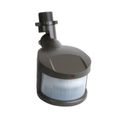
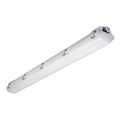
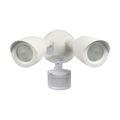
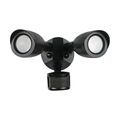
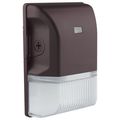
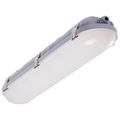
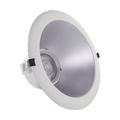
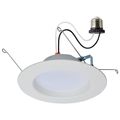
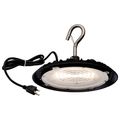
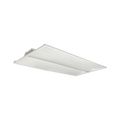

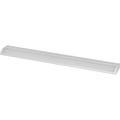
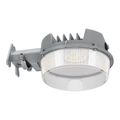
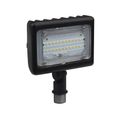
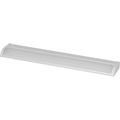

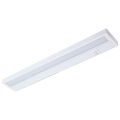
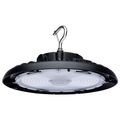
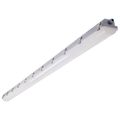
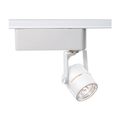
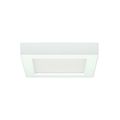
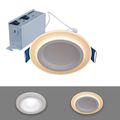
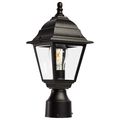
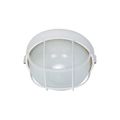
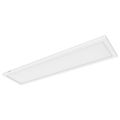
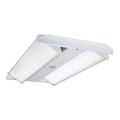
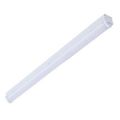
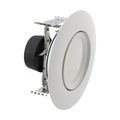
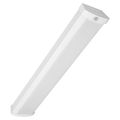
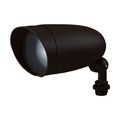
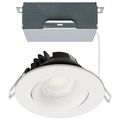
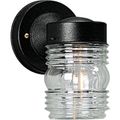
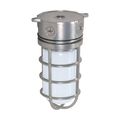
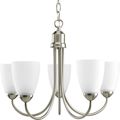
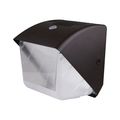
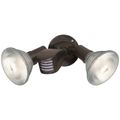
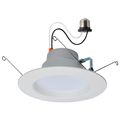
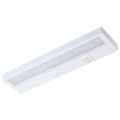
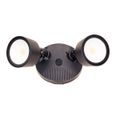
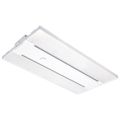
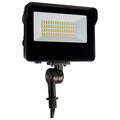
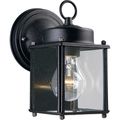
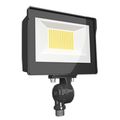
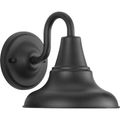

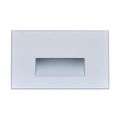
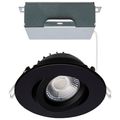
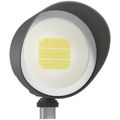

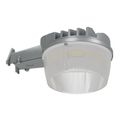
Lighting fixtures cover the full range of ceiling, wall, and utility light housings that electricians and contractors install across residential, commercial, and light-industrial jobs. A fixture is the fixed housing and wiring assembly a bulb or lamp sits in, distinct from the bulb itself, and the category spans everything from a basic utility fixture in a mechanical room to a decorative fixture in a finished living space. Electrical contractors specify fixtures based on the space's function first and its appearance second, since a mechanical room or garage calls for a durable, easy-to-service fixture while a finished room calls for something that matches the surrounding trim and design. Fixture bodies vary by mounting style, the type of lamp base they accept, and whether they are rated for damp or wet locations, all of which narrow down the right choice for a given room. Getting the fixture type matched to the space and its electrical requirements up front avoids a mismatched installation that needs to be corrected later.
Subcategories
- Utility and Shop Fixtures: Utility and shop fixtures are built for basements, garages, mechanical rooms, and workshops where function matters more than appearance. Contractors specify these for spaces that need reliable, even light without a decorative housing. Property owners doing their own basement or garage finishing work also reach for this style because of straightforward mounting. These fixtures are typically the most economical option in the broader category.
- Ceiling and Flush Mount Fixtures: Ceiling and flush mount fixtures sit close against the ceiling surface and serve as general room lighting in bedrooms, hallways, and living spaces. Electricians install these as the primary light source in a room where a pendant or chandelier would hang too low for the ceiling height. Homeowners and remodelers select these based on room size and finish rather than technical specification. This subcategory covers some of the highest-volume residential fixture sales.
- Wet and Damp Location Fixtures: Wet and damp location fixtures are built and rated for bathrooms, covered outdoor porches, and other areas exposed to moisture. Electrical contractors specify a wet-rated fixture for any location fully exposed to rain or direct water contact, and a damp-rated fixture for covered but humid areas like a bathroom or covered patio. Getting this rating right is a code requirement in most jurisdictions, not just a preference. Property managers replacing an existing bathroom or porch fixture need to confirm the same rating applies to the replacement.
- Emergency and Exit Fixtures: Emergency and exit fixtures provide code-required lighting and exit path identification in commercial buildings during a power outage. Facility managers and electrical contractors install these in stairwells, hallways, and near exit doors as part of a building's life-safety system. Commercial property owners are required to test and maintain these units on a regular schedule. This subcategory is driven almost entirely by code compliance rather than aesthetic choice.
Buying Guide
Matching the fixture to its location's moisture exposure is one of the first checks worth making, since a standard indoor fixture installed in a bathroom or covered porch without the correct damp or wet rating can be both a code violation and a safety issue over time.
Mounting style is the next consideration. A room with a low ceiling generally calls for a flush or semi-flush mount rather than a pendant, while a utility space benefits from a simple surface-mount fixture that is easy to service later.
The lamp base and compatible bulb type matter as much as the housing itself. Confirming what type of bulb a fixture accepts, and whether it is compatible with dimming controls already installed in the space, avoids a fixture that looks right but does not function the way the room needs.
For commercial spaces, emergency and exit fixtures fall under code requirements that residential fixtures do not, so confirming local code before finalizing an order for a commercial job matters more than it does for a typical residential fixture purchase.
Anyone sourcing lighting fixtures for a renovation or new construction project across multiple rooms benefits from grouping the order by room type and moisture exposure first, then narrowing by style, since that keeps the electrical requirements straight before appearance becomes the deciding factor.
Frequently Asked Questions
What is the difference between a wet-rated and damp-rated fixture?
A wet-rated fixture is built for locations exposed to direct rain or water contact, while a damp-rated fixture is designed for humid but covered areas such as a bathroom or covered porch. Installing the wrong rating in an exposed location is typically a code violation.
Do emergency and exit fixtures need regular testing?
Yes, commercial property owners are generally required to test and maintain emergency and exit lighting on a regular schedule as part of a building's life-safety compliance.
Can any ceiling fixture be installed in a bathroom?
No, bathrooms require a fixture rated for damp locations at minimum, and fixtures installed near a shower or tub often need a higher rating depending on local code.
What mounting style works best for a low ceiling?
A flush or semi-flush mount fixture sits close to the ceiling surface and is generally the better choice for rooms with lower ceiling heights compared to a hanging pendant.
Are utility fixtures suitable for finished living spaces?
Utility fixtures are built primarily for function in spaces like garages and mechanical rooms. Finished living spaces typically call for a fixture style chosen to match the room's design rather than a basic utility housing.
