




Milwaukee Hand Tools

 --%3E %3Csvg version='1.1' id='No-RB' xmlns='http://www.w3.org/2000/svg' xmlns:xlink='http://www.w3.org/1999/xlink' x='0px' y='0px' viewBox='0 0 100 100' enable-background='new 0 0 100 100' xml:space='preserve'%3E %3Cpath fill='%23CECECE' d='M79.44,0.95H20.56C9.78,0.95,0.95,9.78,0.95,20.56v58.87c0,10.79,8.82,19.61,19.61,19.61h58.87 c10.79,0,19.61-8.83,19.61-19.61V20.56C99.05,9.78,90.22,0.95,79.44,0.95z M65.38,58.24l9.38,29.58L49.69,69.78L24.5,87.82 l9.34-29.6L8.8,39.6l30.73-0.17c0,0,6.98-19.61,10-28.93c0.54,1.36,9.88,29.1,9.88,29.1H91.2L65.38,58.24z'/%3E %3C/svg%3E)
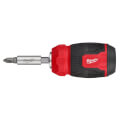
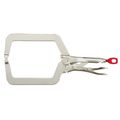

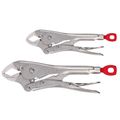
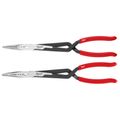

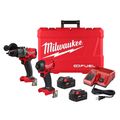

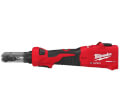
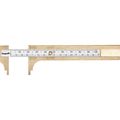
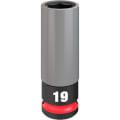
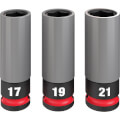
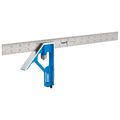
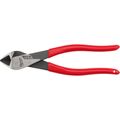
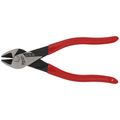
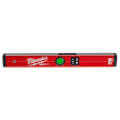
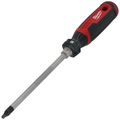
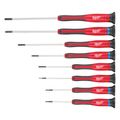
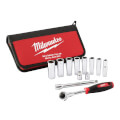
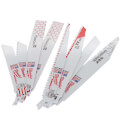
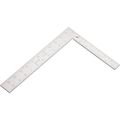
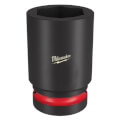
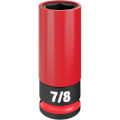
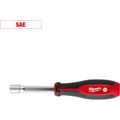
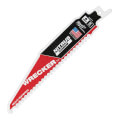
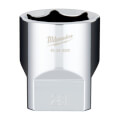
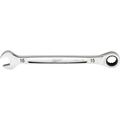
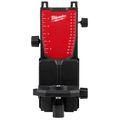
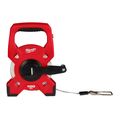
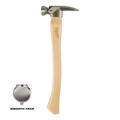
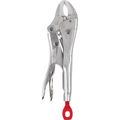


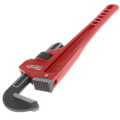
Milwaukee Hand Tools cover the non-powered tools trade professionals use every day, including pliers, screwdrivers, wrenches, cutting tools, and layout equipment. The lineup spans categories like Fastening, which covers screwdrivers, nutdrivers, wrenches, and clamps, and Mechanics Tools, which includes ratchets, sockets, combination wrenches, and torque wrenches. Milwaukee also produces dedicated Cutting, Layout, Marking, Measuring, and Outdoor tool categories, rounding out a full hand tool offering alongside its cordless power tool lines. Electricians, plumbers, and HVAC techs reach for these tools on nearly every job, from stripping wire with a plier to torquing a fitting to spec. Because hand tools see constant daily use and get dropped, twisted, and exposed to jobsite conditions, durability and grip design matter as much as precision. Picking the right hand tool for a trade often comes down to matching the tool's category, whether that's fastening, cutting, or measuring, to the specific task being performed.
Subcategories
- Pliers: Pliers are the gripping, cutting, and crimping tools every trade professional keeps on a belt or in a bag. Milwaukee's pliers lineup includes lineman's pliers, diagonal cutters, long nose pliers, and wire strippers built for electrical and low-voltage work. Electricians use lineman's pliers for twisting and cutting wire, while techs across trades reach for long nose pliers to work in tight spaces. Milwaukee also offers locking and V-jaw pliers for gripping pipe and fasteners on plumbing and mechanical jobs.
- Fastening Tools: Fastening tools cover the screwdrivers, nutdrivers, wrenches, and clamps used to drive and secure fasteners by hand. Milwaukee's Fastening category also includes data communication tools for low-voltage and network installers. HVAC techs and electricians use these tools daily for panel covers, terminal connections, and equipment assembly. Cushion grip handles on Milwaukee's screwdriver line help reduce hand fatigue during repetitive fastening tasks.
- Mechanics Tools: Mechanics Tools include ratchets, sockets, combination wrenches, and torque wrenches built for precise fastener installation. Plumbers and HVAC installers use torque wrenches to bring fittings and flanges to a specified torque value rather than guessing by feel. Ratchets and sockets speed up repetitive fastener work on equipment installs and service calls. Combination wrenches round out the set for fasteners that a socket can't reach.
- Cutting Tools: Cutting tools in Milwaukee's hand tool lineup include saws, pipe cutters, scissors, snips, and utility knives built for jobsite use. Plumbers rely on pipe cutters for clean, square cuts on copper and PEX tubing, while electricians use snips and utility knives for cable jacket and low-voltage work. HVAC techs use aviation-style snips for sheet metal ductwork. Milwaukee's cutting tools cover both dedicated single-purpose cutters and multi-use utility knives.
- Layout and Measuring Tools: Layout and Measuring tools include lasers, levels, squares, chalk reels, and tape measures used to mark and confirm dimensions before cutting or installing. Contractors use these tools to lay out duct runs, pipe routing, and fixture placement before committing to a cut. Milwaukee's measuring lineup spans short tape measures for tight spaces to long tape measures and measuring wheels for larger jobs. Accurate layout ahead of a cut reduces rework and wasted material on a job.
Buying Guide
Trade and task come first when picking a hand tool. Electricians lean toward pliers, wire strippers, and cutting tools built for low-voltage and cable work, while plumbers and HVAC techs reach more often for pipe cutters, torque wrenches, and mechanics tools built for fitting and fastener work.
Frequency of use should guide which tools get the premium features. A tool used on every single job, like a primary set of pliers or a go-to screwdriver, is worth choosing for grip comfort and durability, since that tool absorbs the most wear over a career. Occasional-use tools, like a specialty wrench for one fitting type, matter less for premium features and more for simply having the right size on hand when the job calls for it.
Category coverage matters when building out a truck or tool bag from scratch within Milwaukee Hand Tools. Covering Pliers, Fastening, Mechanics Tools, Cutting, and Layout gives a technician the ability to handle wiring, fastening, fitting torque, cutting, and dimension checks without borrowing tools from a coworker.
Durability under jobsite conditions rounds out the decision. Hand tools get dropped, exposed to moisture, and used in tight, awkward positions, so features like rust protection on pliers and cushioned grips on screwdrivers reduce fatigue and extend the tool's working life on repeated jobs.
Frequently Asked Questions
What pliers does a residential electrician need most?
Lineman's pliers, diagonal cutters, and long nose pliers cover most residential electrical work, from twisting and cutting wire to reaching into tight junction boxes. Milwaukee's pliers lineup includes wire strippers built specifically for electrical work alongside these general-purpose pliers. Rounding out the set with a pair of locking pliers helps with gripping conduit fittings and hardware.
What's the difference between Fastening tools and Mechanics Tools in Milwaukee's lineup?
Fastening tools include screwdrivers, nutdrivers, wrenches, and clamps used to drive and secure fasteners by hand. Mechanics Tools cover ratchets, sockets, combination wrenches, and torque wrenches built for more precise or higher-torque fastener work. A plumber tightening a flange to a specific torque value reaches for a Mechanics Tool, while a tech securing a panel cover reaches for a Fastening tool.
Which cutting tool works best for PEX and copper tubing?
Dedicated pipe cutters in Milwaukee's Cutting category deliver a clean, square cut on both PEX and copper tubing. Utility knives and scissors in the same category handle softer materials like insulation and cable jacketing. Choosing a pipe-specific cutter over a general utility knife keeps tubing ends square for solder or push-fit connections.
What layout tools help before starting a ductwork or piping installation?
Levels, squares, chalk reels, and lasers in Milwaukee's Layout category help mark accurate lines before cutting duct or running pipe. Tape measures and measuring wheels confirm dimensions across both short and long runs. Taking time to lay out a run accurately before cutting reduces wasted material and rework later in the job.
How does grip design affect which hand tool to pick for daily use?
Cushion grip handles on frequently used tools like screwdrivers and pliers reduce hand fatigue across a full workday of repetitive tasks. Tools used on nearly every job, such as a primary plier or driver, benefit most from ergonomic grip features since they see the most repeated use. Specialty tools used less often matter less for grip comfort and more for having the correct size and configuration available.
