



Filters
SORT
Product Availability –
Ignition Type –
Inlet Size –
Outlet Size –
Review Score –
 --%3E %3Csvg version='1.1' id='Fill' xmlns='http://www.w3.org/2000/svg' xmlns:xlink='http://www.w3.org/1999/xlink' x='0px' y='0px' viewBox='0 0 100 100' enable-background='new 0 0 100 100' xml:space='preserve'%3E %3Cpath fill='%23F15C02' d='M79.44,0.95H20.56C9.78,0.95,0.95,9.78,0.95,20.56v58.87c0,10.79,8.82,19.61,19.61,19.61h58.87 c10.79,0,19.61-8.83,19.61-19.61V20.56C99.05,9.78,90.22,0.95,79.44,0.95z M65.38,58.24l9.38,29.58L49.69,69.78L24.5,87.82 l9.34-29.6L8.8,39.6l30.73-0.17c0,0,6.98-19.61,10-28.93c0.54,1.36,9.88,29.1,9.88,29.1H91.2L65.38,58.24z'/%3E %3C/svg%3E)
 --%3E %3Csvg version='1.1' id='With-RB' xmlns='http://www.w3.org/2000/svg' xmlns:xlink='http://www.w3.org/1999/xlink' x='0px' y='0px' viewBox='0 0 100 100' enable-background='new 0 0 100 100' xml:space='preserve'%3E %3Cpath fill='%23FBC8B4' d='M79.44,0.95H20.56C9.78,0.95,0.95,9.78,0.95,20.56v58.87c0,10.79,8.82,19.61,19.61,19.61h58.87 c10.79,0,19.61-8.83,19.61-19.61V20.56C99.05,9.78,90.22,0.95,79.44,0.95z M65.38,58.24l9.38,29.58L49.69,69.78L24.5,87.82 l9.34-29.6L8.8,39.6l30.73-0.17c0,0,6.98-19.61,10-28.93c0.54,1.36,9.88,29.1,9.88,29.1H91.2L65.38,58.24z'/%3E %3C/svg%3E)
Price Range –
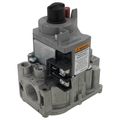
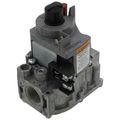
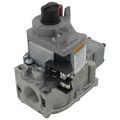
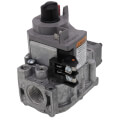
Resideo VR8300/8304/8305/8345 Gas Controls


 --%3E %3Csvg version='1.1' id='Half' xmlns='http://www.w3.org/2000/svg' xmlns:xlink='http://www.w3.org/1999/xlink' x='0px' y='0px' viewBox='0 0 100 100' enable-background='new 0 0 100 100' xml:space='preserve'%3E %3Cg%3E %3Cpath fill='%23F15C02' d='M30.05,70.23l3.79-12.01L8.8,39.6l30.73-0.17c0,0,6.98-19.61,10-28.93c0.54,1.36,9.88,29.1,9.88,29.1h1.58 L93.71,7.18c-3.58-3.82-8.66-6.23-14.28-6.23H20.56C9.78,0.95,0.95,9.78,0.95,20.56v58.87c0,5.41,2.22,10.32,5.79,13.88 L30.05,70.23z'/%3E %3C/g%3E %3Cpath fill='%23FBC8B4' d='M93.71,7.18L60.98,39.6H91.2L65.38,58.24l9.38,29.58L49.69,69.78L24.5,87.82l5.55-17.59L6.75,93.32 c3.55,3.54,8.44,5.73,13.82,5.73h58.87c10.79,0,19.61-8.83,19.61-19.61V20.56C99.05,15.4,97.01,10.69,93.71,7.18z'/%3E %3C/svg%3E)
 --%3E %3Csvg version='1.1' id='No-RB' xmlns='http://www.w3.org/2000/svg' xmlns:xlink='http://www.w3.org/1999/xlink' x='0px' y='0px' viewBox='0 0 100 100' enable-background='new 0 0 100 100' xml:space='preserve'%3E %3Cpath fill='%23CECECE' d='M79.44,0.95H20.56C9.78,0.95,0.95,9.78,0.95,20.56v58.87c0,10.79,8.82,19.61,19.61,19.61h58.87 c10.79,0,19.61-8.83,19.61-19.61V20.56C99.05,9.78,90.22,0.95,79.44,0.95z M65.38,58.24l9.38,29.58L49.69,69.78L24.5,87.82 l9.34-29.6L8.8,39.6l30.73-0.17c0,0,6.98-19.61,10-28.93c0.54,1.36,9.88,29.1,9.88,29.1H91.2L65.38,58.24z'/%3E %3C/svg%3E)
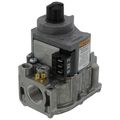
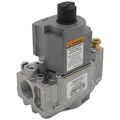
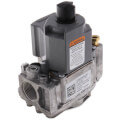
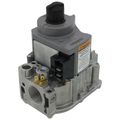
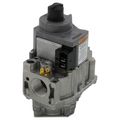
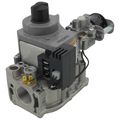
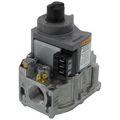
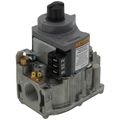
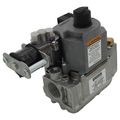
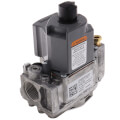
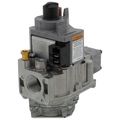
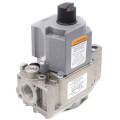
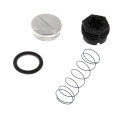
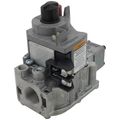
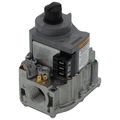
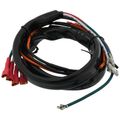
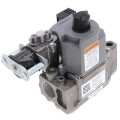

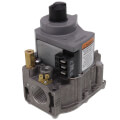
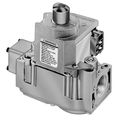
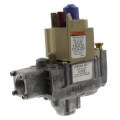
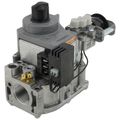

Resideo VR8300/8304/8305/8345 gas controls are combination valves that regulate gas flow, pilot operation, and safety shutoff on residential and light commercial gas-fired appliances such as water heaters, furnaces, and unit heaters. Each valve houses a pressure regulator, a safety shutoff mechanism, and a thermocouple or thermopile connection in one body, cutting down on the number of separate parts a technician has to track down mid-repair. Plumbers and HVAC techs turn to this series when an appliance won't hold pilot, when gas pressure drifts out of spec, or when an aging valve seat starts to leak. Because a gas control sits directly in the fuel supply line, matching the exact model number to the appliance manufacturer's approved parts list matters more here than with most other components. Keeping a range of VR8300 series variants on hand supports faster same-visit repairs on the water heaters and furnaces that depend on them.
Subcategories
- Water Heater Gas Controls: Gas water heaters rely on a combination control to regulate burner gas pressure and shut off fuel flow if the pilot or thermocouple signal drops out. Plumbers stock these controls for tank-style residential water heaters where a worn valve seat or a weak thermocouple connection causes intermittent pilot outages. Replacement timing typically follows the appliance manufacturer's approved parts list rather than a universal fit. A correctly matched control restores standing pilot operation without replacing the entire water heater.
- Furnace and Unit Heater Gas Controls: Gas furnaces and unit heaters use a similar combination valve to manage burner ignition sequencing and regulate manifold pressure. HVAC technicians replace these controls when a furnace fails to light consistently or when the built-in regulator can no longer hold a steady pressure setting. Some models in the series pair with intermittent or direct spark ignition systems rather than a standing pilot. Confirming the ignition type on the existing appliance before ordering a replacement avoids a mismatch.
- Pilot Assemblies and Thermocouples: A pilot assembly and thermocouple pair works alongside the main gas control to sense flame presence and hold the safety valve open. Contractors replace these components separately from the full gas control when the valve body still tests within spec but the flame sensing circuit has weakened. A worn thermocouple is one of the more common causes of a pilot that lights but won't stay lit. Swapping just the pilot assembly is often the simpler repair path before condemning the whole control.
- Regulator and Valve Repair Kits: Repair kits built for the VR8300 series let a technician replace the regulator spring, valve seat, or seal components without swapping the entire gas control body. These kits suit techs who service a high volume of the same appliance line and want to limit the scope of each repair. Kits are matched to the specific valve model since internal components vary across the 8300, 8304, 8305, and 8345 lines. Confirming the exact valve stamped on the appliance before ordering prevents a wasted trip.
Buying Guide
Choosing the right gas control starts with matching the exact model stamped on the existing valve rather than guessing from the appliance brand alone. Resideo VR8300/8304/8305/8345 gas controls cover a range of ignition types and regulator configurations, so the same water heater or furnace model can call for different valves depending on the production year. Technicians pull the valve's model and date code directly from the housing before ordering a replacement, since a similar-looking valve with a different port size or pressure rating won't seat correctly in the gas train.
Ignition type is the next filter: a standing pilot appliance needs a control built for continuous pilot operation, while an appliance with electronic ignition needs a valve wired for that sequence instead. Inlet and outlet pipe size also has to match the existing gas line fittings, since an adapter at the valve connection is rarely a code-compliant fix. For appliances still under a manufacturer part restriction, only an approved replacement control keeps the appliance's safety certification intact. Contractors who service a mix of residential water heaters and furnaces often keep the two or three most common variants on the truck rather than the full lineup, since call patterns in most territories cluster around a handful of appliance models. Confirming pilot type, port size, and manufacturer approval before the truck rolls cuts down on return visits for a mismatched part.
Frequently Asked Questions
How do I know which VR8300 series valve my water heater needs?
Check the model number and date code stamped directly on the gas control housing rather than relying on the water heater's brand name alone. Manufacturers often used different valves across production runs for the same appliance model. Cross-referencing that stamped number against the appliance's parts diagram confirms the exact match before ordering.
What's the difference between the VR8300 and VR8304 families?
The two model families are built for different ignition sequences, so they aren't interchangeable without confirming the appliance's ignition type first. A standing pilot appliance calls for a different valve configuration than one with intermittent or direct spark ignition. Checking the appliance manufacturer's parts list settles which family applies before a replacement is ordered.
Why won't my furnace hold a pilot light even after replacing the thermocouple?
A pilot that lights but won't hold often points to the safety valve inside the gas control rather than the thermocouple itself. Once the thermocouple has been swapped and the problem persists, the valve's hold-in mechanism is the next likely failure point. Testing millivolt output at the thermocouple connection helps confirm whether the valve or the sensor is at fault.
Can a universal gas control replace the exact Resideo model?
A universal replacement works on some appliances but not on models where the manufacturer restricts parts to maintain a safety certification. Checking the appliance's service documentation confirms whether an approved substitute exists. Sticking with the specified valve avoids voiding the appliance's certification or warranty coverage.
What causes a gas control valve to fail before its expected lifespan?
Corrosion inside the valve body, a weak thermocouple signal, or sediment in the gas line are common causes of early failure. Appliances installed in damp basements or exposed to condensate drainage see valve corrosion more often than those in dry mechanical rooms. Regular combustion inspections catch a failing regulator before it leads to a no-heat or no-hot-water call.
