




Filters
SORT
Product Availability –
Brand –
Shutoff Head (ft.) –
Flow Rate (GPM) –
Horse Power –
Voltage –
Stages –
Review Score –
 --%3E %3Csvg version='1.1' id='Fill' xmlns='http://www.w3.org/2000/svg' xmlns:xlink='http://www.w3.org/1999/xlink' x='0px' y='0px' viewBox='0 0 100 100' enable-background='new 0 0 100 100' xml:space='preserve'%3E %3Cpath fill='%23F15C02' d='M79.44,0.95H20.56C9.78,0.95,0.95,9.78,0.95,20.56v58.87c0,10.79,8.82,19.61,19.61,19.61h58.87 c10.79,0,19.61-8.83,19.61-19.61V20.56C99.05,9.78,90.22,0.95,79.44,0.95z M65.38,58.24l9.38,29.58L49.69,69.78L24.5,87.82 l9.34-29.6L8.8,39.6l30.73-0.17c0,0,6.98-19.61,10-28.93c0.54,1.36,9.88,29.1,9.88,29.1H91.2L65.38,58.24z'/%3E %3C/svg%3E)
 --%3E %3Csvg version='1.1' id='With-RB' xmlns='http://www.w3.org/2000/svg' xmlns:xlink='http://www.w3.org/1999/xlink' x='0px' y='0px' viewBox='0 0 100 100' enable-background='new 0 0 100 100' xml:space='preserve'%3E %3Cpath fill='%23FBC8B4' d='M79.44,0.95H20.56C9.78,0.95,0.95,9.78,0.95,20.56v58.87c0,10.79,8.82,19.61,19.61,19.61h58.87 c10.79,0,19.61-8.83,19.61-19.61V20.56C99.05,9.78,90.22,0.95,79.44,0.95z M65.38,58.24l9.38,29.58L49.69,69.78L24.5,87.82 l9.34-29.6L8.8,39.6l30.73-0.17c0,0,6.98-19.61,10-28.93c0.54,1.36,9.88,29.1,9.88,29.1H91.2L65.38,58.24z'/%3E %3C/svg%3E)
Price Range –
Deep Well Pumps


 --%3E %3Csvg version='1.1' id='No-RB' xmlns='http://www.w3.org/2000/svg' xmlns:xlink='http://www.w3.org/1999/xlink' x='0px' y='0px' viewBox='0 0 100 100' enable-background='new 0 0 100 100' xml:space='preserve'%3E %3Cpath fill='%23CECECE' d='M79.44,0.95H20.56C9.78,0.95,0.95,9.78,0.95,20.56v58.87c0,10.79,8.82,19.61,19.61,19.61h58.87 c10.79,0,19.61-8.83,19.61-19.61V20.56C99.05,9.78,90.22,0.95,79.44,0.95z M65.38,58.24l9.38,29.58L49.69,69.78L24.5,87.82 l9.34-29.6L8.8,39.6l30.73-0.17c0,0,6.98-19.61,10-28.93c0.54,1.36,9.88,29.1,9.88,29.1H91.2L65.38,58.24z'/%3E %3C/svg%3E)
 --%3E %3Csvg version='1.1' id='Half' xmlns='http://www.w3.org/2000/svg' xmlns:xlink='http://www.w3.org/1999/xlink' x='0px' y='0px' viewBox='0 0 100 100' enable-background='new 0 0 100 100' xml:space='preserve'%3E %3Cg%3E %3Cpath fill='%23F15C02' d='M30.05,70.23l3.79-12.01L8.8,39.6l30.73-0.17c0,0,6.98-19.61,10-28.93c0.54,1.36,9.88,29.1,9.88,29.1h1.58 L93.71,7.18c-3.58-3.82-8.66-6.23-14.28-6.23H20.56C9.78,0.95,0.95,9.78,0.95,20.56v58.87c0,5.41,2.22,10.32,5.79,13.88 L30.05,70.23z'/%3E %3C/g%3E %3Cpath fill='%23FBC8B4' d='M93.71,7.18L60.98,39.6H91.2L65.38,58.24l9.38,29.58L49.69,69.78L24.5,87.82l5.55-17.59L6.75,93.32 c3.55,3.54,8.44,5.73,13.82,5.73h58.87c10.79,0,19.61-8.83,19.61-19.61V20.56C99.05,15.4,97.01,10.69,93.71,7.18z'/%3E %3C/svg%3E)

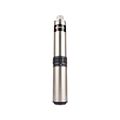
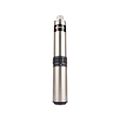
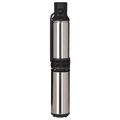
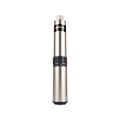

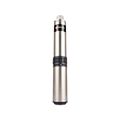
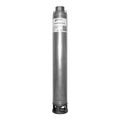


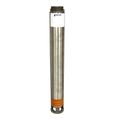
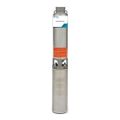


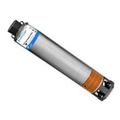
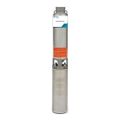
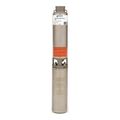
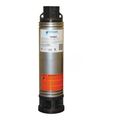
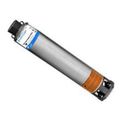
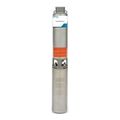
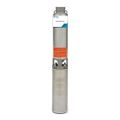


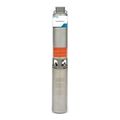

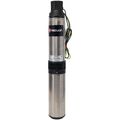
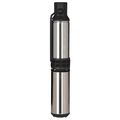
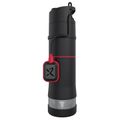
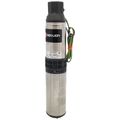
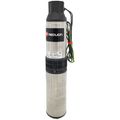
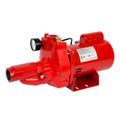
Deep well pumps draw water from wells too deep for a jet pump to lift efficiently, typically using a submersible design lowered directly into the well casing near the water table. Well contractors and pump installers specify them for private residential wells, agricultural water supply, and rural properties where municipal water isn't available. Because the motor and pump assembly operate fully submerged, the design has to handle both the mechanical work of lifting water and long-term exposure to well water conditions.
Selecting the right deep well pump depends heavily on well depth, casing diameter, and the household or property's peak water demand, since an undersized pump will struggle to keep up during high-demand periods and an oversized one wastes energy and can short-cycle. Pump replacement is a common service call once an older unit's output starts declining or fails outright, and matching the replacement to the well's actual conditions is more important than matching it to the pump being replaced.
Subcategories
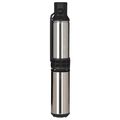
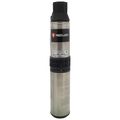
- Submersible Deep Well Pumps: Submersible pumps sit fully underwater in the well casing, pushing water up to the surface rather than pulling it, which makes them effective at greater depths than surface-mounted alternatives. Well contractors favor these for most modern deep well installations because the submerged motor design handles depth better than jet pumps. Casing diameter has to be confirmed before ordering since the pump body needs clearance to lower into the well. Wiring and control box sizing also need to match the specific motor's electrical requirements.
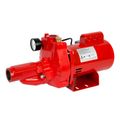
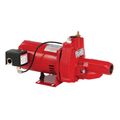
- Deep Well Jet Pumps: Deep well jet pumps stay above ground but use a jet assembly lowered into the well to help lift water from moderate depths beyond what a shallow well pump can handle. Installers choose these when well depth falls in a middle range that doesn't require a full submersible setup, or when above-ground service access is a priority. Because the motor stays accessible at the surface, routine maintenance is generally simpler than on a submersible unit. Correct jet and venturi sizing for the specific depth is essential for reliable performance.
- Pump Control Boxes and Accessories: Control boxes house the starting components that submersible motors need and are typically replaced alongside or ahead of the pump itself when a well system underperforms. Well service technicians check the control box early in diagnosing a weak or non-functioning pump, since a failed capacitor or relay in the box can mimic pump failure. Matching the control box to the pump's specific horsepower and motor type is required for proper operation. Pressure switches, tanks, and wiring accessories in this group round out a full well pump installation.
Buying Guide
Sizing a deep well pump starts with knowing the well's actual depth to the water table and the casing diameter, since both determine which pump styles will even fit and function correctly. A submersible pump needs enough clearance to lower into the casing, and its lift capability needs to match or exceed the distance water has to travel to reach the surface.
Household or property water demand is the next factor. A pump sized only for the well's yield without accounting for peak simultaneous use, such as several fixtures running at once, will leave a system struggling during normal daily use. Contractors typically size for peak demand rather than average use to avoid this.
Electrical requirements deserve attention before ordering a replacement deep well pump, since motor horsepower and voltage need to match both the well's demands and the property's existing electrical service. A control box mismatched to the pump's motor type is a common cause of new-pump failures that get mistakenly blamed on the pump itself.
For borderline-depth wells, comparing a submersible option against a deep well jet pump is worth the time, since jet pumps offer easier surface access for maintenance while submersibles generally perform better as depth increases.
Frequently Asked Questions
How do I know if a well needs a submersible pump or a jet pump?
Well depth is the main deciding factor. Deeper wells generally call for a submersible pump because of its stronger lift capability, while moderate-depth wells can often be served by a deep well jet pump that stays accessible above ground.
What are the signs that a deep well pump is failing?
Declining water pressure, a pump that cycles on and off more frequently than usual, or a complete loss of water supply are the most common signs. A failing control box can produce similar symptoms, so both should be checked during diagnosis.
Can a deep well pump be replaced without pulling the entire well casing?
The pump and its drop pipe are removed from the casing for replacement, but the casing itself stays in place. The well doesn't need to be redrilled or the casing replaced just to swap the pump.
Why does a new pump need a specific control box rather than any available one?
The control box has to match the pump motor's horsepower and starting requirements exactly. A mismatched control box can prevent the pump from starting correctly or cause premature motor failure.
How is peak water demand different from average daily use when sizing a pump?
Peak demand accounts for multiple fixtures or appliances drawing water at the same time, such as a shower running while a washing machine fills. Sizing only for average daily use can leave a system unable to keep up during those simultaneous-use moments.
