




Filters
SORT
Product Availability –
Product Type –
RPM –
Voltage –
Review Score –
 --%3E %3Csvg version='1.1' id='Fill' xmlns='http://www.w3.org/2000/svg' xmlns:xlink='http://www.w3.org/1999/xlink' x='0px' y='0px' viewBox='0 0 100 100' enable-background='new 0 0 100 100' xml:space='preserve'%3E %3Cpath fill='%23F15C02' d='M79.44,0.95H20.56C9.78,0.95,0.95,9.78,0.95,20.56v58.87c0,10.79,8.82,19.61,19.61,19.61h58.87 c10.79,0,19.61-8.83,19.61-19.61V20.56C99.05,9.78,90.22,0.95,79.44,0.95z M65.38,58.24l9.38,29.58L49.69,69.78L24.5,87.82 l9.34-29.6L8.8,39.6l30.73-0.17c0,0,6.98-19.61,10-28.93c0.54,1.36,9.88,29.1,9.88,29.1H91.2L65.38,58.24z'/%3E %3C/svg%3E)
 --%3E %3Csvg version='1.1' id='With-RB' xmlns='http://www.w3.org/2000/svg' xmlns:xlink='http://www.w3.org/1999/xlink' x='0px' y='0px' viewBox='0 0 100 100' enable-background='new 0 0 100 100' xml:space='preserve'%3E %3Cpath fill='%23FBC8B4' d='M79.44,0.95H20.56C9.78,0.95,0.95,9.78,0.95,20.56v58.87c0,10.79,8.82,19.61,19.61,19.61h58.87 c10.79,0,19.61-8.83,19.61-19.61V20.56C99.05,9.78,90.22,0.95,79.44,0.95z M65.38,58.24l9.38,29.58L49.69,69.78L24.5,87.82 l9.34-29.6L8.8,39.6l30.73-0.17c0,0,6.98-19.61,10-28.93c0.54,1.36,9.88,29.1,9.88,29.1H91.2L65.38,58.24z'/%3E %3C/svg%3E)
Price Range –
S&P


 --%3E %3Csvg version='1.1' id='Half' xmlns='http://www.w3.org/2000/svg' xmlns:xlink='http://www.w3.org/1999/xlink' x='0px' y='0px' viewBox='0 0 100 100' enable-background='new 0 0 100 100' xml:space='preserve'%3E %3Cg%3E %3Cpath fill='%23F15C02' d='M30.05,70.23l3.79-12.01L8.8,39.6l30.73-0.17c0,0,6.98-19.61,10-28.93c0.54,1.36,9.88,29.1,9.88,29.1h1.58 L93.71,7.18c-3.58-3.82-8.66-6.23-14.28-6.23H20.56C9.78,0.95,0.95,9.78,0.95,20.56v58.87c0,5.41,2.22,10.32,5.79,13.88 L30.05,70.23z'/%3E %3C/g%3E %3Cpath fill='%23FBC8B4' d='M93.71,7.18L60.98,39.6H91.2L65.38,58.24l9.38,29.58L49.69,69.78L24.5,87.82l5.55-17.59L6.75,93.32 c3.55,3.54,8.44,5.73,13.82,5.73h58.87c10.79,0,19.61-8.83,19.61-19.61V20.56C99.05,15.4,97.01,10.69,93.71,7.18z'/%3E %3C/svg%3E)






 --%3E %3Csvg version='1.1' id='No-RB' xmlns='http://www.w3.org/2000/svg' xmlns:xlink='http://www.w3.org/1999/xlink' x='0px' y='0px' viewBox='0 0 100 100' enable-background='new 0 0 100 100' xml:space='preserve'%3E %3Cpath fill='%23CECECE' d='M79.44,0.95H20.56C9.78,0.95,0.95,9.78,0.95,20.56v58.87c0,10.79,8.82,19.61,19.61,19.61h58.87 c10.79,0,19.61-8.83,19.61-19.61V20.56C99.05,9.78,90.22,0.95,79.44,0.95z M65.38,58.24l9.38,29.58L49.69,69.78L24.5,87.82 l9.34-29.6L8.8,39.6l30.73-0.17c0,0,6.98-19.61,10-28.93c0.54,1.36,9.88,29.1,9.88,29.1H91.2L65.38,58.24z'/%3E %3C/svg%3E)


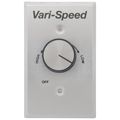


S&P, also known as Soler & Palau, has manufactured ventilation fans in Jacksonville, Florida since 1959. The brand operated for years as Stanley Fans before adopting the S&P name under its parent company, Soler & Palau Ventilation Group. It added centrifugal upblast and downblast fan technology in 1991 when it acquired Breidert Air Products.
S&P now supplies ventilation equipment for commercial and residential markets, with Jacksonville continuing to serve as its US manufacturing base. Fans across the lineup carry certifications from AHRI, HVI, UL, and ETL, depending on the model and application.
Product Lines
S&P's SupplyHouse catalog centers on ventilation equipment for both commercial and residential installations.
Commercial lines include centrifugal roof and wall fans, inline fans, energy recovery ventilators, jet fans, and utility fans built for continuous-duty airflow.
Residential lines cover ceiling exhaust fans, sidewall duct fans, and compact energy recovery ventilators, including the TReN series paired with the ERVC+ controller.
Accessories round out the catalog: dampers, duct components, filters, grilles, and louvers that complete a full ventilation installation.
The Premium Choice PCD series adds ceiling mount and inline fan models built for straightforward field installation.
Why Contractors Specify S&P
Contractors specify S&P when a ventilation job calls for equipment carrying AHRI, HVI, UL, or ETL certification. That documentation simplifies code inspections on commercial and residential jobs.
The brand's Quickship program on select commercial fans cuts down the wait between order and delivery, which matters on jobs where a mechanical room can't sit incomplete.
S&P has built fans in Jacksonville since 1959, so the brand has a long manufacturing history in ventilation equipment.
How to Choose S&P Products
Start with airflow requirements. Commercial spaces with continuous exhaust needs typically call for centrifugal roof or wall fans. A bathroom or utility room retrofit is a better fit for a compact ceiling exhaust fan.
Match the certification requirements of the job to the product line. Commercial installations that need AHRI-rated performance data should draw from S&P's commercial fan series. Residential models may carry HVI or UL/ETL listings, depending on the model.
For energy recovery, the TReN series pairs a residential ERV with the ERVC+ controller, giving a straightforward option where ventilation code requires balanced fresh-air exchange.
Where fast turnaround matters, check whether a specific commercial fan model is part of the Quickship program. This can avoid committing to a model with a longer lead time.
Rounding out the order with matching accessories (dampers, ducts, filters, grilles, and louvers) helps the installation meet airflow and code requirements without a second parts order.
Frequently Asked Questions
What ventilation certifications do S&P fans carry?
Most S&P fans carry certification from AHRI, HVI, UL, or ETL, depending on the model and whether it's built for commercial or residential use.
Is S&P the same company as Soler & Palau?
Yes. S&P is the brand name used by Soler & Palau Ventilation Group, and its US manufacturing base is in Jacksonville, Florida.
What's the difference between S&P's commercial and residential fan lines?
Commercial lines include centrifugal roof and wall fans, inline fans, and utility fans built for continuous-duty airflow. Residential lines focus on ceiling exhaust fans, sidewall duct fans, and compact energy recovery ventilators like the TReN series.
What is the ERVC+ controller used for?
The ERVC+ controller pairs with S&P's TReN residential energy recovery ventilator series to manage balanced fresh-air exchange in a home.
How can a contractor get a commercial S&P fan faster?
Checking whether a commercial fan model is enrolled in S&P's Quickship program can shorten the wait between order and delivery on time-sensitive jobs.
