




Valve Boxes

 --%3E %3Csvg version='1.1' id='Fill' xmlns='http://www.w3.org/2000/svg' xmlns:xlink='http://www.w3.org/1999/xlink' x='0px' y='0px' viewBox='0 0 100 100' enable-background='new 0 0 100 100' xml:space='preserve'%3E %3Cpath fill='%23F15C02' d='M79.44,0.95H20.56C9.78,0.95,0.95,9.78,0.95,20.56v58.87c0,10.79,8.82,19.61,19.61,19.61h58.87 c10.79,0,19.61-8.83,19.61-19.61V20.56C99.05,9.78,90.22,0.95,79.44,0.95z M65.38,58.24l9.38,29.58L49.69,69.78L24.5,87.82 l9.34-29.6L8.8,39.6l30.73-0.17c0,0,6.98-19.61,10-28.93c0.54,1.36,9.88,29.1,9.88,29.1H91.2L65.38,58.24z'/%3E %3C/svg%3E)

 --%3E %3Csvg version='1.1' id='Half' xmlns='http://www.w3.org/2000/svg' xmlns:xlink='http://www.w3.org/1999/xlink' x='0px' y='0px' viewBox='0 0 100 100' enable-background='new 0 0 100 100' xml:space='preserve'%3E %3Cg%3E %3Cpath fill='%23F15C02' d='M30.05,70.23l3.79-12.01L8.8,39.6l30.73-0.17c0,0,6.98-19.61,10-28.93c0.54,1.36,9.88,29.1,9.88,29.1h1.58 L93.71,7.18c-3.58-3.82-8.66-6.23-14.28-6.23H20.56C9.78,0.95,0.95,9.78,0.95,20.56v58.87c0,5.41,2.22,10.32,5.79,13.88 L30.05,70.23z'/%3E %3C/g%3E %3Cpath fill='%23FBC8B4' d='M93.71,7.18L60.98,39.6H91.2L65.38,58.24l9.38,29.58L49.69,69.78L24.5,87.82l5.55-17.59L6.75,93.32 c3.55,3.54,8.44,5.73,13.82,5.73h58.87c10.79,0,19.61-8.83,19.61-19.61V20.56C99.05,15.4,97.01,10.69,93.71,7.18z'/%3E %3C/svg%3E)

 --%3E %3Csvg version='1.1' id='No-RB' xmlns='http://www.w3.org/2000/svg' xmlns:xlink='http://www.w3.org/1999/xlink' x='0px' y='0px' viewBox='0 0 100 100' enable-background='new 0 0 100 100' xml:space='preserve'%3E %3Cpath fill='%23CECECE' d='M79.44,0.95H20.56C9.78,0.95,0.95,9.78,0.95,20.56v58.87c0,10.79,8.82,19.61,19.61,19.61h58.87 c10.79,0,19.61-8.83,19.61-19.61V20.56C99.05,9.78,90.22,0.95,79.44,0.95z M65.38,58.24l9.38,29.58L49.69,69.78L24.5,87.82 l9.34-29.6L8.8,39.6l30.73-0.17c0,0,6.98-19.61,10-28.93c0.54,1.36,9.88,29.1,9.88,29.1H91.2L65.38,58.24z'/%3E %3C/svg%3E)
 --%3E %3Csvg version='1.1' id='With-RB' xmlns='http://www.w3.org/2000/svg' xmlns:xlink='http://www.w3.org/1999/xlink' x='0px' y='0px' viewBox='0 0 100 100' enable-background='new 0 0 100 100' xml:space='preserve'%3E %3Cpath fill='%23FBC8B4' d='M79.44,0.95H20.56C9.78,0.95,0.95,9.78,0.95,20.56v58.87c0,10.79,8.82,19.61,19.61,19.61h58.87 c10.79,0,19.61-8.83,19.61-19.61V20.56C99.05,9.78,90.22,0.95,79.44,0.95z M65.38,58.24l9.38,29.58L49.69,69.78L24.5,87.82 l9.34-29.6L8.8,39.6l30.73-0.17c0,0,6.98-19.61,10-28.93c0.54,1.36,9.88,29.1,9.88,29.1H91.2L65.38,58.24z'/%3E %3C/svg%3E)
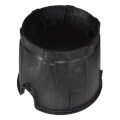
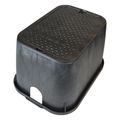
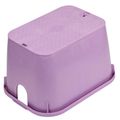
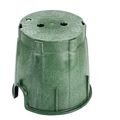
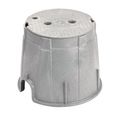
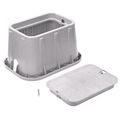
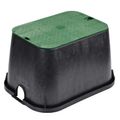

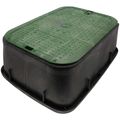
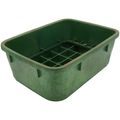
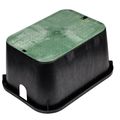
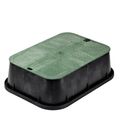
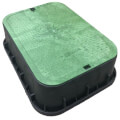
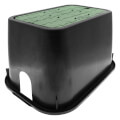
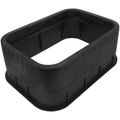
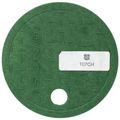
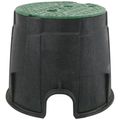
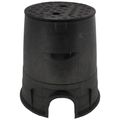
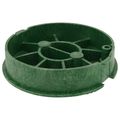
Valve boxes are underground enclosures that house irrigation valves, water shutoffs, or drainage fittings below grade while keeping them accessible for service. Landscapers and irrigation contractors install one at each valve manifold or shutoff location so a technician can lift the lid and reach the valve without digging up the yard every time it needs adjustment or repair. Most boxes come in a rectangular or round body with a separate lid, and many include slots or knockouts along the sides to route drip tubing or wiring in and out of the box. Choosing the right box protects the valve and its wiring from soil contact and lawn equipment while making routine service fast enough that a callback doesn't turn into an excavation.
Subcategories
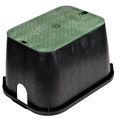
- Standard Rectangular Valve Boxes: These cover a single valve or a small cluster at a typical residential or light commercial irrigation zone. Irrigation contractors use them as the default choice for most zone valve installations. The rectangular shape gives more working room for a technician's hands and tools than a round box of similar depth.
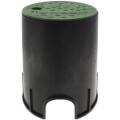
- Extension and Tapered Valve Boxes: These add depth to a standard box or taper to fit a deeper valve assembly, which contractors need when local frost depth or existing grade puts the valve lower than a standard box can reach. Tapered sides make backfilling and compaction around the box easier than a straight-walled extension. This style is common on new-construction jobs where finished grade isn't set yet.
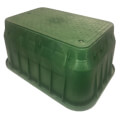
- Jumbo and Multi-Valve Boxes: Larger boxes accommodate a full manifold of several valves feeding multiple irrigation zones from one location. Contractors use these at the point where the mainline splits into zone lines, since servicing multiple valves through one large box beats digging separate holes for each. The larger footprint also gives more room for wire connections and unions at the manifold.
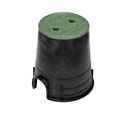
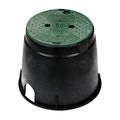
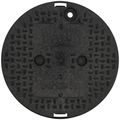
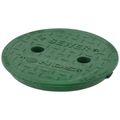
- Round Valve Boxes: Round boxes typically cover a single shutoff valve, meter, or small fitting rather than a full zone valve assembly. Plumbers and irrigation techs use them where only one component needs access, since the smaller footprint disturbs less turf during installation. They're also common over backflow test cocks and other single-point access needs.
Buying Guide
Start with how many valves or fittings the box needs to cover. A single zone valve fits a standard rectangular or round box, while a manifold with several valves calls for a jumbo box sized to give a technician room to work on any valve without removing the others.
Check the depth against how deep the valve actually sits. If existing grade or local frost depth puts the valve lower than a standard box reaches, an extension or tapered box adds the depth needed without leaving the lid sitting below finished grade.
Consider what needs to pass in and out of the box. Boxes with slots or knockouts for drip tubing or low-voltage wiring keep those lines organized and protected, which matters most on jobs combining drip zones with standard spray zones.
Match the lid to the site traffic. A valve boxes selection intended for a lawn or planting bed doesn't need the same load rating as one placed near a driveway or walkway, where a heavier-duty lid resists cracking under occasional vehicle or foot traffic.
Finally, factor in color and labeling conventions if the property uses a color-coded system, such as marking irrigation boxes separately from electrical or communication boxes, so future service calls don't start with guesswork about what's underneath each lid.
Frequently Asked Questions
How do I choose between a rectangular and a round valve box?
Use a rectangular box for a standard zone valve where hand and tool room matters, and a round box for a single shutoff, meter, or fitting that needs a smaller footprint.
When do I need an extension or tapered valve box instead of a standard one?
Use an extension or tapered box when the valve sits deeper than a standard box reaches, which is common where frost depth or existing grade pushes the valve lower than usual.
Can one valve box cover multiple zone valves?
Yes, jumbo or multi-valve boxes are sized for a full manifold, letting a technician service several valves through one access point instead of digging separate holes.
Do valve boxes need slots for wiring or drip tubing?
Many do. Slots or knockouts along the sides let low-voltage wiring or drip tubing pass in and out of the box without cracking the body or leaving gaps for soil intrusion.
Should the lid be different near a driveway or walkway?
Yes, a heavier-duty lid resists cracking under occasional vehicle or foot traffic better than a standard lawn or planting-bed lid.
