




Filters
SORT
Product Availability –
Brand –
Material –
Size –
Review Score –
 --%3E %3Csvg version='1.1' id='Fill' xmlns='http://www.w3.org/2000/svg' xmlns:xlink='http://www.w3.org/1999/xlink' x='0px' y='0px' viewBox='0 0 100 100' enable-background='new 0 0 100 100' xml:space='preserve'%3E %3Cpath fill='%23F15C02' d='M79.44,0.95H20.56C9.78,0.95,0.95,9.78,0.95,20.56v58.87c0,10.79,8.82,19.61,19.61,19.61h58.87 c10.79,0,19.61-8.83,19.61-19.61V20.56C99.05,9.78,90.22,0.95,79.44,0.95z M65.38,58.24l9.38,29.58L49.69,69.78L24.5,87.82 l9.34-29.6L8.8,39.6l30.73-0.17c0,0,6.98-19.61,10-28.93c0.54,1.36,9.88,29.1,9.88,29.1H91.2L65.38,58.24z'/%3E %3C/svg%3E)
 --%3E %3Csvg version='1.1' id='With-RB' xmlns='http://www.w3.org/2000/svg' xmlns:xlink='http://www.w3.org/1999/xlink' x='0px' y='0px' viewBox='0 0 100 100' enable-background='new 0 0 100 100' xml:space='preserve'%3E %3Cpath fill='%23FBC8B4' d='M79.44,0.95H20.56C9.78,0.95,0.95,9.78,0.95,20.56v58.87c0,10.79,8.82,19.61,19.61,19.61h58.87 c10.79,0,19.61-8.83,19.61-19.61V20.56C99.05,9.78,90.22,0.95,79.44,0.95z M65.38,58.24l9.38,29.58L49.69,69.78L24.5,87.82 l9.34-29.6L8.8,39.6l30.73-0.17c0,0,6.98-19.61,10-28.93c0.54,1.36,9.88,29.1,9.88,29.1H91.2L65.38,58.24z'/%3E %3C/svg%3E)
Price Range –
Uponor ProPEX Expander Fittings





 --%3E %3Csvg version='1.1' id='Half' xmlns='http://www.w3.org/2000/svg' xmlns:xlink='http://www.w3.org/1999/xlink' x='0px' y='0px' viewBox='0 0 100 100' enable-background='new 0 0 100 100' xml:space='preserve'%3E %3Cg%3E %3Cpath fill='%23F15C02' d='M30.05,70.23l3.79-12.01L8.8,39.6l30.73-0.17c0,0,6.98-19.61,10-28.93c0.54,1.36,9.88,29.1,9.88,29.1h1.58 L93.71,7.18c-3.58-3.82-8.66-6.23-14.28-6.23H20.56C9.78,0.95,0.95,9.78,0.95,20.56v58.87c0,5.41,2.22,10.32,5.79,13.88 L30.05,70.23z'/%3E %3C/g%3E %3Cpath fill='%23FBC8B4' d='M93.71,7.18L60.98,39.6H91.2L65.38,58.24l9.38,29.58L49.69,69.78L24.5,87.82l5.55-17.59L6.75,93.32 c3.55,3.54,8.44,5.73,13.82,5.73h58.87c10.79,0,19.61-8.83,19.61-19.61V20.56C99.05,15.4,97.01,10.69,93.71,7.18z'/%3E %3C/svg%3E)



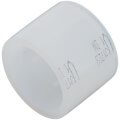
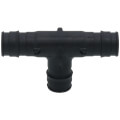
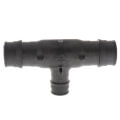

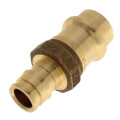
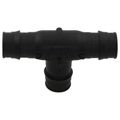


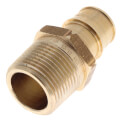

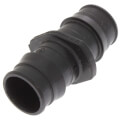
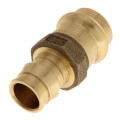
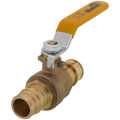

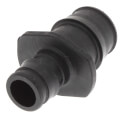

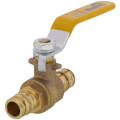
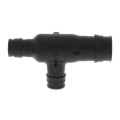


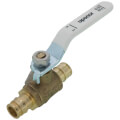
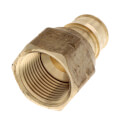
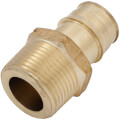
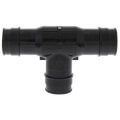


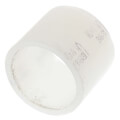
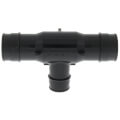
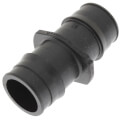
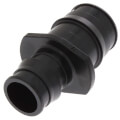
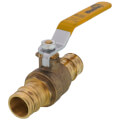
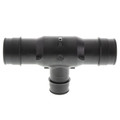


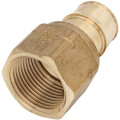


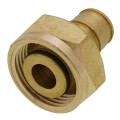
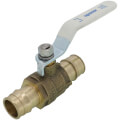
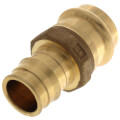

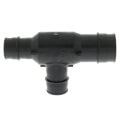


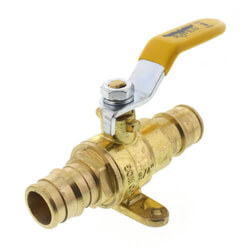
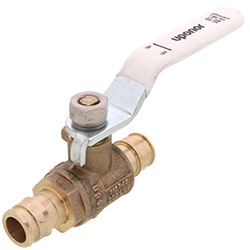
Uponor ProPEX Expander Fittings create a cold-expansion connection between PEX-a tubing and a fitting, using the pipe's own elastomeric memory to shrink back around the fitting after it is expanded and inserted. The system meets ASTM F1960, the PEX expansion connection standard Uponor originally developed, and Uponor notes that competing fittings claiming F1960 compliance are not always tested and listed to the standard the same way. Because the connection method relies on cold expansion rather than heat, glue, or crimp rings, the job skips torches, solvent cure time, and a separate crimping step once the pipe has been expanded. Backed by a 25-year transferable limited warranty covering the PEX-a pipe and ProPEX connection system, the method is approved for installation behind finished walls, in soil, and embedded in concrete. Approval for those conditions makes ProPEX fittings a common choice for radiant heat, domestic water, and fire safety piping, where a joint has to perform for decades without any way to inspect it visually after rough-in.
Subcategories
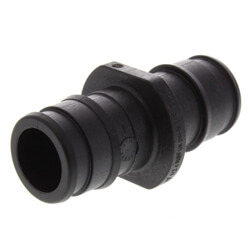
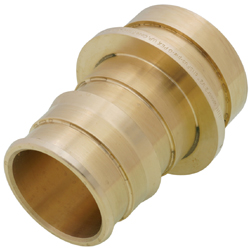
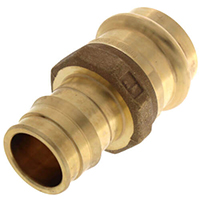
- ProPEX Couplings: Couplings join two lengths of PEX-a tubing in a straight run, used to extend a pipe run or repair a section without re-running the whole line. Like the rest of the ProPEX line, couplings use the ASTM F1960 cold-expansion method and carry the same 25-year transferable limited warranty when installed to specification. Plumbers reach for couplings most often on repair calls where cutting out a damaged section is faster than replacing an entire run. No torch or solvent is needed to complete the joint.
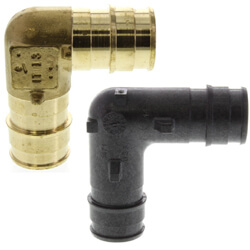
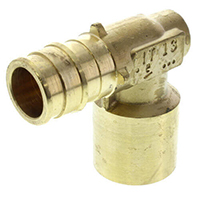
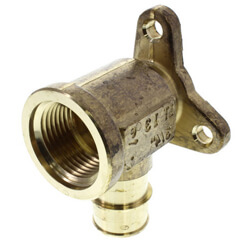
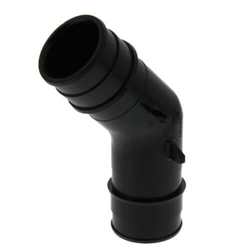
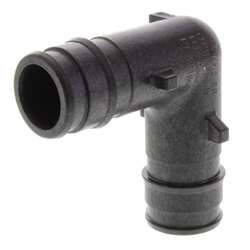
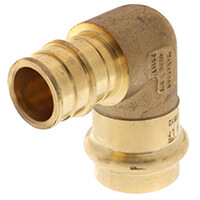
- ProPEX Elbows: Elbows change the direction of a PEX-a run, typically 90 degrees, and show up most often at stub-outs behind fixtures and at manifold connections. They are made to the same ASTM F1960 cold-expansion standard as the rest of the line, so the same expansion tools and installation skills carry over from straight fittings. Contractors use elbows to route pipe around framing without kinking the tubing. Coverage under the 25-year transferable limited warranty applies here as it does across the ProPEX system.
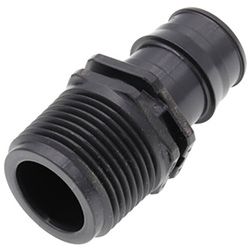
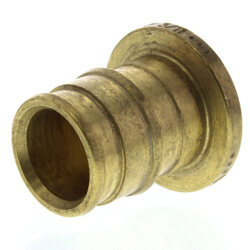
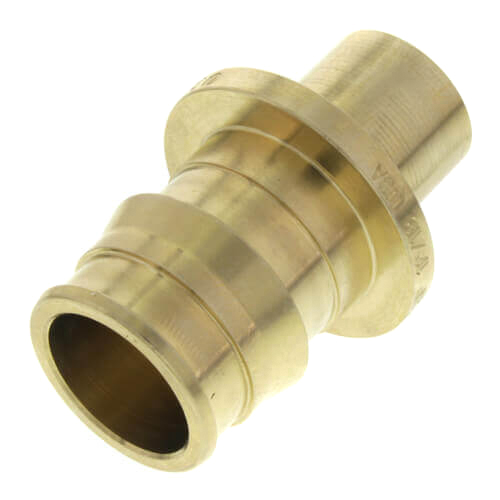
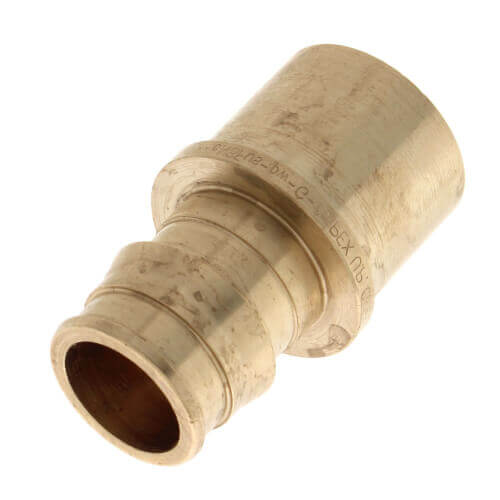
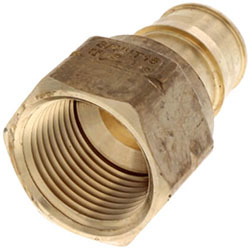
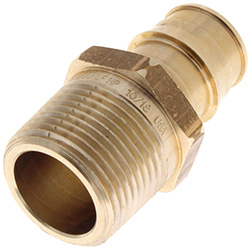
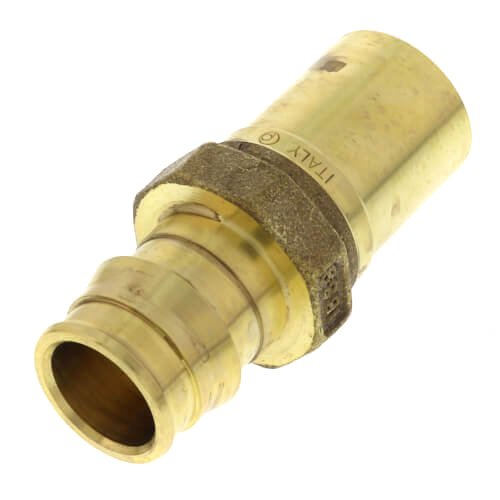
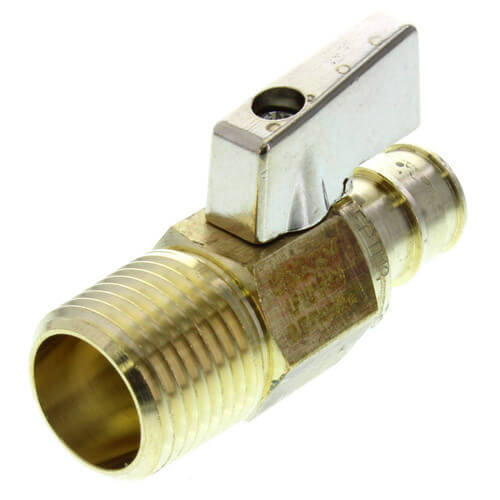
- ProPEX Adapters: Adapters transition PEX-a tubing to threaded, copper, or other pipe materials at points like water heaters, valves, and fixture connections where the rest of the system is not PEX. The PEX-a side of the adapter still uses the standard ASTM F1960 cold-expansion method, while the opposite end threads or sweats to match the connecting material. The adapters see the most use at the boundary between a PEX-a manifold system and fixtures that require a different connection type. Confirming thread type and size before ordering avoids a mismatch at the fixture.
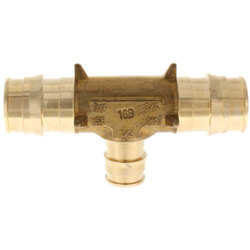
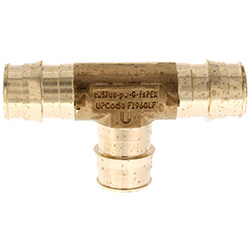
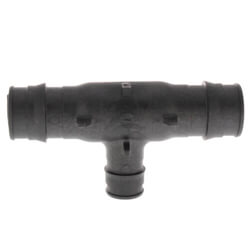
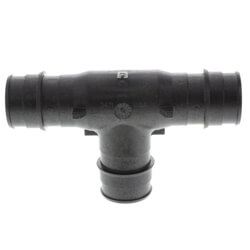
- ProPEX Tees: Tees split a single PEX-a run into two branches, used at manifold takeoffs and fixture branch lines. Installation uses the same cold-expansion tool and ring system covered under ASTM F1960 as the rest of the ProPEX line. Radiant heat installers use tees frequently when branching a single supply line into multiple loop zones. Like couplings and elbows, tees carry the 25-year transferable limited warranty when installed with the correct expansion tool and ring.
Buying Guide
Choosing the right fitting starts with matching pipe size and type exactly, since ProPEX expander heads and rings are sized to specific PEX-a diameters and are not interchangeable across pipe types from other manufacturers. Confirming the tubing on the job is genuine PEX-a, rather than PEX-b or PEX-c, matters because the cold-expansion method depends on the elastomeric memory unique to PEX-a. Next, match the fitting body material to the application: brass fittings handle most potable water and radiant applications, while engineered polymer fittings are common where corrosion resistance or lower cost is the priority. Uponor ProPEX Expander Fittings all rely on the same expansion tool system, so a shop running multiple pipe sizes on one job needs expander heads sized to each diameter in use, whether that is a manual ratchet tool or a battery-powered expander. Tool compatibility is worth double-checking, since expander heads are sized in fractions of an inch and a mismatched head will not properly expand the ring and pipe. For concealed applications, behind a finished wall, under a slab, or embedded in concrete, confirming the fitting and installation method are both rated for that condition avoids a costly rework later, since these connections are not meant to be serviced after cover-up. Finally, factor in the number of fittings needed per run, since cold-expansion joints do not add the same fitting-count concerns as solvent-weld or crimp systems, though expansion rings remain a per-joint consumable to include on the material list.
Frequently Asked Questions
What's the difference between PEX-a and other PEX types for use with ProPEX fittings?
ProPEX fittings rely on the cold-expansion method, which depends on PEX-a's elastomeric memory to shrink the tubing back around the fitting after expansion. PEX-b and PEX-c tubing do not have the same memory characteristics and are not rated for the ProPEX expansion system. Confirming pipe type before ordering fittings avoids a connection that will not seal correctly.
Do ProPEX fittings need special tools to install?
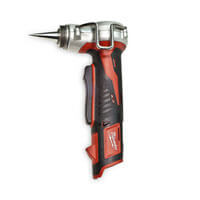
Installing ProPEX fittings requires an expander tool sized to match the pipe diameter, along with the corresponding expansion ring placed over the pipe end before expansion. Tools range from manual ratchet expanders to battery-powered models, but all use the same cold-expansion principle. No torch, solvent, or crimping tool is needed once the pipe and ring are expanded and the fitting is inserted.
Are ProPEX connections approved for use behind walls or under a slab?
Uponor rates the ProPEX cold-expansion method for installation behind finished walls, in soil, and embedded in concrete. Because these connections cannot be visually inspected once covered, confirming correct expansion and full ring engagement during installation matters more than on an exposed run. The connection is designed to perform for the life of the system without maintenance access.
What warranty coverage applies to ProPEX fittings and pipe?
Uponor backs the PEX-a pipe and ProPEX connection system with a 25-year transferable limited warranty when installed according to specification. Warranty coverage transfers with the property, which matters on jobs where the original owner may not be the one filing a claim years later. Following the specified expansion tool, ring, and pipe combination keeps the warranty intact.
Can ProPEX fittings connect PEX-a tubing to copper or threaded pipe?
ProPEX adapters transition PEX-a tubing to threaded, copper, or other pipe materials at points like water heaters, valves, and fixture connections. The PEX-a side of the adapter still uses the standard cold-expansion method, while the opposite end threads, sweats, or otherwise matches the connecting material. The adapters see the most use at the boundary between a PEX-a manifold system and fixtures that require a different connection type.
