




Filters
SORT
Product Availability –
Product Type –
Voltage –
Position –
Used With –
Review Score –
 --%3E %3Csvg version='1.1' id='Fill' xmlns='http://www.w3.org/2000/svg' xmlns:xlink='http://www.w3.org/1999/xlink' x='0px' y='0px' viewBox='0 0 100 100' enable-background='new 0 0 100 100' xml:space='preserve'%3E %3Cpath fill='%23F15C02' d='M79.44,0.95H20.56C9.78,0.95,0.95,9.78,0.95,20.56v58.87c0,10.79,8.82,19.61,19.61,19.61h58.87 c10.79,0,19.61-8.83,19.61-19.61V20.56C99.05,9.78,90.22,0.95,79.44,0.95z M65.38,58.24l9.38,29.58L49.69,69.78L24.5,87.82 l9.34-29.6L8.8,39.6l30.73-0.17c0,0,6.98-19.61,10-28.93c0.54,1.36,9.88,29.1,9.88,29.1H91.2L65.38,58.24z'/%3E %3C/svg%3E)
 --%3E %3Csvg version='1.1' id='With-RB' xmlns='http://www.w3.org/2000/svg' xmlns:xlink='http://www.w3.org/1999/xlink' x='0px' y='0px' viewBox='0 0 100 100' enable-background='new 0 0 100 100' xml:space='preserve'%3E %3Cpath fill='%23FBC8B4' d='M79.44,0.95H20.56C9.78,0.95,0.95,9.78,0.95,20.56v58.87c0,10.79,8.82,19.61,19.61,19.61h58.87 c10.79,0,19.61-8.83,19.61-19.61V20.56C99.05,9.78,90.22,0.95,79.44,0.95z M65.38,58.24l9.38,29.58L49.69,69.78L24.5,87.82 l9.34-29.6L8.8,39.6l30.73-0.17c0,0,6.98-19.61,10-28.93c0.54,1.36,9.88,29.1,9.88,29.1H91.2L65.38,58.24z'/%3E %3C/svg%3E)
Price Range –
Zone Valve Parts & Accessories





 --%3E %3Csvg version='1.1' id='Half' xmlns='http://www.w3.org/2000/svg' xmlns:xlink='http://www.w3.org/1999/xlink' x='0px' y='0px' viewBox='0 0 100 100' enable-background='new 0 0 100 100' xml:space='preserve'%3E %3Cg%3E %3Cpath fill='%23F15C02' d='M30.05,70.23l3.79-12.01L8.8,39.6l30.73-0.17c0,0,6.98-19.61,10-28.93c0.54,1.36,9.88,29.1,9.88,29.1h1.58 L93.71,7.18c-3.58-3.82-8.66-6.23-14.28-6.23H20.56C9.78,0.95,0.95,9.78,0.95,20.56v58.87c0,5.41,2.22,10.32,5.79,13.88 L30.05,70.23z'/%3E %3C/g%3E %3Cpath fill='%23FBC8B4' d='M93.71,7.18L60.98,39.6H91.2L65.38,58.24l9.38,29.58L49.69,69.78L24.5,87.82l5.55-17.59L6.75,93.32 c3.55,3.54,8.44,5.73,13.82,5.73h58.87c10.79,0,19.61-8.83,19.61-19.61V20.56C99.05,15.4,97.01,10.69,93.71,7.18z'/%3E %3C/svg%3E)



 --%3E %3Csvg version='1.1' id='No-RB' xmlns='http://www.w3.org/2000/svg' xmlns:xlink='http://www.w3.org/1999/xlink' x='0px' y='0px' viewBox='0 0 100 100' enable-background='new 0 0 100 100' xml:space='preserve'%3E %3Cpath fill='%23CECECE' d='M79.44,0.95H20.56C9.78,0.95,0.95,9.78,0.95,20.56v58.87c0,10.79,8.82,19.61,19.61,19.61h58.87 c10.79,0,19.61-8.83,19.61-19.61V20.56C99.05,9.78,90.22,0.95,79.44,0.95z M65.38,58.24l9.38,29.58L49.69,69.78L24.5,87.82 l9.34-29.6L8.8,39.6l30.73-0.17c0,0,6.98-19.61,10-28.93c0.54,1.36,9.88,29.1,9.88,29.1H91.2L65.38,58.24z'/%3E %3C/svg%3E)



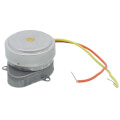
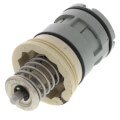


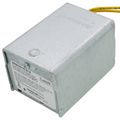

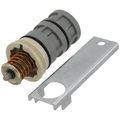
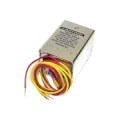
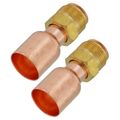
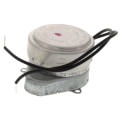
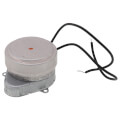
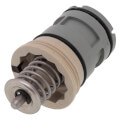

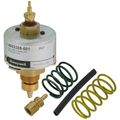
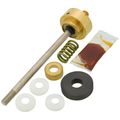


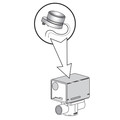
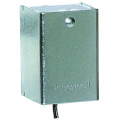

Zone valve parts and accessories are the individual actuators, end switches, valve bodies, and wiring components that keep multi-zone hydronic heating systems running after the original zone valve wears out. Contractors servicing residential and light commercial boiler systems replace these components instead of swapping an entire zone valve assembly, which cuts labor time and keeps repair costs down for the homeowner. A typical zone valve actuator opens and closes the valve body in response to a call for heat from the zone thermostat, while the end switch signals the boiler or circulator to fire once the valve reaches its open position. Because zone valve designs vary by manufacturer and even by product generation within the same brand, matching the replacement actuator or valve body to the existing system is critical, and mismatched threads or voltage ratings are a common source of callbacks. Stocking common actuator and end switch models for major hydronic brands lets a technician finish a no-heat call in a single visit.
Subcategories
- Zone Valve Actuators & Motors: Actuators are the powerhead component that drives the valve body open and closed in response to a thermostat call. Residential technicians replace these most often since the internal motor and gear train wear out well before the valve body itself. Most actuators mount to the valve body with a twist-lock or screw-on connection, so matching the mounting style to the existing valve is more important than matching the brand name. Replacing only the actuator instead of the full valve and body assembly keeps the job simple and the piping undisturbed.
- End Switches: An end switch is the electrical contact inside the actuator that closes once the valve reaches full open position, telling the boiler or circulator pump to start. A failed end switch often looks identical to a bad thermostat or a dead circulator, so technicians test it directly before condemning other components. Replacement end switches are sold both as standalone parts and bundled into actuator assemblies. Confirming the switch rating matches the zone control panel's voltage prevents nuisance callbacks.
- Valve Bodies & Repair Kits: The valve body is the brass or bronze housing that the water flows through, and it can fail independently of the actuator through a stuck ball, worn seat, or mineral buildup. Repair kits let a plumber rebuild an existing valve body in place rather than cutting it out of the piping run, which saves time on finished installations. These kits typically include the internal ball or disc, seals, and springs needed to restore full shutoff. Matching pipe size and end connection type is the first thing to check before ordering a kit.
- Wiring Harnesses & Connectors: Wiring harnesses and quick-connect terminals link the zone valve actuator to the thermostat and boiler control panel, and they're a common failure point on older systems where insulation cracks or connectors corrode. Replacing a harness is often faster and cheaper than chasing an intermittent wiring fault wire by wire. Pre-terminated harnesses matched to a specific actuator model eliminate splicing errors in the field. Keeping a few universal harnesses on the truck covers most emergency no-heat calls.
Buying Guide
The fastest way to source zone valve parts and accessories is to identify the existing valve's manufacturer and model before ordering anything, since actuators, end switches, and valve bodies are rarely interchangeable across brands. Start by checking the actuator housing or valve body for a stamped model number; if it's worn away, the pipe size, mounting style, and voltage rating narrow the search enough to find a compatible replacement. For a system with multiple zones on the same boiler, replacing one failed actuator with the same model already used elsewhere on the job keeps spare parts consistent for future service calls. When the valve body itself is leaking or won't seat fully, a repair kit resolves most issues without repiping, but a valve body with visible corrosion or a cracked housing needs full replacement instead of a rebuild. Voltage compatibility matters just as much as physical fit: a 24-volt actuator won't work on a line-voltage zone control panel, and swapping in the wrong one can damage the control board. Shopping this category of Zone Valve Parts & Accessories by manufacturer first, then by component type, is more reliable than searching by generic part description alone, since naming conventions differ across brands like Taco, Honeywell, and White-Rodgers. Buying a spare actuator or end switch after a repair, rather than only after a failure, avoids a return trip when the original zone valve inevitably needs the same fix again.
Frequently Asked Questions
How do I know if a zone valve actuator or the valve body itself is bad?
Listen and feel for movement first: if the actuator hums but the valve lever doesn't rotate, the motor or gear train inside the actuator has failed. If the actuator moves the lever fully but the zone still doesn't get hot water, the valve body's internal ball or disc is likely stuck or worn. Pulling the actuator off the valve body lets a technician confirm which half of the assembly is at fault before ordering parts.
Can I replace just the end switch without swapping the whole actuator?
On most residential zone valves, yes, the end switch is a separate serviceable component that unclips or unscrews from the actuator housing. Some manufacturers only sell the end switch bundled with the full actuator, so it's worth checking part availability before disassembling the unit. Either way, matching the switch's voltage and current rating to the control panel is required for it to work correctly.
Do I need to shut off the whole heating system to replace a zone valve actuator?
Not usually. Most actuators detach from the valve body without draining the system, since the valve body stays closed and in place during the swap. The zone being serviced will lose heat during the repair, but the rest of the system and other zones can keep running.
Are zone valve parts interchangeable between brands like Taco, Honeywell, and White-Rodgers?
Rarely. Mounting styles, voltage ratings, and control wiring differ enough between manufacturers that a part built for one brand's valve body typically won't fit or function correctly on another. Confirming the brand and model stamped on the existing valve before ordering saves a second trip for the correct part.
What causes a zone valve to fail most often, the actuator or the valve body?
The actuator fails more frequently since it contains the motor, gears, and end switch that see constant use with every heating cycle. The valve body tends to last much longer unless mineral buildup or debris in the water causes the internal ball or disc to stick. Replacing a worn actuator alone resolves the majority of no-heat calls tied to zone valves.
