




Filters
SORT
Product Availability –
Energy Factor –
1st Hour Delivery (Gallons) –
Intended Household –
Capacity (Gallons) –
Review Score –
 --%3E %3Csvg version='1.1' id='Fill' xmlns='http://www.w3.org/2000/svg' xmlns:xlink='http://www.w3.org/1999/xlink' x='0px' y='0px' viewBox='0 0 100 100' enable-background='new 0 0 100 100' xml:space='preserve'%3E %3Cpath fill='%23F15C02' d='M79.44,0.95H20.56C9.78,0.95,0.95,9.78,0.95,20.56v58.87c0,10.79,8.82,19.61,19.61,19.61h58.87 c10.79,0,19.61-8.83,19.61-19.61V20.56C99.05,9.78,90.22,0.95,79.44,0.95z M65.38,58.24l9.38,29.58L49.69,69.78L24.5,87.82 l9.34-29.6L8.8,39.6l30.73-0.17c0,0,6.98-19.61,10-28.93c0.54,1.36,9.88,29.1,9.88,29.1H91.2L65.38,58.24z'/%3E %3C/svg%3E)
 --%3E %3Csvg version='1.1' id='With-RB' xmlns='http://www.w3.org/2000/svg' xmlns:xlink='http://www.w3.org/1999/xlink' x='0px' y='0px' viewBox='0 0 100 100' enable-background='new 0 0 100 100' xml:space='preserve'%3E %3Cpath fill='%23FBC8B4' d='M79.44,0.95H20.56C9.78,0.95,0.95,9.78,0.95,20.56v58.87c0,10.79,8.82,19.61,19.61,19.61h58.87 c10.79,0,19.61-8.83,19.61-19.61V20.56C99.05,9.78,90.22,0.95,79.44,0.95z M65.38,58.24l9.38,29.58L49.69,69.78L24.5,87.82 l9.34-29.6L8.8,39.6l30.73-0.17c0,0,6.98-19.61,10-28.93c0.54,1.36,9.88,29.1,9.88,29.1H91.2L65.38,58.24z'/%3E %3C/svg%3E)
Price Range –
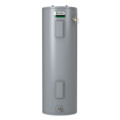
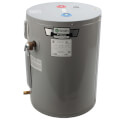
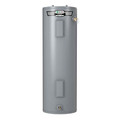
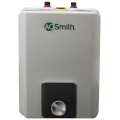
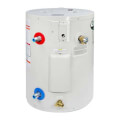
AO Smith Electric Water Heaters



 --%3E %3Csvg version='1.1' id='Half' xmlns='http://www.w3.org/2000/svg' xmlns:xlink='http://www.w3.org/1999/xlink' x='0px' y='0px' viewBox='0 0 100 100' enable-background='new 0 0 100 100' xml:space='preserve'%3E %3Cg%3E %3Cpath fill='%23F15C02' d='M30.05,70.23l3.79-12.01L8.8,39.6l30.73-0.17c0,0,6.98-19.61,10-28.93c0.54,1.36,9.88,29.1,9.88,29.1h1.58 L93.71,7.18c-3.58-3.82-8.66-6.23-14.28-6.23H20.56C9.78,0.95,0.95,9.78,0.95,20.56v58.87c0,5.41,2.22,10.32,5.79,13.88 L30.05,70.23z'/%3E %3C/g%3E %3Cpath fill='%23FBC8B4' d='M93.71,7.18L60.98,39.6H91.2L65.38,58.24l9.38,29.58L49.69,69.78L24.5,87.82l5.55-17.59L6.75,93.32 c3.55,3.54,8.44,5.73,13.82,5.73h58.87c10.79,0,19.61-8.83,19.61-19.61V20.56C99.05,15.4,97.01,10.69,93.71,7.18z'/%3E %3C/svg%3E)


 --%3E %3Csvg version='1.1' id='No-RB' xmlns='http://www.w3.org/2000/svg' xmlns:xlink='http://www.w3.org/1999/xlink' x='0px' y='0px' viewBox='0 0 100 100' enable-background='new 0 0 100 100' xml:space='preserve'%3E %3Cpath fill='%23CECECE' d='M79.44,0.95H20.56C9.78,0.95,0.95,9.78,0.95,20.56v58.87c0,10.79,8.82,19.61,19.61,19.61h58.87 c10.79,0,19.61-8.83,19.61-19.61V20.56C99.05,9.78,90.22,0.95,79.44,0.95z M65.38,58.24l9.38,29.58L49.69,69.78L24.5,87.82 l9.34-29.6L8.8,39.6l30.73-0.17c0,0,6.98-19.61,10-28.93c0.54,1.36,9.88,29.1,9.88,29.1H91.2L65.38,58.24z'/%3E %3C/svg%3E)
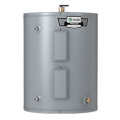
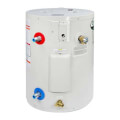

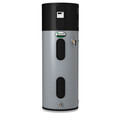
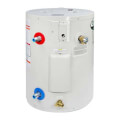
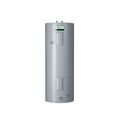
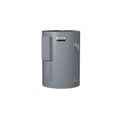
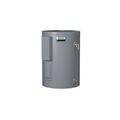

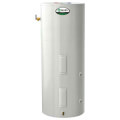
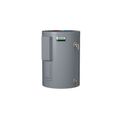
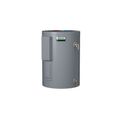
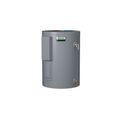
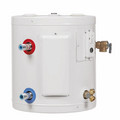
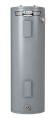


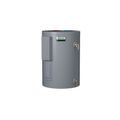


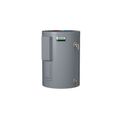

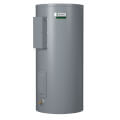

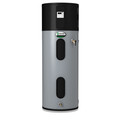
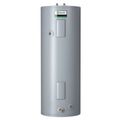
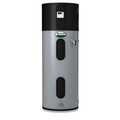
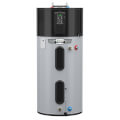
AO Smith electric water heaters cover residential and commercial tank-style units that heat water using electric resistance elements instead of a gas burner, making them a common choice anywhere gas service isn't available or where an electric-only installation is preferred. Plumbers and contractors specify electric tank water heaters in apartments, condos, and homes without gas lines, as well as in commercial settings where electric infrastructure already exists and adding gas piping would add unnecessary cost. These units range from smaller point-of-use tanks for a single fixture to larger residential and light commercial tanks sized to cover an entire building's hot water demand. Because electric water heaters don't need venting for combustion byproducts, installation is often simpler than a gas alternative, which matters on retrofit jobs where running a new flue isn't practical. Matching tank size and recovery rate to the building's actual hot water usage is what keeps a system from running short during peak demand.
Subcategories
- Standard Residential Tank Water Heaters: Standard residential electric tank water heaters cover the typical range of household hot water demand, from smaller households to larger families needing more recovery capacity. Plumbers select tank size based on the number of bathrooms and fixtures the unit needs to serve along with expected peak usage times. These are the most commonly replaced water heater type in homes without gas service.
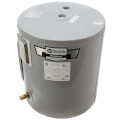
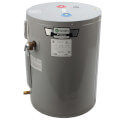
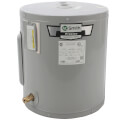
- Compact and Point-of-Use Water Heaters: Compact and point-of-use electric water heaters serve a single fixture or a small area where running a line back to a central water heater isn't practical, such as a remote bathroom, bar sink, or utility closet. Contractors specify these when the fixture is far from the main water heater or when space for a full-size tank isn't available. Smaller tank sizes mean faster recovery for light, intermittent use.
- Commercial Electric Water Heaters: Commercial electric water heaters are built for higher-demand applications like multi-unit residential buildings, restaurants, and light industrial facilities where hot water usage is heavier and more constant than a typical household. Facility managers and mechanical contractors size these against simultaneous demand across multiple fixtures rather than a single household's peak usage. Higher wattage heating elements and larger tank capacities are standard in this category.
- Replacement Parts and Accessories: Replacement parts and accessories keep an installed electric water heater running through its service life, including heating elements, thermostats, anode rods, and drain valves. Plumbers stock these as some of the most common service parts for extending a tank's life or restoring hot water output after an element failure. Keeping the correct element wattage and thermostat type on hand avoids a second trip on a service call.
Buying Guide
Sizing an electric water heater starts with the number of fixtures and occupants it needs to serve, along with peak simultaneous demand rather than just average daily usage. A household that regularly runs a shower and a dishwasher at the same time needs more recovery capacity than the same size household with staggered usage.
Recovery rate matters as much as tank capacity, since electric elements recover more slowly than a gas burner. A smaller tank with strong recovery can sometimes outperform a larger tank with weak recovery, so checking the heater's recovery rate against expected peak demand is worth the extra step.
Available electrical capacity should be confirmed before selecting a unit, since larger tanks and higher-wattage elements require adequate circuit capacity. This is especially important in older buildings being retrofit from gas to electric, where the existing electrical panel may need upgrading to support the new load.
Space and clearance requirements differ from gas units, since electric water heaters don't need venting but still require clearance for service access and, in some cases, a drain pan depending on the installation location.
For commercial or multi-unit buildings, comparing a single large-capacity unit against multiple smaller units feeding different zones is worth doing at the planning stage, since redundancy and simultaneous demand across the building both factor into which approach performs better long term.
Frequently Asked Questions
When should I choose an electric water heater over a gas model?
Electric water heaters make sense where gas service isn't available, where adding gas piping would add significant cost, or where a building's electrical infrastructure already supports the load without additional venting requirements.
How do I size an electric water heater for a home?
Sizing depends on the number of fixtures and occupants, along with peak simultaneous demand such as running a shower and a dishwasher at the same time, not just average daily hot water usage.
Why does recovery rate matter on an electric water heater?
Electric heating elements recover more slowly than a gas burner, so a unit's recovery rate needs to be checked against expected peak demand rather than relying on tank capacity alone.
Do I need to upgrade my electrical panel to install a larger electric water heater?
It depends on the existing panel's available capacity. Larger tanks and higher-wattage elements require adequate circuit capacity, which is worth confirming before selecting a unit, especially in older buildings.
What parts commonly need replacement on an electric water heater?
Heating elements, thermostats, anode rods, and drain valves are the most frequently replaced service parts on an electric tank water heater over its service life.
