




Channellock


 --%3E %3Csvg version='1.1' id='Fill' xmlns='http://www.w3.org/2000/svg' xmlns:xlink='http://www.w3.org/1999/xlink' x='0px' y='0px' viewBox='0 0 100 100' enable-background='new 0 0 100 100' xml:space='preserve'%3E %3Cpath fill='%23F15C02' d='M79.44,0.95H20.56C9.78,0.95,0.95,9.78,0.95,20.56v58.87c0,10.79,8.82,19.61,19.61,19.61h58.87 c10.79,0,19.61-8.83,19.61-19.61V20.56C99.05,9.78,90.22,0.95,79.44,0.95z M65.38,58.24l9.38,29.58L49.69,69.78L24.5,87.82 l9.34-29.6L8.8,39.6l30.73-0.17c0,0,6.98-19.61,10-28.93c0.54,1.36,9.88,29.1,9.88,29.1H91.2L65.38,58.24z'/%3E %3C/svg%3E)

 --%3E %3Csvg version='1.1' id='No-RB' xmlns='http://www.w3.org/2000/svg' xmlns:xlink='http://www.w3.org/1999/xlink' x='0px' y='0px' viewBox='0 0 100 100' enable-background='new 0 0 100 100' xml:space='preserve'%3E %3Cpath fill='%23CECECE' d='M79.44,0.95H20.56C9.78,0.95,0.95,9.78,0.95,20.56v58.87c0,10.79,8.82,19.61,19.61,19.61h58.87 c10.79,0,19.61-8.83,19.61-19.61V20.56C99.05,9.78,90.22,0.95,79.44,0.95z M65.38,58.24l9.38,29.58L49.69,69.78L24.5,87.82 l9.34-29.6L8.8,39.6l30.73-0.17c0,0,6.98-19.61,10-28.93c0.54,1.36,9.88,29.1,9.88,29.1H91.2L65.38,58.24z'/%3E %3C/svg%3E)
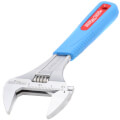
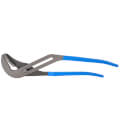
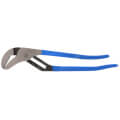
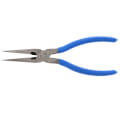
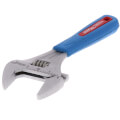

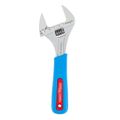
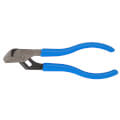
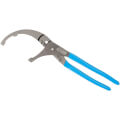
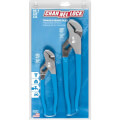
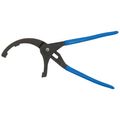
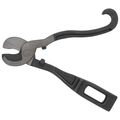
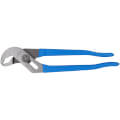
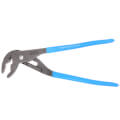
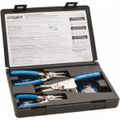
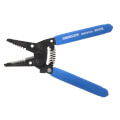
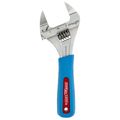
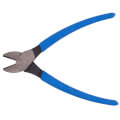
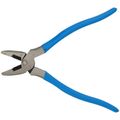
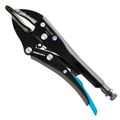
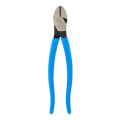
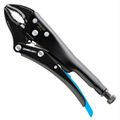
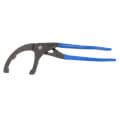
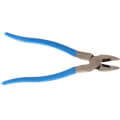
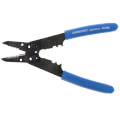
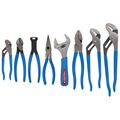

Channellock traces its roots to 1886, when blacksmith George B. DeArment began hand-forging farrier's tools in Evansburg, Pennsylvania and selling them from the back of a wagon. The company moved to Meadville, Pennsylvania in 1904, where it remains headquartered today across two manufacturing facilities.
Still family owned and now run by the fifth generation of the DeArment family, Channellock built its name on the tongue-and-groove slip-joint pliers developed by chief engineer Howard Manning in 1933 and patented in 1934, with the Channellock trademark registered in 1949.
Product Lines
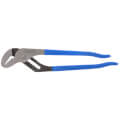
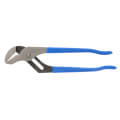
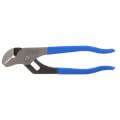
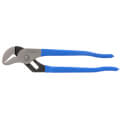
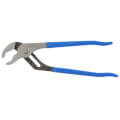
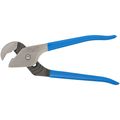
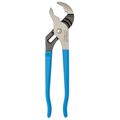
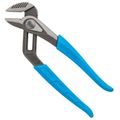
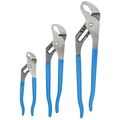
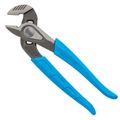
Tongue-and-groove pliers remain the core of the Channellock catalog, offered across dozens of sizes and jaw configurations, including straight jaw and SpeedGrip models with laser-hardened teeth for a faster, more secure grip.
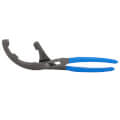
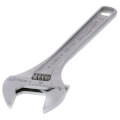
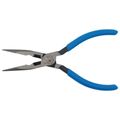
The broader hand tool line includes diagonal and long nose cutting pliers built with XLT cutting geometry that positions the pivot closer to the cutting edge to reduce the force needed to cut, along with slip joint pliers, wrenches, and other pliers used across plumbing, electrical, and general trade work. Channellock manufactures its pliers domestically from high carbon steel with a rust-resistant coating.
Why Contractors Specify Channellock
Tradespeople who rely on pliers daily tend to wear through cheaper tools quickly, which is part of why Channellock's high carbon steel construction and reinforced pivot design have held a place in plumbers' and electricians' tool bags for decades.
The PERMALOCK fastener used across the tongue-and-groove line addresses a common complaint with slip-joint pliers, loosening at the rivet or bolt over repeated use, by locking that connection in place. Domestic manufacturing out of Meadville also gives contractors a traceable, US-made option when a job or employer specifies domestic tools.
How to Choose Channellock Products
Jaw size and tongue-and-groove adjustment range should match the diameter of fittings and pipe most commonly worked on, since a plier sized for large diameter waste lines will be awkward on small supply line fittings and vice versa.
Straight jaw pliers suit general gripping and turning, while SpeedGrip models are worth considering for repetitive gripping tasks where the self-adjusting, laser-hardened teeth speed up the work. For cutting applications, XLT diagonal cutters reduce the hand fatigue that comes from repeated cutting through a shift, which matters for electricians running and trimming wire all day. Replacing pliers when the pivot develops play or the teeth round off preserves both grip and the leverage the tool was designed to provide.
Frequently Asked Questions
What size Channellock tongue-and-groove pliers should a plumber carry?
Most plumbers carry a range of sizes, commonly a 9.5 inch to 12 inch plier for general fitting work and a larger 16.5 inch model for bigger diameter waste and supply lines, adjusting based on the fitting sizes typical of the jobs being run.
What does the PERMALOCK fastener do on Channellock pliers?
PERMALOCK locks the rivet and nut connection at the pivot point, addressing the loosening that can occur on slip-joint style pliers after repeated heavy use.
Are Channellock pliers made in the United States?
Channellock manufactures its pliers domestically at its facilities in Meadville, Pennsylvania, using high carbon steel with a rust-resistant coating.
What is the difference between straight jaw and SpeedGrip pliers?
Straight jaw pliers offer a traditional tongue-and-groove grip, while SpeedGrip models use laser-hardened, angled teeth designed to self-grip more quickly on repetitive tasks.
What makes XLT cutting pliers different from standard diagonal cutters?
XLT cutting technology positions the pivot closer to the cutting edge, which reduces the hand force needed to cut compared to standard high-leverage diagonal cutter designs.
